When we hear ‘nesting’ and ‘insects’ in the same sentence, probably the first thing we all think about is the impressive structures built by social insects like termites, ants, bees and wasps. So let’s start there.
A termite nest, or termitarium, is an entire engineered civilization built from dirt, chewed wood and spit. Termitaria can tower several meters above-ground, while the underground foraging tunnels of a mature colony can radiate for 50 to 100 meters and down to depths of 6 to 7 meters to access moisture.
Termite nests are complicated, climate-controlled fortresses, with all the amenities needed for survival…
EASTER Action is very excited to welcome Siziwe Hlongwa to our team! Siziwe is an environmental educator and sustainability practitioner, with wonderful experience working with the youth, and we feel privileged to have someone of her calibre and passion contributing to our mission.
Siziwe is passionate about youth development, environmental stewardship, and community empowerment. She has experience delivering and coordinating environmental education programmes, previously serving with WESSA as an Environmental & Sustainability Educator and Project Coordinator within the UMbogavango Environmental Education Programme. During this time, she also chaired the WESSA youth committee and worked closely with young people to develop environmental leadership and community-based sustainability initiatives.
Her practical experience ranges from guiding marine education at uShaka Sea World (Marine Education), facilitating plant biodiversity sessions at the Durban Botanic Gardens, and environmental education at the Durban Natural Science Museum. This hands-on history of connecting people with nature is exactly what we value at EASTER Action.
Siziwe holds a BSc Environmental Science from University of KwaZulu-Natal and is currently studying further towards a Postgraduate Diploma in Sustainable Development at Stellenbosch University. Her academic background, combined with her training in environmental journalism, gives her a unique ability to bridge the gap between scientific research and community storytelling. She is especially dedicated to the idea of a just energy transition and finding sustainable solutions that work for South African communities.
We believe Siziwe will help EASTER Action grow into a fully-fledged NPO with a strong footprint and an excellent reputation in the environmental education sector. While she is joining us in a flexible, part-time capacity for now, we see her transitioning to a long-term role as we expand our activities together. We also hope that EASTER Action will be a meaningful step in her career, in line with her passion and giftings.
Her energy and ‘can-do’ spirit are a perfect match for our vision of a more resilient and equitable future.
Welcome to the team, Siziwe! We are so happy to have you with us.
With arbour week coming up, this is the perfect time to share the fourth and final instalment on the temporary insect exhibition, which went up at the Durban Natural Science Museum back during the COVID pandemic.
The message is (spoiler alert): It’s all about plants!
This last article will cover the last major role of insects: being food for others. Then we ask: if insects are so important for the survival of nature as a whole, what do insects need to survive? How important are insects in nature, as a sum total of all the roles they play? And what is our role in all of this?
We recently completed another round of workshops with Grade 10 learners, following the first round in March, in partnership with Umkhumbane Schools Project in Cato Manor, Durban. Two WESSA youth educators joined us this time, hopefully we’ll work together in future.
Since the last workshop series in March was a while ago, we started with a refresher exercise. Instead of me (the facilitator) doing the talking, we split up the learners into small groups, and gave each group a print-out of one of the videos we watched previously, to refresh their memories.
The learners then presented the slides to the larger group and gave brief summaries of anything they had remembered. I reminded them that this was not school and that there was no evaluation, that they should not feel pressured or stressed, but just quickly walk us all through some of the highlights. This was a fun and highly entertaining, the learners were very enthusiastic.
Learners refreshing their memories
Learners presenting a summary from the last workshop
Unit 7 “What does climate change look like”?
The video for this unit shows the many faces of climate change – changes in the weather, changes on land and in the oceans, changes in the frozen parts of the world, sea level rise. We all felt a bit depressed at the end. But everyone agreed when I said, “These things are happening anyway, whether we are aware of it or not. Myself, I prefer not to be ignorant of what is going on. I would rather know, because then I maybe do something about it, and also then I can adapt my life and not get caught by surprise.”
We then carried out two simple experiments about sea level rise caused by melting glaciers and warming oceans, and one about ocean acidification and the effect on calcium carbonate solubility.
Do melting sea ice and land ice both cause a rise in sea level? Marking the ‘sea level’.
Demonstrating that hot water takes up more space than cold water.
Do sea shells dissolve in acidic water? Checking the pH.
Unit 8 “Why should I care? How does climate change affect me?”
On the first day the learners went home with a questionnaire, to interview an older person in their household. They asked about any changes or disasters they had experienced during their lifetime.
On the second day, learners interviewed each other, in a mock TV show, talking about their family’s – or their own – experiences and opinions. “Who has family or friends who may not have heard about climate change? What could you say to them? How would you explain climate change to your granny?” I was blown away with the confidence and enthusiasm with which the learners threw themselves into this activity.
The results speak for themselves. Enjoy!
The Unit 8 video covers the many ways that climate change affects us as humans – our food systems, health and wellbeing, the economy – and how it can cause poverty, displacement and conflict. It explains how we depend on nature and how climate change threatens our entire society, often in complex ways.
While watching the video, learners listened out for facts that might answer the question: “Why did the Nobel Prize for Peace get awarded to people who spread knowledge about climate change? How could climate change disturb the peace, between individuals, communities or countries?”
Learners paired up to discuss this question, we collected ideas from the floor and discussed them in the big group. Responses included: communities or countries fight over scarce resources, such as food, wood or water; people fight with their governments over policies or unfair food allocations; activists fight with law enforcement; ‘false activists’ turn environmental causes into terrorism. Another two short videos, by international peace organizations, rounded off this section.
The learners’ responses were very insightful and thought-provoking.
Unit 11 “What can I do about climate change?”
Finally we get to the most important part: action. The interactive video highlights the top priorities, based on where the most greenhouse gases come from, and where action would therefore have the greatest ‘bang for buck’. It also talks about climate justice, an important topic for young people living in underprivileged conditions.
Unit 13 “Electricity”
The third day was devoted to the top action area: energy – more specifically, electricity. We started with a game called ‘Circuit Breaker’, where we passed ‘electrons’ from a ‘battery’ around a ‘circuit’. One person was the ‘switch’, another the ‘radio’, another a ‘resistor’. When things got out of hand, and ‘sparks’ started to fly, the ‘circuit breaker’ tripped, and the game had to be ‘reset’.
How fast can you make the ‘current’ flow?
Then we talked about electricity in the home: the distribution board, the electricity meter, different ways of purchasing electricity.
It’s easy to save electricity in the home, just by doing things slightly differently. Thereby we can reduce our energy carbon footprint as well as our monthly electricity bill. So how much power does it take to boil a cup of water – in a kettle? On a stove? In a microwave? We timed boiling water with different appliances, and converted the answers to kWh, grams of greenhouse gas emissions, and into Rands and cents. Then we cooked a pot of rice by wrapping it in a blanket.
Boiling water in a kettle used the least power.
A pot of rice, once boiled, can cook in a hotbox without further power.
On a personal note: I (Marlies) would like to thank Martha Bishai and her team at the Umkhumbane Schools Project – especially Precious, Nokwanda – from the bottom of my heart for their support and partnership. Years ago Martha invited me to engage their biodiversity group. Since then Martha’s encouragement and participation inspired me to keep going forward, and to dare think bigger and aim higher. I am deeply grateful for believing in this work and investing in EASTER Action!
The focus of this edition of Leopard’s Echo is ‘endangered species’. This is a good opportunity to share the third instalment on the temporary insect exhibition, which went up at the Durban Natural Science Museum back during the COVID pandemic. It was entitled, “Insects: the silent extinction”.
But first, I would like to introduce a group of insects that are particularly endangered in this modern world of industrial scale agriculture, pollution, environmental degradation and climate change: mayflies.
Mayflies
Order Ephemeroptera is an ancient group, the most primitive of flying insects, and one of three primitive orders of insects with aquatic nymphs – the other two being Odonata (dragonflies and damselflies), and Plecoptera (stoneflies).
With this blog I’m happy to share the experience from the first three sessions in a series of climate change workshops with Grade 10 learners, in partnership with Umkhumbane Schools Project in Cato Manor, Durban.
The plan is to work all the way through the What I Can Do About Climate Change edu-action programme, with the same group of learners, firming up the contents, seeing how it is received, and refining the program so it can be implemented by other facilitators in the future, making it more accessible and impactful.
Over three days in March 2025, we completed six units with the same group of students, allowing us to gauge their feedback and see how the material was received. We ran three 2-3 hour sessions over consecutive days, with a mix of short video presentations and interactive, hands-on activities. We covered 6 units, and plan to carry on later in the year.
Based on the heart-warming and enthusiastic feedback from the learners, it is clear they found the sessions enjoyable and valuable. As the facilitator, I also had much fun, and learned things that will help me update the activities, and add some more teaching material.
Here are a few samples from learner feedback. My favourite: “It was a funny, enjoyable workshop where I gained a lot of knowledge, information and really liked it.” – If even one learner felt like that then mission accomplished!
Keep on reading for a more detailed account.
Unit 1 “What on earth is going on?” – about youth activism
The programme kicks off by empowering learners, showing them that before we are individuals, we are citizens of the world. Before even mentioning climate change, this introductory session places the youth at the forefront and shows the role they play in world affairs. It encourages young people to think at the global scale, rather than taking the small-scale view of ‘me, here, now’. Hopefully this arouses an inner sense of importance, relevance, empowerment and capacity.
The interactive video followed by two activities always work well. I have done this many times so there were no surprises. The fun quiz, using Plickers, is always a favourite.
Unit 2 “What is climate change?” – a brief overview
The video gives a very brief overview of climate change. It explains how the world is getting warmer, how this is causing record-breaking global warming and devastating world-wide impacts. Climate change is caused by a sudden recent rise in greenhouse gases to levels which humanity has not seen before. It is a human-made crisis, and it will get a lot worse unless we urgently do something about it.
The activity involves a community survey. The survey is not about gathering information or finding out what people know, its purpose is to give learners a way to ‘interview’ friends or family and so introduce the topic of climate change respectfully and in a neutral and engaging way. At the workshop, learners filled in the survey themselves. They said it was ‘easy’ and were confident and keen to take a second form home.
Two days later, their feedback was very positive. They enjoyed doing it. Some learners had interviewed school mates, or the whole family, or a brother. One learner who had interviewed a cousin at university, felt pleased that she knew more about the subject than the university student.
The feedback they got in turn, was also encouraging: they encountered positive interest rather than any negative responses, and it helped them to talk about the information that they had learned in the workshop.
Unit 3 “Weather or climate?” – the water cycle
The video explains the difference between weather, climate and paleoclimate, and the science of the water cycle. While we couldn’t get the students’ tablets online, we managed to do a live demonstration using Windy.com to show real-time global weather patterns. The learners were fascinated, especially when we located a cyclone over the Indian Ocean.
Unit 4 “Why is the world getting warmer?” – the greenhouse effect
The video starts relatively simple, but then gets increasingly technical. The learners were surprisingly interested in the science. I had planning to stop the video before it got to some really advanced topics (such as the radiation absorption patterns of different atmospheric gases), but they were all keen to carry on.
The learners all take science as a subject, so they had a reference point, and this lesson must have connected with things they already knew, they were just hungry for more! It was delightful seeing in them this appetite for scientific knowledge that also drives me to dig deeper into a topic until I am satisfied and my questions have been answered.
One activity explains global warming in terms of body temperature, to illustrate the importance of one degree of warming. Except for two willing volunteers, most felt too old for the ‘running around’ part, but they were deeply interested in all the information about ambient and body temperature.
It was really sweet: when I gave some learners a lift back to their school at the end of the workshop, they started rehearsing in the car the different temperatures: healthy body temperature, what is a fever, when you should go to hospital, what temperature is deadly. They found it fascinating that feeling hot is not the same as being sick. Well, it IS fascinating, isn’t it?
I had also pointed out how important this knowledge is for when they are adults and have their own children. It had little to do with climate change, but I love bringing real-life knowledge into these lessons, to show how science is not just something you learn at school, but something that is important in life – quite literally!
In another activity, learners created molecular models of atmospheric gases with playdough and match sticks, and we discussed which are greenhouse gases – or not, and why.
Unit 5 “Where do greenhouse gases come from?” – the carbon cycle
The next video shows how the main three greenhouse gases are deeply connected with life and living things. It turned into an impromptu science lesson, as I realized that some of the information in the video assumed prior knowledge they did not have.
We burned biomass (a dry twig) and watched the wood turn to black coal, we demonstrated how white wax and clear paraffin are indeed carbon-based fuels (by catching soot from the flame on a white saucer), and how burning a candle under a jar does indeed use up the oxygen in the air (the flame dies), producing energy (the flame) and water (steamed-up jar) – we could have tested for CO2.
The biggest thrill was a methane experiment. I had brought a bottle of gas, and showed them pictures of how I had produced this from kitchen waste and pond water. (Ideally they should do the experiment themselves.) We bubbled the gas through soapy water and ignited the foam, creating a little fireball. We all got terribly excited! What a memorable moment!
Unit 6 “Why are greenhouse gases increasing?” – the root causes of climate change
This unit explored the root causes of climate change, specifically fossil fuels. This led to an important side lesson, and I realized we need another video on what fossil fuels are and how they are formed.
The session wrapped up with a highly interactive game, ‘Fossil Fuel Bingo,’ about which everyday fuels are fossil fuels and which are biomass fuels. It was so much fun they asked to play it a second time.
This workshop was a powerful reminder of how eager young people are to learn and get involved. We’re looking forward to continuing our journey with them later this year. Stay tuned for our next workshop as we continue to build a generation of climate-doers.
On the best-attended day we had 35 learners, the very limit of how many one facilitator can interact with effectively. With fewer learners one can sit in a circle which is more intimate and feels less like school.
Last week I presented to around 70 pre-service and 3rd year student teachers at Edgewood Campus (UKZN School of Education). Even though the topic was ‘climate change’, the lesson was ‘teaching methods’.
Prof Angela James had asked me to present, partly to give them an introduction to climate change, partly to demonstrate to the students some simple interactive teaching methods.
Yes, I may be a qualified educator, but I am not a school teacher or university lecturer, and my primary goal is generally not to transfer information and to help students pass exams. When I teach, I tend to have ulterior motives.
Pass on passion
In past years, when I did all those insect events with children and adults, my primary goal was to share my passion, to get others as excited and in love with insects as I am. I wanted people to appreciate these ‘lesser’ life forms, understand their value and their needs, and the importance of healthy ecosystems, so they would do things to protect and restore nature.
Stoking the in-born love for nature and other life forms (called ‘biophilia’)
Inspire action
Now as I run ‘educational’ events on climate change, my goal is for people to truly and deeply ‘get‘ the most important facts about climate change, understand the nature of the problem, the urgency of the situation, and find out how easy it is to make a difference, and encourage people to go and do their bit.
The ulterior motive behind teaching people where most greenhouse gases come from is obvious: start here!
Empowering with know-how
I have also created and run formal training courses over the years. My goal then was empowering people to do stuff they didn’t know how to do before (rather than just knowing stuff), building useful skills that would make them more effective in their jobs.
We learn best by doing. Not just by listening and watching. Learning is most effective when it is hands-on. That may require detailed, step-by-step instructions, so you don’t get lost, so you can do it again later, on your own, without an instructor’s help. But the important thing is that you do it, yourself. Deep, lasting learning comes when we apply and use head knowledge, in practice. The more relevant to real-life, the better.
Building relationships
Back in the days when I homeschooled my children, my primary goal, again, was not education. People homeschool for all kinds of reasons. My goal was to spend time and bond with our adopted children. They had never experienced being at home with mom, and I wanted to give them that foundation. Later I also homeschooled our biological child, again not for the sake of education, but to nurture him through some difficult years until he was ready for mainstream school.
The teaching part of homeschooling was just an excuse to spend time together and do fun things together. Like reading! Or doing math! Or doing science!
Our school room was also the play roomHomeschool outing to the fire departmentHistory outing to a local museum – in costumesParticipating in a homeschoolers’ science expo
Learning is playing
So from my perspective there is absolutely nothing onerous about learning. My experience from homeschooling and from many educational events, with children and youth, is that kids are born hungry and eager to learn. They are wired to learn, and they find learning new things fun and satisfying.
Even newborns are like little live computers, switched on and buzzing, ready to record and store and process every bit of input, from the moment they take their first breath (and even before birth).
Toddlers don’t care if they fall over while learning to walk – they just get up and try again, until they get it right. They keep asking ‘why? why? why?’ Failing and trying again and asking for information comes so naturally to them. They learn skills as they play. That is why it is so important for young children to get lots of opportunity to play.
Discovering the joy of reading before the art of sitting
Sadly, it is possible for this natural hunger for learning to be ruined, perhaps by the school system (which emphasizes rules, marks and reports), perhaps by careless teachers or demanding parents, by making the learning experience painful, stressful, boring, discriminatory, etc. or by making failure shameful, embarrassing, anxious, etc. What a lost opportunity!
Rediscover the joy
Adults who have lost the joy in learning, may even find it again, together with their learners, by being playful, exploring, not being afraid of getting it wrong the first time. It is OK not to know things. Teachers really shouldn’t feel they must have an answer for everything. In fact, the more you learn, the more you realize how much you don’t know, and this can make one eagerly open-minded to new ideas and trying new things.
Learning is not a serious business, it is playful. New knowledge – and the trial-and-error that often goes with it – is one of the things that makes life enjoyable and worth living. Over time, and with hard work and repetition, you also learn to do things skillfully, systematically aiming for excellence. This can further add to the pleasure and satisfaction of learning.
As adults we have this amazing and important role to accompany children for a brief time on their life-long road of learning. Teachers – and educators in general – have an opportunity to walk some of this journey with their learners. It is a privilege and a calling and a huge responsibility. Let us make the most of it!
Gamification
After a recent workshop, one participant in his feedback wrote, “the gamification and interactive-ness of the activities will improve the youth and children’s understanding of climate change.”
‘Gamification.’ I like that word. It means using games or game-like approaches in non-game contexts or activities, to engage people, motivate action, promote learning and solve problems, in both formal and informal situations.
Talking about gamification, after my climate change presentation, Justin Yarrow from Code Makers presented some of the amazing playing cards, comics and games his team have produced. ‘Super Scientists‘ super-hero characters – based on real-life scientists and science champions – promote science and STEAM careers for young people. He demonstrated how you could point your phone at a ‘Super Scientist’ poster, and then – I don’t know – it suddenly became interactive and you could find out about the real person behind the super-hero. Totally cool!
Let me report back briefly on three recent events with Kloof High School, which have been extremely rewarding and motivating.
After attending the recent WESSA KZN EcoSchools Prizegiving, where Kloof High got their first Green Flag for environmental activities, Corné van Vollenstee (Life Science subject head, who also heads up the environmental club) reached out to me with a request to help the school introduce environmental education across all subjects.
Wow! This was so proactive of Kloof High, and such perfect timing for EASTER Action!
Having finalized the first four units of the What I Can Do About Climate Change programme, and piloted them from my side, it was time to test the hand-over process. One-by-one we will never reach enough people to make a measurable difference. Knowledge, know-how and determination to act – these have to spread throughout society, and urgently!
Introductory session
To begin with, Corné wanted to engage her fellow teachers, to try and get everyone interested and on board. So, end of May, we had an interactive session on climate change with the entire staff of 65, to raise this critical global issue.
The teachers were very interested and responsive, which was encouraging. Positive feedback included: “Very interesting and informative… interactive and engaging… Activities were an eye opener… A real wake up for me!… The practically and relevance of the topic and how it relates to the educational space… Very user friendly advice… Thank you we enjoyed. Please come again. It was so educational.”
Some asked for “more activities that we can do at home to help with eco systems… a digestible version of the presentation to direct towards learners/youth… should be an ongoing initiative.”
Getting ready for the ‘WOW’ moment that never fails to leave a lasting impression: which sector produces the most greenhouse gases – and by how much…
Co-production workshop
Being very supportive of this new initiative, the headmaster agreed that we should pursue a partnership to take this work forward. The plan is to run drafts of the 80-or-so activities that form part of the WICD programme through a process of co-production and review, and for the teachers to try out some activities with their learners.
End of July, the 16 subject heads participated in a 1 1/2 hour workshop, where they received a more detailed introduction to the WICD programme. Then we spent an hour watching the first four little videos, and going over the first batch of activities. There was something for almost every subject.
The teachers each picked an activity that might be relevant for their subject, reviewed it and filled in a detailed feedback form. They responded to questions such as: What do you like about this activity? Pros? – What do you not like? Cons. – What practical or other challenges do you foresee? – Does the Aim make sense as stated? If not please suggest alternative. – Can it double up as a school project or practical? – If it allows assessment, how would you assess it? Draft a rubric. They rated, if applicable, the suitable age or grade level for the activity, and in some cases indicated a particular part of the curriculum the activity speaks to.
The very helpful comments and suggestions are being incorporated into the programme currently.
Even though it was just a short session, and only a limited number of activities could be processed this time round, it proved that such a co-production workshop can generate much valuable feedback that draws on the practical expertise of in-service educators.
Subject heads logging into their private page on the EASTER Action website.
Multiplier workshop
Apart from expanding environmental education within their own school, Kloof High also expressed a wish to increase their environmental activities in the wider community.
It was time to test the ‘Multiplier’ concept, which takes the ‘train-the-trainer’ idea one step further: yes, empower educators to engage their learners, but then also empower learners to engage their families. By introducing activities that involve real-life activities in the home environment, we hope to spread knowledge and know-how way beyond the immediate participants, building climate literacy, and hopefully stimulating citizen climate action in the wider society.
Each participant received access to the videos and activity guides for the first four units, to use with their learners, via a private workshop page on the EASTER Action website. We have set up various feedback forms, to harvest comments and experiences, and we look forward to finding out if this approach works. Ultimately we hope that showcasing what others are doing will help motivate engagement and participation. It is a work in progress.
The workshop was attended by 11 amazing people: 2 school teachers (Hillcrest High, St Mary’s) and 9 environmental educators (including from WESSA, Wild Trust, Umkhumbane Schools Project, DUCT).
Feedback from participants: The small group format was much appreciated, as it gave everyone a chance to meet properly, network and hear about what others are doing. It also allowed ample time for questions and discussion. The programme content was described as “outstanding, especially with the short videos for each section… clear and easy to understand… useful… well-presented… Having the chance to go through each of the highlighted modules, watch the videos, and try the activities, was very beneficial… The activities were very useful in giving me ideas on how to better facilitate a lesson on climate change.”
Participants suggested keeping future workshops short and small, and also providing teaching tools (activities and videos) that speak better to younger learners at their level. The current content is aimed at high school learners, and is also suitable for grade 6&7.
Thank you everyone who came and made this such a memorable and pleasant day! And thank you Corné for your passion, and Kelly for your help with the organization!
The wonderful participants of Multiplier Workshop ‘Aardwolf’ – hopefully the first of many.
The details may be complicated, but the conclusion is not: PV works.
The biggest hurdle for many remains the cost – despite tax breaks and the lowest-ever prices. Before ‘splashing out’, they want to know: Does solar power really work? Money-wise and otherwise?
Next month is World Energy Day (22 October). I hope this blog will help some who are still unsure about PV, make a positive decision.
Design
Various suppliers and websites can help you design a system that matches your lifestyle, your needs and your budget.
We were lucky to have an expert friend, an electrical engineer who was involved in the design and construction of the de Aar solar farm. He gave us an initial design, along with all the numbers. His calculations included many engineering details, such as hourly data on solar irradiance (how much energy shines from the sky), based on the local latitude and altitude, and how much is collected by the panels, based on temperature, windspeed, albedo, and the angle and orientation of our own roof. After accounting for various losses, you get an estimate of the actual DC voltage generated by the panels, and the final AC power you can expect to get out of the system.
We had saved up for solar power, and were willing to spend a bit extra to get the most out of it.
Panels: We installed our panels on the garage roof, as it was most north-facing, with the least shade. The panels are the cheapest part of the system, so we decided to install as many as would fit on the roof (17 panels).
Batteries: We did not consider a solar system without batteries. Apart from reducing our carbon footprint, power storage was the main attraction. Despite the price tag, we decided to get two 5kW batteries. We felt that the extra investment would pay itself off in avoided grid usage, and would help during loadshedding and longer outages.
This has definitely worked in our favour. Two batteries, once fully charged, supply our needs through supper time until well past midnight, often until dawn – depending on how much power we use in the evening. During the day the batteries help supply the geyser and other power-intensive activities, especially on cloudy days.
Inverter: we decided to spend a few thousand Rands extra on a large 8kW inverter, instead of the standard 5kW inverter recommended for households of our size. We reasoned that with 17 panels, peak power generation would be well above 5kW on a sunny day, and we wanted to harvest this power.
Was the 8kW inverter worth it? In retrospect, no. On a sunny summer day, power production reaches 8kW for many hours. This is far more than we can utilize, and most of it gets exported to the grid (i.e. ‘wasted’ from our perspective, as we don’t get paid for this). The 5kW inverter would simply have capped generation at 5kW.
Power production in mid-winter anyway peaks at just above 5kW, and on a sunny winter day we still have too much, exporting around 30% of the power generated. On overcast days the system never reaches the 5kW limit. So… a 5kW inverter would have sufficed. If the municipality paid us for the electricity we export, it would be a different story. Lesson learned.
This blog by the editor of TechCentral, has other useful details on the design side. A ‘solar for dummies‘ article by one of the solar company is also helpful. (We went with another company and were very happy with their service.)
The system flow chart as displayed on the inverter screen.
Wiring
If you install PV power, while remaining connected to the grid, the distribution board has to be split into ‘essentials’ (powered by PV during grid outages) and ‘non-essentials’ (not powered by PV during grid outages). The main decision is what is ‘essential’ and not.
We were advised to wire the geyser, stove/oven and pool pump to the ‘non-essential’ section. That is because together they can draw more than 8kW – the limit of what our PV system can supply. Over-loading the inverter would cause the system to trip.
We also decided to put the granny flat on the ‘non-essential’ circuit, because we cannot control what tenants do during loadshedding, and this might cause unnecessary conflict.
What does this mean in practice?
When the grid is available, everything is connected and can be powered by the PV system, even the ‘non-essential’ circuits. If ever the total load exceeds the 8kW limit of our PV system, the grid supplies the excess.
However during grid outages, the ‘non-essentials’ are not powered: the pool pump doesn’t run, the geyser doesn’t heat and the stove doesn’t work (even when there is plenty solar power).
Ok, so the geyser simply catches up when the grid comes back online, drawing on the PV system as before, and we don’t notice loadshedding in that regard. However I found it annoying to have no stove during loadshedding, when I could be running it on solar power.
So we got an electrician to install a special switch, allowing us to connect the stove/oven to the ‘essential’ part of the DB temporarily. We just have to be aware, and not use too many appliances at the same time, and then switch the stove back to the ‘non-essentials’ afterwards. This was a brilliant idea.
Settings on inverter
Another decision point is how to program the inverter. Like, whether to export or not, whether to charge the batteries from the grid, and especially, how and when to use the batteries.
You don’t want to run the batteries flat, as this reduces their lifespan. In fact, it is advised not to run batteries much below 20% charge. So one should program the inverter to switch off the batteries when they reach 20%.
We also made the decision never to charge our batteries from the grid, only from solar power. Converting grid power to battery and back just wastes energy. We can always get by until sunrise.
During periods of loadshedding, our inverter is set to run batteries down to 20% after midnight and during the morning. But between 12h00 and 17h00 the system will not let the charge drop below 60%, to ensure there is enough charge left for the evening. If by 12h00 the batteries have not to 60%, it’s a bad solar day. On such overcast days we would rather use the grid in the afternoon, and keep the batteries for later, in the case of loadshedding. After 17h00 the batteries may drain to 32% until midnight, and to 20% after that.
Geyser controller
The geyser draws a huge amount of power, and we avoid using the grid for this, if possible. A digital geyser controller turns on the geyser during peak daylight hours. Keeping it heated all the time would be a complete waste.
Our geyser is set to come on at 10h30 heating to 55°C; and again at 12h00 heating to 65°C. This is enough for up to four hot showers in the evening. Spreading the heating over two periods gives the batteries a chance to charge as well, especially on partly cloudy days.
In the early morning hours the geyser comes on briefly to top up the temperature to 45°C, for one hot morning shower. Usually the water is still warm from the previous day and it heat for 10 minutes or less.
On weekends the settings are slightly different. We keep tweaking the timings to minimize our grid usage.
We also finally installed a geyser blanket, which cost all of R300, to reduce heat loss in winter.
Bare geyserGeyser blanket installedGeyser controller
Behaviour
Installing solar power was only the first step. Then we had to learn how to use it.
In the beginning we got on average 60% of our electricity from the solar system. Now we are getting over 80%, from the same system.
We have learned a LOT. From the graphs generated by the PV app we have become very aware how much electricity different activities and appliances require, how much power is generated in different seasons and weather conditions, and we have learned how best to utilize it.
We have shifted energy-intensive activities to daylight hours: washing machine, dishwasher, or when necessary, the tumble drier. We also use many of the electricity saving methods described on the climate change booklet checklist. It just becomes a way of life.
The pool pump draws a lot of electricity (yes we have a pool, eish!) We use a simple manual timer, set to the brightest times of the day: in summer it runs from 8am to 4pm, in winter from 10am to 2pm, which is enough to keep the pool clean. On overcast, bad solar days we turn the pool pump off.
Power generation and use
Through the seasons, days get shorter or longer, more sunny or more cloudy. Our best solar month so far was January 2023 (1124kWh generated), the worst was May 2023 (480kWh) – which had lots of cloudy weather and short days.
August-December 2022
January-June 2024
Comparing monthly graphs from 2022 with 2024, the amount of solar power generated (‘PV’ – green bars) remained around 800kWh per month, regardless of time of year. Our home electricity usage (‘Load’ – pink bars) was also fairly constant, between 600 and 700kWh per month.
However the amount of electricity exported to the grid (light orange bars), was a lot more in the beginning (400kWh), down to 240kWh per month now (meaning we now throw away less of the power that we generate).
The amount imported from the grid every month (dark orange bars), which we had to pay for at the usual rate, decreased from 280kWh to 120kWh per month, more than halving our remaining electricity bill.
In other words, in 2022 our solar system supplied 58% of our electricity usage, in 2024 it supplies over 80% on average.
How? Partly by making the various adjustments described above. But mainly by using our batteries throughout the day. In the beginning we only drew on the batteries at night (or during loadshedding), not otherwise. Now we use them whenever demand (load) exceeds PV generation.
On this partly cloudy, busy day, the solar system nevertheless supplied most of our needs, which included two loads of washing, geyser, tumble drier, dishwasher, a few hours of pool pump, baking and cooking. The battery is alternatively charging and discharging throughout the day, never reaching 100%. It ran out before midnight. No power was exported to the grid on this day.
Despite the partly cloudy weather, 90% of our electricity usage on this day was supplied by PV (Import/Load), only 10% was imported from the grid.
Economics
Does solar power make financial sense? Yes.
In 2022, our electricity bill would have been on average R1600 per month, based on our usage. That first year we paid only R670 (imported from grid), thus saving R930 a month (58% savings).
In 2024 electricity would have cost us R1880, but we paid R350, saving R1530 a month (81% savings).
In total so far we have saved about R30 000. We could have saved more based on what we know now.
Our system cost around R210 000 to install in 2022. If we assume inflation remains at 6.4% (the average over the past 2 years), and that electricity prices increase at the same rate, the savings would pay off that amount in 10 years. However for the past 8 years electricity prices have increased by 12% every year, double the inflation rate! If this trend continues, total savings would reach R210 000 in just over 5 years (not considering the interest earned).
As mentioned, we had saved up for it, and paid in cash. Had we put the expense on our bond, the savings would pay off the expense plus interest, after about 12 years, without putting in a cent extra.
Embedded rooftop solar PV
When you install rooftop solar, you have to register – here are the guidelines.
In our experience, until our system was registered, the municipality continued to bill us at our pre-PV consumption levels, despite repeated confirmed meter readings.
Once our registration went through, the municipality came and installed a bi-directional meter. Our excess payments were then credited back to us (not paid out in cash), against our monthly bills.
Do you get paid for power you export to the grid?
Yes and no. eThekwini municipality allows embedded power, at least in principle. But in our case it makes no financial sense. Here’s why:
Currently, we pay R 2.97 per kWh, with service charges built in, same as everyone else. If we wanted to earn money on our exports, we would have to sign up for the Feed-in Energy scheme. However, the price structure is not in our favour.
According to the 2023/24 tariff booklet, we would earn R1.44 per kWh (similar to what the city pays Eskom), but we would have to pay an ‘Ancilliary Network Charge’ of R126.86 per kVA (based on the inverter size). On our 8kW inverter that would amount to R1015 a month. 1015/1.44=705.
In other words, we would only start earning on exports above 705 kWh, which is more than we export currently. So for us the feed-in system makes no sense financially – we would spend more than we would earn.
So we simply donate surplus electricity to the city (rather than dumping it) – say ‘thanks’, eThekwini! Subsidizing the city is ok for now, but if too many people pour their excess power into the grid, eventually it runs in reverse, and you get negative electricity prices, which is becoming a conundrum in other parts of the world. (I’m sure there is a solution for having ‘too much’ free energy! The market will respond, don’t worry.)
Back to our local situation: with a 5kW inverter, one would start earning on exports above 440kWh, but then we would probably export less, as the smaller inverter would simply cap production at 5kW.
Variable daily rates – with highest prices during peak demand, and lowest prices during low-demand and high-supply periods, can be a powerful incentive for users to shift their consumption. A system like this is in place already (‘Time of use’ fee structure), but the minimum charge of R234.24 again means this only makes sense for high end users and businesses. A variable fee structure would not be fair for low-end users who tend to have less freedom of choice and less flexibility.
This is just a quick post to publish various links to useful resources on climate change in Africa, to make them easy to refer to in upcoming events and activities.
The information is based on the work of the Intergovernmental Panel on Climate Change (IPCC), which is the United Nations organization that assesses and reports on the up-to-date scientific knowledge on climate change. In my post from World Environment Day 2022 you will find links to some really beautiful videos on the 6th global Assessment Reports.
What do the IPCC reports say about Africa?
The IPCC reports are frankly humungous! They are almost impossible to read, even for scientists who work in the field. Each report has a Summary for Policymakers to help governments make informed decisions. But otherwise information remains deeply buried within many thousands of pages, unless someone digs it out, and interprets it into ‘normal’ English. I smile as I write this, and so will anyone who ever read or wrote an IPCC report.
While working for the IPCC, I and my colleagues (Drs Andrew Okem, Nina Hunter, Michelle North under leadership of Prof Debra Roberts) made an effort to distill key messages for Africa, producing two booklets.
Key messages for Africa in the three Special Reports of the 6th IPCC Assessment Cycle (on 1.5°C Warming; Oceans and Cryosphere; Land)Key messages for Africa in the Main Assessment Reports of the 6th IPCC Assessment Cycle (from Working Groups I, II and III)
We also produced three short videos on key climate change messages for Africa:
What does science say about climate change in Africa?
Climate change in African cities and settlements
Climate change and Africa’s ecosystems
We then produced a booklet on personal climate mitigation in a local, South African context, along with a checklist. This became the foundation for the edu-action programme I’ve been working on since then, under the umbrella of EASTER Action.
These booklets and videos are products of the Durban Office of the Working Group II Technical Support Unit, and not official products of the IPCC. They are not reviewed or endorsed by the IPCC.
The full IPCC Working Group II Africa chapter is of course a brilliant source of scientific evidence on climate change in Africa. The Figures (39 of them) and the Frequently Asked Questions at the end of the chapter are definitely worth looking at. The IPCC released some official derivative products – extracts from the original reports – including regional fact sheets on Africa, by Working Group I (basic science) and Working Group II (Impacts, Adaptation and Vulnerability).
The Climate and Development Knowledge Network has also published an outstanding series of fact sheets on Africa, plus many other super-useful resources, including a number of interesting videos, see https://cdkn.org/resources.
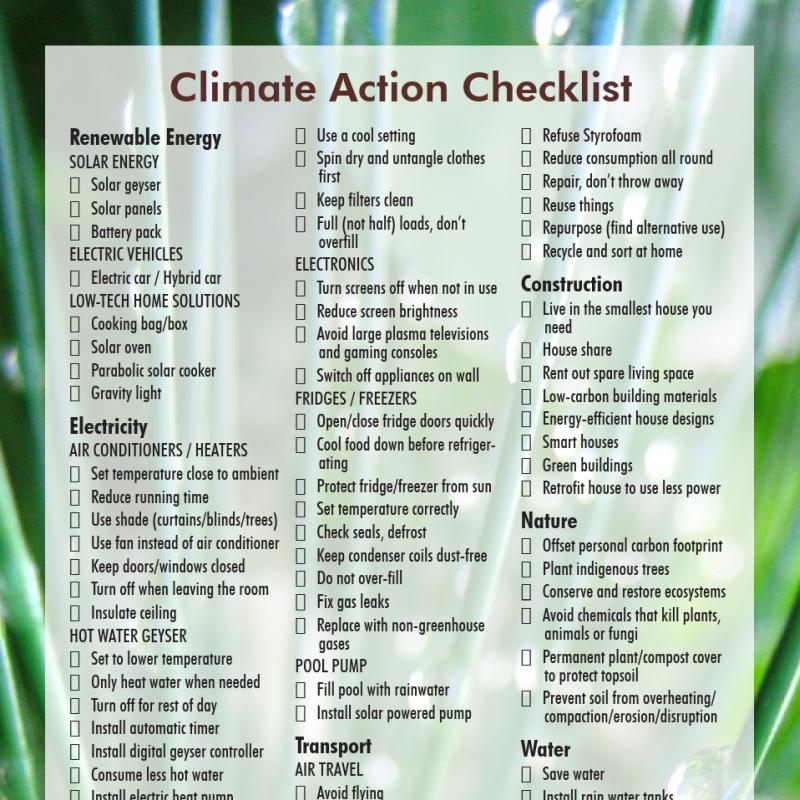
This workshop offers training and resources on climate change, to empower educators to engage learners (and their families), to build climate change knowledge and know-how and stimulate action.
Participants who would like to engage their learners using the resources provided, receive up to 200 climate change booklets for distribution to learners (while stocks last – so don’t miss this unique opportunity). Participants also receive an activity guide and access to online video material.
WHO IS IT FOR? Teachers or other educators of high school-age learners and upwards
The booklet ‘What I Can Do About Climate Change’ was produced by the Durban Office of the Intergovernmental Panel on Climate Change (IPCC) Working Group II Technical Support Unit* (free download). The booklet was prepared to increase the accessibility of IPCC science to help inform personal climate action in Durban.
The What I Can Do (WICD) Action Programme* was developed by the lead author of the booklet (Marlies Craig) to increase active engagement with the booklet. It contains brief lessons (videos), and guidelines for hands-on activities that are suitable for different ages and school subjects. Some are immediately relevant to different parts of the school curriculum. The programme is designed for schools, nature and conservation clubs or educational organizations, adding interest and giving ideas for things to do – in the classroom, on campus, ‘out there’ and at home.
This workshop presents four key units of the WICD Action Programme. In the following months, participants engage their learners (and families, achieving a ‘multiplier effect’) and provide feedback on activities and results. In other words, this is not a workshop that ends when everyone goes home. At a later stage, we hope to host a follow-up Climate Action Expo, where participants can showcase their projects and activities.
*Not an official product of the IPCC. Neither the booklet, nor the programme or training, are reviewed or endorsed by the IPCC.
Many organisms manage fine, or better, without eyesight, but nevertheless eyes are extremely useful. Eyes have evolved on at least 40 separate occasions, in different branches of the animal family tree. On one of those occasions, around 500 million years ago, the early insect/crustacean branch gained their eyesight.
Today, please join me on a quick tour of insect eyes. Insects as a group have two types of eyes: simple and compound.
Simple eyes
Simple eyes, or ‘ocelli’, only detect light intensity, they do not form an image. Gradual changes in light helps insects tell the time – both hours and seasons. Springtails (close insect relatives) have up to six ocelli, but in modern insects, ocelli are usually found in triplets – unless of course they are absent.
This flower mantis (see further below for a picture of the whole animal), has in the middle of its forehead three small, glassy ocelli.
Those bulging fisheye lenses must be exceptionally sensitive. One simple eye (seemingly with a faint pink filter) points forward, two simple eyes (with yellow filter) point left and right. One can only guess what sort of visual cues this flower mantis is recording as it picks the perfect perch. It also has two large, grey-green compound eyes.
Today (22 May) is International Day for Biological Diversity. This year’s theme invites us to “Be part of the Plan”. The Biodiversity Plan was an agreement reached by the United Nations Convention on Biological Diversity in 2022, signed by 196 countries, with a vision of a world of living in harmony with nature. It has 4 long-term goals, and 23 action-oriented targets, “to halt and reverse biodiversity loss to put nature on a path to recovery“.
We happen to live in the middle of the Maputaland-Pondoland-Albany biodiveristy hotspot. eThekwini municipality is a patchwork of amazing nature, interspersed with urban built-up and industrial and densely populated and even semi-rural areas – the annual municipal state of biodiversity reports, especially the full report from 2007, give a good overview. Our neighbourhood is exceptionally green and lush, located in the scarp forest on the boundary between the coastal belt and the endangered Sandstone Sourveld.
So what can I do to protect and restore the bit of nature that is my responsibility? In other words, my own back yard?
Here is a short to-do list:
Get to know the species that live in your back yard
Appreciate biodiversity instead of landscaping, garden for nature
Find out what doesn’t belong (aka invasive aliens), and get rid of them
Invite nature back, by planting more diverse, locally indigenous plants
Protect and restore the soil (make and use compost, cover bare soil with mulch and leaf litter)
Share indigenous seeds and cuttings, knowledge and passion with your neighbours
Our patch of swamp forest.
Our garden contains an extra-special little patch of swamp forest. Frankly, it’s why we bought this property rather than another. Of course I wanted to protect this lovely piece of nature, but at first I had no idea which trees belong here, and which don’t. So I signed up for a tree identification course with Geoff Nichols, a local tree guru, and took along branches from every tree in the garden. Geoff and other tree-lovers had great fun identifying them for me.
It turns out we have 15 different indigenous tree species growing here, and since then I have planted a few more. We removed a fan palm (its seeds are still coming up), an some inkberry trees. The indigenous trees and plants attract a beautiful variety of insects, which in turn attract a riot of different birds.
A large proportion of the photos in my insect book were taken right here in my own garden.
Our bird list must be nearing 100 – without really trying very hard.
Keeping on top of the invasive aliens however is a constant war. Why are these alien plants such a problem? I have presented many times on this topic, and my blog to celebrate World Environment Day 2020 during COVID lock-down has a video on this topic. Below are some of the invasive aliens that we constantly have to fight back:
CannaClimbing cassiaFan palm & Elephant earGinger & Inch plant & Arrow-head vineGingerInkberry treeSingapore daisyAmerican chickweed with sticky seedsErect sword fern
This week, to commemorate Biodiversity Day, I will once again do battle in my own garden, removing invasive aliens that have come up since my last attack. Wish me luck! I also plan to reach out to my neighbours, and start a conversation about controlling invasive plants.
And then I plan to go around the neighbourhood, targeting the horrible catclaw creeper (see gallery below). Macfadyena unguis-cati is a particularly pernicious category 1b invasive species, very difficult to eradicate. Catclaw seeds blow in on the wind. Young seedlings immediately grow this fat little root, deep in the soil, which easily breaks off when you try to pull the plant out. Ignore them, and they grow melon-sized tubers. Thick rope-like vines snake up trees, along branches, and if you don’t cut and poison them, they soon cover and smother the tree crown. They were imported for their beautiful yellow flowers. Now we sit with the mess.
The ‘cat claws’Young seedlingsEnormous tubersCreeping up our fenceCreeping up a tree trunkCreeping along the branches of an indigenous coral treeLeavesThick vinesFlowers
Disasters strike at random, and catch people off-guard. People also panic when they don’t know for sure what to expect. Disaster readiness and early warning saves lives. Good information can give one peace of mind, as well as the confidence to act.
With climate change, flooding events get more intense and happen more often. On Monday this week, Dubai suffered a ‘rain bomb‘ that dumped a year’s worth of rainfall in a few hours.
Yesterday, after a work-related webinar on climate modelling, a colleague asked if forecasts can “predict the absolute intensity of rain in advance. For instance when we had the floods in January, they knew it was going to rain but had no idea of the volume, and the fact that it was going to happen overnight, instead of spread out over 2-3 days, which would not have caused such damage!”
This question prompted me to write this personal account of the Durban floods in 2022.
For most of my life I have been fascinated with geography and weather. One day, by chance, I discovered Windy.com. The first thing I saw was a swirling spiral off our coastline, between Madagascar and Mozambique, which puzzled and intrigued me. I shrugged, and almost forgot about it – except that it turned out to be Cyclone Idai, the deadliest cyclone ever to hit our continent.
This is what I saw when I opened Windy for the first time. (Credit: TV Miramar)
I was hooked. Sometimes I simply ‘surf’ the globe, looking at the wind, including the jet stream at different altitudes, or rain, or thunder storms, or ocean currents. I have also started using these online forecasts to inform the neighbourhood via our chat group, and so became known as the ‘weather woman’.
Trying to stop the water coming in the front door (arrow shows water level)The damage in our neighbourhood was quite severePrecarious housing on steep slopes or below the flood line, with no formal town planning and infrastructure, are at extreme risk.
Our family are fortunate enough to live in a brick building, and suffered minimal damage. But the hundreds of thousands who live in precarious houses and shacks can lose their entire livelihoods in a single day.
Afterwards the big question was: did the weather forecasts not see this coming?
In fact, Windy.com did see it coming, very clearly. The rain forecast on 11 April was completely maxed out, showing the highest possible category. By late morning it was predicting 50-100mm per hour, from 6 to 11pm that evening. It turned out to be uncannily accurate, the rain fell exactly as predicted.
At lunchtime on 11 April, I posted a warning on our neighbourhood chat group (amidst typical dark South African humour).
I urged my husband to leave work early. But by the time a meeting ended, they were already stranded and had to be evacuated.
The next day the system moved 50km South, dumping water on the Port Shepstone area. It turned briefly into a little cyclone, then dissipated.
I had not used Windy in this context before, so my warning was worded simply and carefully, referring folks to the original source. I did not consider then that everyone would not be familiar with such an app, be able to interpret it, or even have sufficient Internet access.
The South African weather service (SAWS) had failed to issue serious warnings, which was embarrassing to say the least. An event of this magnitude should have rung all the alarm bells.
On 12 April, a belated Media Release from SAWS pointed out that “at 16h00 yesterday, a Level 5 warning was issued” and that this “was subsequently escalated to a Level 8 warning at 20h00”. They also claimed that “the exceptionally heavy rainfall overnight and this morning exceeded even the expectations of the southern African meteorological community at large.” There were explanations of what “orange level 9”, “yellow level 4” and “orange level 6” warnings mean, but I find this mix of colours and numbers quite confusing.
“Could this rain system be attributed to global warming and climate change?” the article asked, then gave a difficult-to-understand and misleading answer: “No, as weather scientists we cannot attribute individual weather events occurring on short timescales …” and so on. The last sentence of the paragraph finally admitted, “…heavy rain events such as the current incident can rightfully be expected to recur in the future and with increasing frequency.”
That last sentence should have come first. Why? Because people need to know this, we need to address climate change, urgently. (And it should have been translated into plain English: There is very a good chance that this disaster would not have happened, or would have been only half as bad, if it wasn’t for climate change. And that is the truth.)
When it started raining again two days later, SAWS was on high alert and issued a level 5 orange warning for our area with “possible localized flooding”. A weather forecast circulated on social media, which described the 11 April flooding disaster, as “quite significant amounts of rainfall.” Huh? Pardon? So… what exactly does ‘level 5 orange’ mean then? Gear up for another disaster?
Meanwhile, both Windguru and Windy were predicting only light rain, so I reassured the neighbours, and recommend a peaceful weekend with indoor Easter egg hunts. It was a non-event.
Of course, a few weeks later, on 22 May, we did have another flooding event! This time SAWS released a dire level 10 red warning. (What does ‘level 10 red’ mean? – compared to the April floods?) Now people were worrying: was this going to be even worse? Some folks had gotten badly flooded, and were panicking. The social media went crazy and people didn’t know who to listen to. Many folks in our neighbourhood have smartphones, but can’t or don’t access the Internet. Even if they did/could, where exactly would they look? They rely on forwarded information.
A local councillor sent out a warning. People forwarded other bits of scary information.
My detailed, local forecasts gave people “peace of mind”.
Once again, based on Windy.com, I calmly provided regular updates. And suddenly, the sun came out.
So, a big question for me is: if Windy.com was able to predict the exact timing and amount of rain, why did the SAWS forecast system get it so wrong? I also don’t find those generalized warnings with colours and levels very helpful. Personally. I want to know how much it will rain, when, for how long. When it rains, I want to know if it will get worse or let up, an hour later. Then I can judge. I can look outside and decide. But maybe other people want to know other things.
And then, how does this informationfilter down to the people? I don’t know how it works. I’m sure information on a computer has to pass through the climatologists whose job it is to keep an eye on the predictions, through levels of management, through broadcasting stations, through journalists and editors, to finally end up on people’s TVs and phones for instance, in a useful format and with meaningful content.
How do the numbers and maps get translated? What pictures, colours, numbers and words are used? How do you make it meaningful in real life? What happens when messages get translated into other languages? How are message communicated? Who says what, when, how often, where and how? How is information interpreted and transmitted? Through which media? Who sees, reads and hears it? How, where and when is it passed along? By whom, to whom? At what time? How accurately are messages passed along? How are they understood? Is the information trustworthy? And is it trusted? Do people know how to respond? And then, do they act on it?
Science considers type I (alpha) and type II (beta) errors. Type I errors are ‘false positives’: raising a false alarm when there’s nothing to worry about, ‘crying wolf’, believing a falsehood. Type II errors are false negatives: missing a real warning, failing to raise alarm when there really is something to worry about, missing a truth.
One can see both types of errors in the Durban floods: first a lack of warning of impending disaster, so people say “Why didn’t you tell us?” followed by over-reaction, so people say “That wasn’t so bad, what was all the fuss about?” Both types of errors erode trust.
What about liability? After a deadly flooding disaster in July 2021, in the Ahr Valley, Germany, local authorities had come under investigation “for negligent homicide and negligent bodily harm as the result of possibly failed or delayed warnings or evacuations of the population”, for acting too late in sending flood warnings. Two days ago, the investigation was finally dropped because “it was an extraordinary natural disaster” that “far exceeded anything people had experienced before and was subjectively unimaginable”. Is this sufficient reason to escape liability in a warming world where disasters are coming ever faster and harder?
Looking back over the past 20 years or so, with our weather fetish, my hubby and I had been consulting a website called Windguru, a simple, utilitarian service (started by a Czech windsurfers of all people!) This used to produce incredibly accurate forecasts (originally only in coastal areas), predicting exactly how much it would rain, and when, down to the hour. Based on this we would plan camping holidays, time hikes, and decide when to wash clothes.
I say ‘used to’, because these past few years I have the impression that it has started to underestimate rainfall – in our province at least. In years gone by, <1mm was reliably ‘light drizzle’ or negligible spots of rain. Now we regularly see proper, driving rain, when <1mm is forecast. This is totally anecdotal, but I wonder if the weather models are perhaps not able to keep up with climate change?
At the same webinar that I mentioned earlier, someone asked, “What can we do to help the most vulnerable, people living in shacks, in valleys below the 100 year flood-level, people who won’t want to flee because their entire livelihood is at stake?” Research is being done in this critical area, for example on the Quarry Road Informal Settlement in a flood plain. We need solutions, and quickly. The next flood is just around the corner.
That’s where I leave it. My scientific brain cells are whirring and wondering. I have no real answer, only lots of questions. Sorry.
On 16 March, the Wildlife and Environment Society of South Africa (WESSA) Eco-Schools celebrated the transformative impact of the Eco-Schools programme in South Africa. The KwaZulu-Natal provincial award ceremony brought together teachers and learners to recognize two decades of environmental education.
Margaret Burger (centre) honoured for her outstanding contributionThe Birches Pre-Primary School receive their well-earned emerald award
EASTER Action would like to congratulate WESSA, the Eco-Schools programme, and particularly, this year’s recipients of notable awards: Epworth School and The Birches Pre-Primary School in KZN, for consistent environmental action over 20 years, plus the 40 schools from across the country, who received International Green Flags for their outstanding environmental efforts. Well done! Heart-felt congratulations also to Margaret Burger, who was honoured for her longstanding dedication in this area!
The organizers had asked me to do the keynote presentation, which was a wonderful opportunity to try out the pilot session of the What I Can Do (WICD) action programme with this audience of teachers. Based on observations and feedback, they found the interactive presentation as interesting and engaging as learners had done previously. This bodes well for the teacher workshop we are organizing for the near future.
Which sector produces the most greenhouse gases? A visual wow! momentA fun anonymous climate change quiz using Plickers
Recycling is THE single best known ‘green’ concept, I reckon. Say ‘environment’ and the answer is ‘recycling’. It’s what kids are taught to do at school, it’s what labels on plastic products claim they (can) do, it’s what any environmentally-minded and nature-loving person is honour-bound to do.
But does it work??? No.
In South Africa, at least 90% of our 54 million plus tons of annual waste lands up in landfill sites, or is just dumped anyhow and anywhere, spoiling nature, and often ending up in the sea.
Durban beach after the April 2022 floodsPlastic, Styrofoam, rubber from peoples’ daily lives.
Sure, recycling generates income for nearly a quarter of a million waste-pickers and powers South Africa’s recycling economy, but… should it have to? Banning so-called problem plastics (including polystyrene containers, plastic cutlery, food sachets and snack packaging) would actually boost the economy.
Waste pickers have separated out the ‘good’ stuff.Durban municipality cleaned up the rest.
According to Greenpeace, four years ago 34 out of 54 African countries had passed laws banning single-use plastics, or were planning to, but real-life results are far from encouraging. Even though South Africa made it onto that list, it is apparently the world’s 11th-biggest litterbug.
Recycling is NOT the solution to the problem of plastic. The Fraud of Plastic Recycling describes “how Big Oil and the plastics industry deceived the public for decades and caused the plastic waste crisis.” Separating fact from convenient fiction and plenty other online articles debunk myths around recycling. Even the word ‘litterbug’ was invented in “sophisticated marketing campaigns to shift blame from producers to consumers”, while plastics companies fought tooth and nail against anti-plastic laws and bans.
As a consumer I really struggle to avoid buying unwanted plastic with my groceries. Every time I challenge a shop manager on their excessive use of plastic, their excuse is ‘consumer pressure’ FOR small and tidy portions wrapped in duplicate or triplicate. I’m not sure if this is just an excuse, or if they really do get customer complaints like “I demand my food is wrapped in more plastic”. When will we as consumers put our foot down on this issue?
In the meantime, and even though I know it mostly doesn’t work, I recycle faithfully. What else can one do? For three years I collected all the empty milk bottles our family was using, planning to organize a ‘bottle garden workshop’ some day. But I never got around to it, and the bottles piled up. And up.
3 years of milk consumption by one family!Plastic resurrected as furniture
Today, on World ConsumerRights Day, I make a wish to be able to afford an electric car. I would like manufacturers to stop reserving this innovation for the luxury niche, and produce models for the mass market. It looks like my wish may start coming true soon.
Last week I met a person who was adamant that electric vehicles (EV) are no better than ordinary cars (with combustion engines). I felt so helpless against their firm belief in this misinformation, and decided a quick blog on this was in order.
There is plenty of evidence that EVs are a huge improvement, from the the US EPA debunking ‘EV myths‘, to the detailed scientific account of the IPCC Working Group III chapter on Transportation. EVs win hands down – especially when charged using renewable energy (such as solar power or wind).
An ICCT report shows life-cycle emissions from different kinds of mid-sized cars registered in Europe. The graphs for other countries look very much the same.
Full life-cycle analysis takes account of greenhouse gas emissions of a product, during all stages of its existence: manufacture, storage, transport, retail, operation while in use, and finally scrapping or recycling – including powering and supplying all the raw materials and processes along the way.
Battery technology is also progressing rapidly – watch this space. The perceived issues with Lithium-Ion batteries will soon be moot. The more we invest in EVs, the more research and development will happen, and the sooner we’ll see even better solutions.
Having said all that, I must now confess that owning and driving a car is an environmentally unfriendly privilege for those who can afford it, that should eventually be phased out. Manufacture-related emissions are still considerable, and electric private cars are not the solution for a climate-resilient future. To achieve net-zero-emissions, electrified public transport is the way to go – of course fueled by renewable energy.
However, EVs have another potential use: vehicle-to-grid technology is an emerging solution to help solve the problem of variable power supply from solar and wind, providing power stability to the owner or even to the wider grid. EVs are plugged into the grid whenever they are not in use, adding to the total power storage capacity. They store excess power when available, and help supply the grid during high demand periods.
UPDATE (22 April 2022): in a recent article “The search for South Africa’s lost electric car“, the Daily Maverick reveals that already back in October 2008 an electric vehicle (the Joule) was unveiled at the Paris Motor Show. Full-scale production was supposed to start in 2012, “with cars in showrooms by mid-2013”. ‘Van Van’ replied that they saw the Joule displayed at Cop17 in Durban: “It was beautiful.” Jeffrey Barbee shared a link to a video:
This is so amazing! But for some reason the Industrial Development Corporation of SA pulled out, the government refused to provide funding, the idea was scrapped. Apparently one out of the four fully functional cars still survives. Now I feel deeply depressed that 11 years ago South Africa missed such an incredible opportunity.
Nearly a year ago, the opening session of the What ICan Do (WICD) About Climate Change Action Programme got piloted at a local high school. The introductory session is designed for really large groups, such as an entire school assembly.
Before even mentioning ‘climate change’, the programme starts by introducing young climate activists, showing the role that the youth play in world affairs. It encourages learners to think at the global scale, rather than just thinking about ‘me, here, now’. Climate change is a global problem and we are world citizens. This introduction hopefully arouses a sense of importance, relevance, empowerment, and capacity: “Look what others have managed to do, we can also do something!”
Climate change has been called a ‘wicked problem’: so complex, with so many interacting causes and symptoms, that it seems impossible to solve – or at least wickedly difficult. ‘Wicked’ means evil, and climate change is that. But in slang ‘wicked’ also means excellent, brilliant. The ‘wicked’ problem of climate change needs ‘wicked’ solutions. The acronym WICD fits perfectly.
So where does one start? We want to start with actions that are easy to do, that have a big impact quickly, and we want to involve as many people as possible. That is the key message of the first session. The second session – with related activities – does just that. It is designed for smaller, class-room sized groups, and involves the learners’ families back home.
We are now planning to pilot the first two sessions with a group of educators, who will then involve their learners and their learners’ families.
Today, on World Soil Day, we celebrate the fact that healthy, living soil in nature is full of dead things, dung, fungi, gazillions of tiny creatures, bacteria and nutrients – just what plants need to grow, in their great variety, producing biomass, and generating food for everyone. Let us remember that in nature we all eat, poop and die.
This World Soil Day I want to share my experience with recycling human waste. Discarding our precious waste is such a waste! And flush toilets waste precious water. A human composting toilet saves both water and nutrients to fertilize the garden.
I’m not crazy, and I’m not the only one doing this! One can even buy human composting toilets online. But I didn’t want to spend loads of money on fancy equipment or install something I might regret. Instead, I attached an old broken toilet seat to an old plywood plank, and laid it across the bathtub which we never use anymore (because we take short showers to save water), with a bucket underneath, and another bucket with compost.
I tried both well-decomposed leaf litter from a compost heap in the garden, and fairly recently cut lawn clippings. (We dump cut grass in a pile under a tree. After 2-3 weeks it turns white, covered in mold.) Both kinds of compost worked fine.
A pile of lawn clippingsInside, fungi start the decompositionWhite fungal growthMy very own human composting toilet system (not copy-righted).
It’s very simple: 1) scatter some compost in the bottom of the toilet bucket, 2) do your business, 3) cover the business with another two handfuls of compost. Ok, and then put a lid on.
Surprisingly, it does not stink. The compost seems to absorb the bad odors. All you smell is the pleasant forest fragrance of the compost itself. It’s best to keep the solids and liquids separate, so don’t pee in the bucket with the solid waste. (Diluted urine can be used separately as fertilizer.)
Anyway, every week or two I emptied the bucket it into a compost box. This didn’t stink either. After several months I kind of lost interest in the experiment, but the pile of sh*t continued to do its job, and a year later I found a load of beautiful ‘brown gold’: high quality fertilizer for my garden.
Brown gold: rich natural fertilizer
To do this permanently, one would have to rotate through two or more separate compost boxes, to give each batch a chance to decompose fully.
What about contamination and disease? Helminth eggs and protozoa cysts die off at a certain rate, depending on various factors such as aeration, temperature, moisture and sun exposure, so the compost becomes safe after a certain time – anything from 6 months to 2 years. The climate, the setting, the material mixed with the waste, all play a role. Digging the compost under the soil instead of sprinkling it on top increases safety. I can’t help thinking my approach of adding ‘living’ compost from the garden would have sped up the natural composting process. For further information, this detailed report is a useful source.
My biggest problem was convincing my family to help collect this ‘brown gold’. They understand in principle why it is a good thing, but I suppose we have all been conditioned to consider our waste disgusting, rather than natural and useful. “Expand your mind, allow yourselves to think new thoughts, try work with me, this is just one more way to live sustainably,” I tried to motivate them. No success (yet). Maybe some day we won’t have a choice.
Seeing how that flooding event here in Durban damaged so much infrastructure, including sewers and water purification plants, and seeing how a year later raw sewage was still flowing in our streams and onto our beaches, made me think how with climate change we can’t take things for granted anymore. Perhaps I’m being over-dramatic, but there may come a time when we will have to manage our own waste, who knows. Best to be prepared. It’s called disaster readiness.
In the last article I started presenting the contents of a temporary exhibition that sadly fell victim to the pandemic. We covered the first four roles of insects in nature: pollination, seed dispersal, recycling and improving soil quality. In this article we continue the series, and look at roles 5: pest control, 6: weed control, and another role ‘X’ that goes beyond the content of exhibition – population control.
Role 5. Pest control – insects eat each other
What is a pest? A pest is something that directly harms our crops or livestock, or even us, something that is so numerous that we notice it and that does measurable damage. A lonesome caterpillar in the garden is not a pest.
Many insects that could become pests, never do, because enough of them get killed by their natural enemies. Natural enemies of insects include birds, lizards and other animals, but the most important natural enemies of potential pest insects are other insects. About a quarter of insect species eat other insects, thus keeping them in control.
Predators, such as the praying mantis, ladybird and assassin bug (header), catch their prey, then eat it up whole or suck it dry, depending on their mouth parts.
Cooking in a hot box / hot bag saves electricity while reducing our carbon footprint. Food takes only slightly longer to cook than on the stove, and can be left unattended (it doesn’t burn or boil over, and doesn’t need to be stirred).
I even find that stews and soups cooked like this tastes better and more fragrant. Rice is more fluffy and evenly cooked.
A hot bag can also be used to keep things cool – more efficiently than a cooler box.
This is the kind of hot box / wonderbag / hay box that one can buy, promoted here by the Department of Economic Development, Tourism and Environmental Affairs.
This beautiful book on community development and rural health, has instructions for rural women on how to make a ‘wonder box’ out of old cloth such as old linen mealie meal bags and stuffed with insulating peanut shells, grass, feathers or old newspaper.
You don’t need a box at all though. Some warm blankets work just as well. Hikers know this trick: you only need one little gas cooker for a 3-course meal. Boil a pot of rice, wrap it in your sleeping bag, then prepare your soya mince sauce (which cooks much better, without burning, in another sleeping bag), while you cook the dried vegetables (or make a nice cup of Milo).
Hiking and camping at Mont-Aux-Sources in the Drakensberg.
At sea level, water boils at 100°C. For every 300m rise in altitude, the boiling point of water is about 1°C lower. So at the top of Amphitheatre, at 3200m, water boils at 89°C. At high altitude food simply takes longer to cook – just something to keep in mind.
For my kitchen I recycled an old kiddies’ duvet that had gotten lumpy. I use this regularly to cook rice, stews, soups – anything that otherwise needs prolonged simmering on the stove. It really helps during loadshedding: as long as I get the pot boiled before the power goes off, no problem.
I got this fancy solid box made, on wheels, with a lid. It goes under the table, serves as a seat, and when needed, it comes out and becomes an oven.
How much electricity (and carbon dioxide emissions) does a hotbox avoid?
That depends on the kind of stove we are comparing it against, and the kind of food we are cooking. Since one needs to bring the food to the boil either way, the hotbox only saves on the simmering time. Food that only takes 15 min to cook on a stove would save only a little electricity; food that has to cook for hours, saves a lot. So the cooking box is particularly useful for meals that require longer cooking times.
1kWh electricity produces approximately 1kg of carbon dioxide emissions.
For those who like actual numbers, Eskom reports that it produced 198 281GWh of electricity in 2022, with 207.2Mt carbon dioxide emissions (plus 32.90Mt ash and 66.65kt particulate matter). Converted that is 198,281 million kWh and 207,200 million kg. Divide kg by kWh to get emissions per energy used.
A typical 1000W stove plate, if set to maximum heat, would use 1kWh per hour, and produce 1kg of carbon dioxide in emissions. So let’s say you simmer food (on level 3 out of 6) then you can assume a typical 1000W plate will consume approximately 0.5kWh per hour on half heat, which equates to about 0.5kg carbon dioxide. Now do that every day. Perhaps you use more than one stove plate at a time. All that adds up very quickly.
Please have a look at the total kWh on your last monthly electricity bill, and multiply that number by 12 to get the number of kg of carbon dioxide your household adds to the atmosphere every year. Now think: you can do something about that. Just dig out an old blanket and start today!
Back in 2018 and 2019 Andrew Carter of the Durban Natural Science Museum and I put together a temporary exhibition on the roles of insects in nature. In January 2020 Andrew was still putting on the finishing touches when Covid-19 struck. Sadly, visits to the museum stopped or came at a slow trickle.
I would hereby like to present the contents of the exhibition to the readers of Leopard’s Echo, per chance to reach a new audience. The information came largely from the book What Insect Are You? and from educational events offered under its banner. Those who know me may have seen me talk about this topic at local conservation events.
The exhibition also featured specimens that came from the museums’ wonderful insect collection, see the first picture in this article (and it so happens that one of the entomologists who reviewed the book What Insect are You? was the curator of this collection at that time, Kirstin Williams.)
The exhibition was called: Insects: the silent extinction. Do we know what we are losing?
Insects are disappearing at alarming rates. But is this a problem? You probably already know the answer. Insects are not just pests – they also play important roles in nature. Sure, most people can think of a few good uses for insects (they pollinate flowers, they make honey), but for many people that is where the good opinion ends.
On 19 May I presented at a Climate Change Seminar, under the slogan ‘Walk the talk’. It was part of a three-day-long Articulate Africa Art and Book Fair, hosted by eThekwini Municipality’s Parks, Recreation and Culture Unit. The seminar was attended by around 60 learners from 6 schools, along with around 40 teachers and local stakeholders.
The learners proved that they already know a lot about climate change. They got top scores for quiz questions about what the greenhouse effect is about, about the causes and effects of climate change, and whether scientists agreed on what was going on. Impressive!
BUT, as we reflected before, knowledge does not automatically lead to action. Despite two centuries of climate science, and decades of international negotiations and agreements, government policies are still taking us to 3°C global warming or more. Yet the dangers even of current levels of warming (1.1°C) are clear, just read the news.
The climate crisis is much too serious to wait for governments to act, or to tell us what to do. Instead we, civil society, need to act of our own choice, and put pressure on government and industry to do the right thing. Democratic governments may not listen much to the science, but they do have to listen to the people. So let us ‘walk the talk’.
South Africa is the country with the 15th largest carbon footprint in the world. Climate change is not just someone else’s problem, but also ours. Page 6-7 in the booklet illustrates where all our country’s greenhouse gasses come from: 80% come from fossil fuels, about half of which goes to producing electricity from coal. To make a meaningful dent in our national carbon footprint, we need to reduce electricity consumption.
The residential electricity-related emissions can be very high, especially for appliances that are left running for many hours, such as air conditioners, heaters or geysers, and for those that involve heating.
The bar graph (on page 13 in the booklet) shows that electricity use in the home can generate many tons of carbon dioxide per year. How much is a ton?
In an interactive session, the learners at the seminar found out how to read and interpret a municipal electricity bill, and to calculate the electricity-related carbon footprint for a household.
Until renewable energy becomes a reality for all, we can respond to the climate crisis by reducing our electricity consumption. This also saves lots of money, given how electricity prices have sky-rocketed, and relieves the pressure on our struggling power grid. The checklist in the booklet shows many effective ways of reducing those kiloWatt-hours.
Ten days ago, supported by EThekwini Municipality and Green Corridors, around 100 environmental education / public awareness practitioners met for an Indaba to discuss how we can accelerate our joint response to the intensifying climate crisis, and to pull together an Environmental Education & Action Network.
The organizers invited me to open the discussion by talking about “What triggered you to start acting or doing what you do?” The same question was discussed among attendees later.
So here is the mystery: Why does knowing about a deadly danger not automatically cause action, or a change in behaviour? When and why do we act (differently)?
At a recent FAO webinar on environmental education, the presenters explained how knowledge about human behaviour can contribute to pro-environmental action.
According to Self-determination theory, humans need 3 basic psychological foods: Competence: being able to do things. Autonomy: having the freedom and power to be and do. Relatedness: being connected with others.
We do things, when we feel able, when we have courage to try: “I can do this, this is not beyond me. I have the capacity. I know what to do.” Knowledge and practical know-how are also part of it. Competence.
We do things when we have the freedom to do and act. “I can choose, nobody is forcing me, I can look and judge for myself, I can evaluate and make good decisions. I can find the means to do this.” Autonomy.
We do things when we can do it together. We need to know we are not alone, that there are others doing it. We even experience FOMO, the fear of missing out. Humans love getting together, agreeing on things, doing things with others who feel the same way, or doing things that bring us closer together. Relatedness.
One can design education programmes around this.
Individual behaviour can also change when systems are set up to make it easy.
“Environmental problems are collective action problems. Targeting individual attitudes and behaviours is not enough. We need to change the systems that influence our behaviours.” (S. Hanisch)
“Nudges: positive and gentle persuasion to encourage sustainable behaviour… Nudging is based on an understanding of the psychology of decision-making… We use mental shortcuts – do what everyone else is doing or take the easiest way… we follow ingrained routines or act on auto-pilot.” (from th booklet)
UNEP has published a downloadableLittle Book of Green Nudges, that shows how this principle can be applied to encourage people to make sustainable choices. If you can offer pro-environmental, sustainable behaviour options that are easier than unsustainable ones, that are attractive, that promote togetherness or that show how you can join others who are already doing them, and if you offer these options at the right time and place, then there is a good chance sustainable behaviours will win over unsustainable ones.
E=Easy, A=Attractive, S=Social, T=Timely spells out EAST.
As EASTER Action, we would like to add ER: E=Effective and R=Responsible.
R for Responsible. Those of us who have the most and spend the most, are most responsible for the problem and therefore most responsible to act (differently). People cannot consider the environment or the climate when their families are hungry, or plan for tomorrow when today is not taken care of. “Leaving no-one behind” is a key principle of the Sustainable Development Goals.
These were mentioned as caveats, but are best included up front.
So when did I start acting on climate change and the environment? I started eradicating exotic plants when it was my little part of nature, not someone else’s (ownership? custodianship?) and when I learned to tell alien from indigenous plants. I started acting on climate change once I realized just how big and bad my personal contribution was, and when I knew what actions would make a meaningful difference.
My little patch of indigenous swamp forest. My piece of nature. Mine to cherish and to protect. (Not as in ‘mine mine‘, but more like ‘my’ family, ‘my’ children: I love them and I am responsible.)
Oh the shock, realizing that one short drive into town and back home produces 10kg CO2 emissions! … Oh the joy, being able to avoid several tons of CO2 emissions per year for electricity!
The Internet is full of fantastic ideas for upcycling generally (turning waste into something useful), and rag-rugs specifically. Old T-shirts too stained to pass on as second-hand clothing, still find a use. Stretchy fabric works best. Ideally the fabric should not fray.
Rags to strips
Start by cutting off any seams. Then cut the fabric into strips, in a zig-zag pattern to make one long continuous ribbon. You don’t need to cut straight either, curves is fine.
Remove seamsCut fabric in a zig-zag
On fabrics that stretch in one direction only, it is better cutting in the direction of the stretch rather than across it.
The strips can be from 1 to 3cm wide. The thinner the fabric, the wider the strips.
The thicker the yarn, the thicker the final carpet will turn out.
Find a route that has the smallest off-cuts, for instance:
top
sleeve
pants
To save time, fold the fabric in half. Cut from the fold to within 1cm of the edge. Open up the fabric, and snip through to the edge, on alternating rows, to create a continuous strip, like this:
A lovely selection of matching colours.
Strips to yarn
To connect individual strips quickly and easily, loop them through each other. Cut slots into the ends; first push the end of strip A through the slot in B, then pull strip B through the slot in A:
Once I got a huge bag of off-cuts from a T-shirt factory. It took ages to untangle all that cotton Lycra – much longer than it took to crochet the rugs afterwards.
Yarn to rug
If you don’t know how to crochet, check out Sarah‘s blog for example. The simplest crochet pattern starts with a chain, and then works back and forth until the rug is long enough.
The last time I crocheted anything was at age 5.
Here is an alternative pattern for a rectangular rug. Hopefully the instructions make sense. (I am a complete novice and cannot read or write a proper crochet recipe.)
First, mark out on the floor how big you want the rug to be. Mark out two right-angled triangles on each end. Measure how long the starting chain needs to be. Calculate 2cm per stitch.
On this rug the starting chain was 50cm long, about 25 stitches.
Use a 10mm thick crocheting hook.
Create a chain (Step 4 on Sarah’s blog)
‘Work into the chain’ (Step 5)
As you get back to the beginning, put three stitches in the end loop of the chain (figure A below).
Crochet along the chain and do the same on the other end (A).
On the next round, add an extra stitch on each of the four corners (B).
On the following round, and each round thereafter, add two stitches in each corner (C).
With each round, there are two extra stitches on each side of the rectangle (D).
When the rug is big enough, or you run out of yarn, fasten off (Step 9).
Having just returned from an international trip, exhausted from sitting around on aeroplanes and airports for many hours, I couldn’t help marvelling again how small creatures like godwits fly for 11 days non-stop on their own wings. Insects, which are even smaller, are capable of similar feats.
Following a previous article on insect migrations, here we look at some of the fascinating ways in which insects get around, and special adaptations that help them get there.
So let’s go!
Walk before you run
Let’s start at the beginning: Ants, Beetles, Cockroaches, all these and more have six standard-issue walking legs. Even for creatures this small, walking can be pretty efficient, make no mistake. Ants just walk and walk and keep on walking, and don’t they just end up everywhere? By way of pheromone trail markers they find their way home, but now I’m wondering: how many end up getting lost anyway? I couldn’t immediately find an answer to this question on the Internet.
Oh when ants… go marching by… A highway of African army ants spotted in Tanzania.These little chaps – toktokkie beetles – arrived on foot at a karoo picnic site, within minutes. How they found my apple core so quickly, they alone know.Walk weevil walk!
In a city, one doesn’t always have access to a vegetable patch. But vertical gardens are a great way to grow food on hot, sunny walls.
Here is a 4min video of how to make this fully functional drip-irrigated vertical vegetable garden using recycled 2L plastic milk bottles.
On the Internet there are many different ideas and designs for vertical bottle gardens. Some of them are quite complicated, and need lots of hardware. My aim is always to spend as little time, money and energy as possible, and to recycle junk that is lying around anyway. Plus it must actually work. Tried and tested.
I started experimenting back in 2019. The first design was a flop. Ok I managed to grow a crop of veggies, but (a) each bottle had to be watered individually (groan!), (b) the water simply dripped out the bottom (leeching the soil), (c) the soil shrank in the bottle as it dried leaving a gap, so the water would just run around the soil without getting absorbed, (d) … anyway, there were other drawbacks that are not worth listing.
This arrangement was ultimately not successful.
The only part that really worked was the idea to use wire and square metal brackets hung loosely over the top of the wall, to hold up the bottle racks, instead of drilling and screwing anything permanently into the bricks. This system was quick and easy to put up, move and importantly – remove. On house walls one could hold up the rack by wires attached to roof rafters or window sills.
As for the bottles – after much head-scratching and fiddling, I came up with a much better system: a row of bottles, connected to each other and set up at an angle, like so:
This system really worked.The end bottle is the water tank.
The end bottle is the reservoir. Simply fill up this tank with water. The lid has holes punched in it. The water gently irrigates the first bottle, then dribbles slowlyfrom one bottle to the next. Reduce the flow from the tank by blocking some of the holes with toothpicks.
A container at the bottom collects the overflow – a nutrient-rich tea, which can be poured back in the top, to recycle nutrients.
Watering is quick and easy, but the actual irrigation is slow, and the soil gets a thorough soaking. As a result it stays wet longer. You can even control the moisture level: the steeper the angle of the rack, the better it drains. If you lower the rack, more water pools in each bottle. This helps fully grown plants to cope in the heat of summer. (But avoid water logging.)
I have successfully grown several crops of vegetables: lettuce, spinach, various herbs (parsley, dill, chives, leeks, basil), celery, also green beans, radish. Even cauliflower – though the monkeys got to them first.
Cucumbers also grow very well in bottles: set up two racks about 2m apart, and zig-zag a string between them. This works for runner beans too. Just help each plant to find the right path.
Soil quality is something I am still learning about. Diluted urine, bone meal, wood ash and Epsom salt are organic alternatives to artificial fertilizer. But I have found it is easy to overfertilize, because nutrients cycle around this self-contained unit. It is probably best to replace the soil once a year, mixing in fresh compost, and rotating crops. The plastic bottles also become brittle from the sun and don’t last longer than two seasons.
On 1 November is World Vegan Day. We are not vegans, but I respect the choice. This blog is my salute to you, Douglas, Glenda, Shannon, Chloe and others. I share your love for veggies.
As I write, our neighbourhood is wrapped in darkness. At Stage 6 national load shedding, electricity cuts out several times a day. But we hardly notice. We enjoy the benefits of energy that shines down from the sky, for free, every day.
In August we installed a solar power system. After fretting for a while over the cost, we saved up and just did it, knowing that this investment will pay itself back in a few years. After that, electricity will be free.
Installed and pumping electricity!
Best of all, we reduced our family’s carbon footprint, making a major contribution from our side towards solving the climate change crisis.
The best location for solar panels was the garage roof, as it is the most nearly North-facing, with the least shade.
The solar panels convert sunlight into electricity. This power is variable, and it comes in as DC (direct current) while the home uses AC (alternating current). So the current has to go through an inverter.
The inverter receives electricity (from the panels, from the grid or from a battery), converts it as required, and sends it as required to the home or the battery or exports it to the grid. Beware: the inverter is noisy.
Batteries supply power at night. Without them electricity would only be available during daylight hours. They act as a storage tank, ensuring a steady supply while power production peaks and dips. The inverter also needs a battery to start up during power outages (it is a computer after all). This took me a while to understand. Without electricity from the grid or from a battery, the inverter cannot power up in the morning, and the solar panels are useless.
Inverter with complicated wiringBattery getting installed
The Watt ratings on the panels indicate the maximum power produced per square meter. I don’t know if one ever reaches that maximum, but today at lunch time (a blazing sunny spring day) our panels produced 85% of their total rating.
An online app records and makes pretty graphs of everything – the energy being harvested from the sun, our electricity usage, how much we import and export from and to the grid, even an estimate of total savings – in Rands (our monthly electricity bill) and in carbon dioxide (1.8 tons in under 3 months, or more than half a ton of coal). Wow!
Electricity production (green area) depends on the weather, the length of the day, and other factors.
At this time of year the weather is extremely variable, swinging from blazing hot sunny days to grey fog and drizzle, and back. Despite this, our solar system has supplied our needs, on average. On some days we import from the grid, on others we export. Even on the darkest days with heavy cloud cover, the panels produce at least enough electricity to keep the fridge and freezer going 24/7 (with two batteries). But this is good to know.
Back to question of money: these past few years the cost of solar power has come DOWN, to the point where it is now getting cheaper than electricity from fossil fuels (like coal power stations). At current electricity prices our system (which we paid for cash) would take about 10-11 years to pay off.
But electricity prices in South Africa have gone UP, faster than inflation (15% annual increase on average since 2008, which is 3x faster than inflation). If this trend continues (very likely) we will get our money back in about 7 years, after that, profit. So this is an investment that makes business sense. No wonder more and more businesses are installing solar power. In theory one can start small and add more over time.
From IPCC report 2022: WGIII Figure 6.8Based on data from Eskom
In every way solar power makes sense. It makes sense for today, it makes sense for the future, it makes sense financially, it makes sense for disaster readiness and for peace of mind.
On Youth Day (24 June 2022) the South African Youth Climate Change Coalition (SAYCCC) ran a workshop in Durban to strategize how to ramp up climate change action and activism, now that Covid-19 restrictions have been relaxed.
It was a timely opportunity for EASTERaction to hand out copies of What I Can Do About Climate Change booklet, and to present our plans for a brand new Action Programme to go with it, which we hope to roll out over the next year.
The booklet was originally written to inform eThekwini municipal councilors about personal climate action. One day before our workshop, the booklet was distributed at a climate induction workshop run by the Environmental Planning and Climate Protection Department.
Thank you SAYCCC for this opportunity and for your enthusiasm! We very much look forward collaborating on ‘the biggest challenge facing humankind ever’.
For me personally, the diversity of insects is a wonderful expression of the creativity of the Creator: the vast and seemingly unnecessary variety, the sheer ingenuity, the visual beauty that has no discernible purpose or evolutionary advantage. ‘It must have’ some would say. Maybe.
I appreciate the evolutionary process, but don’t think everything can be so easily labelled as ‘blind, random chance’ and ‘survival of the fittest’ or even ‘runaway selection’. It is much easier to believe that a divine artist had a lot of fun.
Either way, there is something divine about insects.
Dung divine
The scarab was the symbol of Khepri, the ancient Egyptian god of rebirth and the rising sun. Like the beetle rolls a ball of dung, from which a new beetle will hatch in time, Khepri was thought to roll the sun across the sky, where it hatched anew every morning.
The copper dung beetle belongs to the genus Kheper after the god. This male has collected a ball of faeces. The female will lay an egg inside, then the ball gets buried: baby food for the grub.The hieroglyph symbol of the scarab appears in King Tutankhamun’s forename: Nebkheperure. Inset: a scarab ring from his treasure.
There is definitely something divine about insects, both in their benefits, and their deadly powers.
The theme of this year’s World Environment Day is “Only One Earth“. Over the past year the Intergovernmental Panel on Climate Change (IPCC, a United Nations organization) has released three key climate reports, that have one single, resounding message: We are in crisis. Or in the words of the UN Secretary General: this is “Code Red for humanity”.
As one of the IPCC support staff, I have read and re-read several drafts of these reports, as well as the Special Reports released in 2018 and 2019. “Every year matters!” the first one said. But a year ticked by. And another. And another. And another. The crisis is upon us, and still we are dilly dallying, carrying on as before. It scares me how much is known, and how little is being done. It is surreal.
This year Durban got flooded – one of the worst floods on record. But… we mopped up the mess, made (or started to make) repairs, and carried on. Six weeks later it happened again! Disasters like this will keep getting worse and happen more often.
Today, on World Environment Day, EASTER Action would like to thank and congratulate the hundreds of scientists who contributed towards the IPCC reports, who spent so much of their time and energy, often under extremely difficult situations, to bring together, assess and summarize the latest, up-to-date information on climate change, and to map out the options. Thank you, thank you, all you dear people! And well done! Thanks to you we know what to do next.
May the world listen to your warning, and do what needs to be done, to save this one and only earth, our home, and all its children.
We highly recommend these brief 2-3min trailers. They are beautifully made and give a fantastic overview of the current state of climate science.
The latest reports (2021/2022):
The Physical Science Basis
Impacts, Adaptation and Vulnerability
Mitigation of Climate Change
The Special Reports (2018/2019):
Special Report on Global Warming of 1.5°C
Special Report on the Oceans and Cryosphere
Special Report on Land
About the IPCC and the current assessment cycle.
See the IPCC channel for more videos on the various press conferences etc.
Insects migrate. In a GRAND way. Forget the migration of the wildebeest across the Serengeti. The painted lady butterfly, found all over the world, migrates from as far North as the arctic circle to the tropics and back – a 14 000 round trip. Individuals fly several thousand kilometres! Dragonflies migrate between India and Africa, flying several kilometres up in the air, over open ocean. How is this even possible? The mind boggles.
In my opinion humans always underestimate insects. Because they are small we don’t take them seriously, we don’t appreciate them, we don’t give them the respect they deserve. Even when we are finally made aware of some amazing feat, we are still missing something even more amazing.
The vagrant emperor dragonfly, also featured in the header, is a known migrant. It is a spectacular animal, one of the largest dragonflies that exists. It occurs in Durban – this individual strayed into our house.
The painted lady butterfly completes its migration over the course of a few generations. The offspring can’t learn the route from their parents. So how do they know to stop flying South, but turn around and head back North? This is a mystery worth solving!
It was a bitter-sweet experience, seeing (yesterday, for the first time!) the temporary insect exhibition at the Durban Natural Science Museum. Charles (aka Andrew) Carter and I had spent so much time working on this back in 2018 and 2019. In January 2020 he was still putting the finishing touches on it… when Covid-19 struck.
Entitled Insects: the silent extinction. Do we know what we are losing?
It will still be up for a week or two. For directions click here.
One of the world’s largest insect: the Goliath beetle.
Content from the book What Insect Are You? and specimens from the museum’s insect collection.
Covid-19 restrictions prevent group events
The information came to a large extent from the book What Insect Are You? and from follow-up educational events offered under its banner. The specimens came from the museums’ amazing insect collection. (It so happens that the curator of this collection used to be Kirstin Williams, one of the experts who reviewed the book.)
T. rex wonders “Why did those things survive and I didn’t?”
The exhibition went up without warning or fanfare in 2020. It was mentioned briefly in Thola magazine Volume 21 (page 23), but due to Covid-19, visits to the museum by school groups slowed to a trickle. It would have been great to run educational events there, for school children and the public. But alas!
Marlies Craig (of EASTER Action) and Charles Carter (of Durban Natural Science Museum)
By the end of this month (August 2021) the exhibition will be removed, to make space for the next. Perhaps we can find a new home for it? Thanks again Charles for your hard work bringing it to life. And thanks to Durban Natural Science Museum for spreading the word that insects are our life support!
Insects are good at multiplication. They dominate life on earth – in diversity, numbers and volume. It may be hard to believe, but termites and ants alone could account for a quarter of all animal biomass on land. But now these creatures, that we took for granted, and whose existence even irk certain people, are suddenly on the long (and growing) list of things we need to protect, not destroy.
Luckily, insects can bounce back quickly in numbers, as soon as their natural habitat is restored, and the poisoning ceases – thanks to their ability to multiply. This issue contains stories related to this multiplication process.
Toktokkie beetles handle the courtship remotely via virtual meetings. Males start the conversation, by drumming their abdomen on the ground, until a female responds. A pair exchange signals until, eventually, they locate each other. Then it’s run and jump and hold on tight.
Read the whole article in Leopard’s Echo, a bi-annual online magazine of Kloof Conservancy.
The word ‘cockroach’ evokes in most people a response of revulsion. Like the word ‘rat’. We may associate cockroaches with filth, unhygienic conditions and disease, but by their own standards, roaches are actually quite clean. They frequently groom themselves. In doing so they probably spread the biocidal substances that have been found in their gut, over their body, possibly disinfecting themselves, like we do with hand sanitisers.
In these difficult and unprecedented times, where the Corona virus is spreading disease, death and mayhem around the world, it may seem strange and untimely to think about the virtues of cockroaches. And yet, the coronavirus can also teach us much about our unsustainable and unhealthy relationship with nature. Our aversion for a creature (the roach) that is not only harmless, but an essential member of ecosystems, is just one example of how far we have fallen from our God-given role as shepherds and custodians of life on earth.
Nature is not our worst enemy. We are. Nature is our life support – if we treat it right. If not, it has the power to fight back.
EASTER Action was registered on 21 November 2019, almost exactly – as it turns out – when the first case of COVID-19 was detected in China. It was in the middle of the South African coronavirus lock-down when we heard that our tax exempt and 18A status had been approved. So this organization was born smack bang into the middle of a global health, social and economic crisis.
We decided that the first thing EASTER Action needed to do, was respond to the COVID-19 crisis, by acting on its first objective, which includes the words ‘…while meeting human needs’.
Food donations
With donations from the directors intended for this very purpose, EASTER Action is simply providing food parcels to families who already lived in poverty, and who have absolutely no income at this time.
Information booklet
Responding to the need for good information, EASTER Action is releasing COVID19 Basics, an information booklet that answers some common questions about this disease.
We have also visited a local retirement home, to give our senior citizens important information on why and how to protect themselves and each other against the coronavirus.
We continue to advise and assist as the home tries to adapt to the current crisis, and prepare for the long haul.
The theme for this year’s World Environment Day is: It is the Time for Nature. This coronavirus pandemic is in many ways a result of humanity’s unsustainable relationship with nature. But it is also an opportunity to think carefully about where we are going.
On this day we would have loved to invite folks to a live event at one of our beautiful nature reserves, but here we all are, in lock-down! Instead we decided to release a 40 min video on “how all living things on Earth are connected in the web of life“, by looking more closely at the biggest cog in this complex clockwork: insects.
After a brief introduction on species population trends, biodiversity and biomass, the presentation goes through some of the major roles that insects play in the food web and in nature generally, which then clearly points to what we can do to help and “how we can act for nature“.
We would value your feedback. Please fill in the survey.
The rains have finally come in Durban, good and proper. Just what nature has been waiting for. So much is happening now out there in the bush. Everything is coming to life, babies are being born, food is being gathered, the next generation is being raised. This will continue and increase throughout summer. It’s a wonderful time to look out for insects.
Flowers on legs
These past few weeks the neighbourhood watch has been atwitter with reports of eyed-flower mantids in their final stages of development, all spiny pinks, greens, whites and purples. Finally, with flair, they make their entry into adult society with a splendid attire of post-modern fashion.
Here is a younger mantis, from back in June, immaculately camouflaged. The butterfly didn’t stand a chance.And this is a young adult, on the way to the prom.
Or ‘The poor woman’s guide to higher magnification’
One day I saw this crab spider on a flower. Then I saw my grandfather’s old magnifying glass lying there, looking at me. “Hmm… I wonder…”
I got my camera, held the magnifying glass in front of the lens and took a picture. The one you see above. Thus began my love for macro photography.
Around that time I also got serious about my insect book. But living on one salary, with three kids, this stay-at-home mom could not afford to invest in expensive camera equipment. So I had to make do with my standard 18-55mm kit lens and… several hacks.
To ensure the magnifying glass sat dead straight over the lens, I mounted it in a Marmite lid (with the centre cut out). Usually I simply held it by hand, like so. When I needed my left hand for something else, I attached it to the kit lens with a wide elastic band. The auto-focus works just fine through this extra monocle.
Many photos in the book were taken with my ‘Marmite lid lens’, like this one. This cost me much good-natured teasing at my local camera club.
At some point I ‘upgraded’ my equipment. An old Canon tele-lens, which I had bought secondhand in Singapore ten years before, had turned irreparably moldy. I took it apart brutally, extracted the thick double-lens from its belly, and washed off the offending fungus. This felt more legitimate: at least I was now using bits of photographic equipment!
Eventually I found (for ZAR100 at an SPCA shop!) a working Canon 100mm macro lens. I felt very grown-up now, like a serious photographer… but was it worth the expense? Judge for yourselves.
The equipment: (left) magnifying glass set in Marmite lid; (middle) the innards of a Canon tele-zoom lens; (right) a Canon 100mm macro lens.
The results… can you tell which ‘lens’ took which photo? (And no, they are not in the same order.) Well, can you?
The exciting thing was, now I could get even higher magnification by holding one ‘hand-held’ lens in front of the macro lens – or even both together!
Caterpillar eggs taken (a) with the 100mm macro lens only, (b) plus the ‘canon innards’, (c) plus the ‘Marmite lid lens’ on top of that!
I also tried the reverse lens method, another cheap route to macro photography. You can buy a reversing ring, but there are DIY websites that show you how to hack one. I happened to have a spare lens foot (from the butchered tele-lens) and I had an old screw-on UV filter. Epoxy them together, and there you have it.
Now the kit lens can be mounted onto the camera backward, giving it extreme magnifying powers, but also extremely low depth of field. It kind of works, but you can see that even these thrips nymphs below – minute as they are – are only partially in focus.
Thrips are tiny insects that suck plant juice. These are thrip babies! They leave behind black spots (their excreta seen here as brown droplets) and they cause a ‘silvering’ on leaves, where the waxy cuticle has separated from the green epidermis. They can also spread plant diseases.
Insect macro photography (especially of active creatures in shady locations) usually requires a flash. The on-board flash usually works fine. But sometimes, when you get really close to the subject, the rim of the lens gets in the way and casts a shadow. An external flash however overshoots the subject, since you cannot point it down.
Solution: a DIY reflector. Take external flash and find a box-like object that fits snugly over it (I cut up a kids’ juice bottle). Cut a slot into the box at an angle and a hole for the light to shine through, then slide a pocket mirror into the slot and secure it somehow (I used cable ties).
The mirror reflects the beam of light down onto the subject which can be extremely close to the lens.
So the kids could not only hear amazing stories about them and see them in the book, but also meet them live and study them closely, aided by a digital endoscope which magnified them on a laptop screen.
Children got a magnified view of live insects on a laptop screen, with the aid of a digital endoscope.
Small though they are, insects seem to excel at everything. They have the five senses that we do, and then some. They hear, taste, smell, see and feel. But that’s not all!
Vinegar flies have speedometers and gravity meters. Bogong moths complete long night-time migrations navigating by stars and the magnetic field of the earth. Bees can see ultraviolet light. Some flowers wanting to attract their insect pollinators, or butterflies wanting to attract a mate, display special patterns that are only visible in ultraviolet light.
Sometimes I wonder how the insects cope in this world that humans have altered so fundamentally. Atmosphere, ground and water is infused with toxic chemicals, the air vibrates with strange radio waves and electric charges, nights are no longer dark, lit up by innumerable artificial suns and stars. So how do they cope? Not well it seems. Not well at all.
I recently visited Incheon where I was struck by the Korean government’s efforts to create a very dense and green city (featured image).
Trees in cities hold great potential for their cooling properties and carbon sequestration, for ground stabilization and water absorption, biodiversity and biophilia, food and fuel, etc. This article on urban tree-planting is part of a collection of opinion pieces on “empowering cities to plan for a positive natural future” recently published The Nature of Cities.
In this article I wrote, Plant indigenous trees! Everywhere, always, more! – Retrospectively, I would like to add “…but without thereby altering existing healthy ecosystems.” Planting trees in existing savanna or wetlands for example, does not benefit nature.
The beautiful Common Striped Hawk moth (Hippotion eson) eats our local arum lily (Zantedeschia aethiopica), but refused a range of common, exotic garden plants of the same family (Araceae – below).
So what?
Well, this was a little experiment in my own garden, that illustrates (1) what fussy eaters plant-eating insects are, (2) why exotic (non-native) garden plants always look so perfect (they don’t get eaten), (3) therefore, why they hardly contribute to the food chain, and (4) why, if you truly love nature, you should plant indigenous plants.
If you are looking for strange forms and shapes, you have come to the right address. Insects are famously eccentric when it comes to body structure. This article will look at one particular sub-topic: ‘Long things that stick out’.
Starting at the front end, the prima donna in this performance has to be the hose-nose cycad weevil (also featured in the title image), whose snout is longer than her entire body! She uses this unbelievably long ‘rostrum’, which bears tiny mandibles on the very tip, to chew deep into cycad seeds, where she lays her eggs. This gives new meaning to the Afrikaans saying, ‘sy eet met lang tande’.
They are irritating. They sting. They eat our vegetables. They make honey. They pollinate flowers.
That was kind of it.
It was such fun telling them about the many crucial roles insects play in nature, how we couldn’t exist without them, and then sending them on an insect treasure hunt outside. There was a map to follow, instructions to read, insects to spot, questions to answer…
Now watch this:
Don’t you love it? The entomologists of tomorrow…
This is the result you get when introducing children to insects.
Have you ever sat under a tree, when the sun was shining, and the sky was blue, and wondered why it was raining? Chances are you happened to pick a spot just beneath a family of rain tree spittlebugs.
When shooting insects in nature, one faces a number of challenges. One challenge is the eternal trade-off between motion, light and depth of field. Another challenge is focusing on a small moving target.
When the camera is very close to the subject, as in macro photography, the depth of field can shrink to a mm or less, and it becomes difficult to get the whole insect, or even part of the insect, in focus. Here are several solutions:
1: Set the F-stop as high as possible: nothing less than 11, better nearer 20, ideally more – depending on other factors, like the size of the insects and available light.
2. To get more of the insect in focus, align it side-on.
3. Line up all the important bits so they are the same distance from the lens, and allow ‘extraneous’ bits get out of focus.
In this (braconid?) wasp the feelers, eyes and sting are all essential features. Lined up exactly at 90 degrees to the lens, they all end up in focus. The feet are less important.
4. Stacking: take two (or more) photos of the insect in the same position, but focus at different levels, then copy the sharp bits from one photo to the other. This usually only works when the insects is sitting still.
1+2=3
A form of ‘stacking’ can even be done on two completely different images:
The firefly’s face was pretty in (1), but its bum was better in (2). So I copied and pasted the rotated light organ from (2) onto the behind of (1). Cheating? Yeah. I guess so. A little.
Motion
Macro photography magnifies movements: whether it is the insect that moves, or a breeze blowing the leaf it is sitting on, or your hand that shakes because you are squatting in an awkward position…
1. Speed: turn up the speed, ideally to over twice the focal length of your lens (i.e. a 100mm macro needs at least 1/200th of a second, ideally more).
This photo, taken with a 100mm lens, at 1/200s, shows different levels of movement: the flower is stationary, the beetle wiggling slightly, the butterfly in full motion.
2. Fridge: some people like to refrigerate insects to slow them down temporarily. I don’t find this method very useful. One, where are you going to find a fridge when you are out in the bush? Two, how long do you leave it in for? Three, they end up in unnatural, dead-looking postures. Four, they warm up real fast, so by the time you have ‘arranged’ their limbs to look more ‘natural’, they are waking up. Having said that, I have used this method successfully on one or two occasions.
By the time I had taken this beetle from the fridge in the kitchen out into the garden and arranged him comfortably on a leaf in the sun, I had a few seconds left before it woke up and scuttled away.
3. It is more useful to trap the insect under a glass, on a suitable substrate, and then simply watch and wait. They do eventually get tired from all the rushing about. In the meantime, get your camera ready and focused. When the insect stops to catch its breath, carefully remove the glass and shoot. When they start running, simply put the glass back. Repeat, until you get the perfect shot…
This busy mutillid wasp – a wingless female – was running errands. Under a glass she eventually paused – just long enough for a photo or three.
4. Hyper-active insects can sometimes be subdued with a bribe: place a drop of sugar water on the substrate (in this case I had chosen a smooth stone) and move the jar over the drop. Wait for the insect to start drinking, then carefully remove the jar and take your shot.
Is it wrong to shoot wildlife at a watering hole?? An energetic mutillid wasp – this one a winged male – did not stop buzzing around until I gave him a drink .
5. To shoot insects on flowers or leaves, when there is a breeze, operate the camera with one hand and hold the flower with the other. Just don’t jerk the flower in an unnatural, non-breezy way that will startle the insect.
Light
Bright sunlight is nice, if you can get it. Here are three different amazing flower chafers. Yes, it is spring time!
High speed and high F-stop settings reduce the amount of light available, resulting in an underexposed photo in all but the brightest sunlight. What to do?
1. Increase the ISO setting. At super-high ISO the picture ends up grainy, but often photo clarity is still totally acceptable at ISO 2000 or even higher. Play around with your camera so you know what results to expect.
2. Insects often have shiny exoskeletons which reflect the sunlight unpleasantly, hiding interesting patterns and colours. In such cases muted sunlight or light shade works better, if you can arrange it.
When bright sunlight doesn’t work.
3. In the absence of sunlight, the obvious – and often the only – solution is using a flash. However, the flash comes with its own set of problems (more about this in the next installment).
Problem situation: a busy, dark, shiny, metallic beetle on a darkly overcast day. The flash fails completely. The dark integument absorbs most of the light, except for a few brilliant reflections, and masks the beautiful metallic sheen. But without flash, automatic settings (in this case 1/125s, F6.3, 400 ISO) simply don’t work: the colours are fine, but depth of field and motion is hopeless.The next time went better: 1/160s, F10, 1250 ISO.
Combining these in the field
I usually start by taking a ‘recording’ photo’ (“I saw this insect”) using a flash with the following settings: F22, 1/200s, 200 ISO (on my 100mm macro lens). Easy numbers to remember.
Then, if there is enough light, I set ISO to auto, and take some more photos at F11+, 1/200s (or more if there is a breeze) – assuming the insect is still there of course.
If light conditions are such that the ISO goes above 6000, I set the camera to manual: 1/200s, f-stop 11 (or 8 in an absolute emergency), ISO as high as possible without ruining the photo due to graininess. If the photo ends up vastly under-exposed, this can often be fixed in an imaging software.
An extreme case of bad photo conditions: overcast day, deep shade in the undergrowth, strong wind, busy beetle. I maxed out the ISO (6400), upped the speed to 1/400s, set the f-stop to 10, and then processed the grainy and under-exposed photo. Result: not perfect, but usable.
Focus
I use the auto focus only on large insects that are sitting still. For instance when shooting basking butterflies with a tele lens.
The rest of the time I ‘lock and rock‘ in manual focus. Meaning I focus approximately, then fine-focus by moving the camera back and forth ever so slightly, closer and nearer to the insect. (I don’t try move my entire head with the camera. Such movements are too clumsy. I keep my body still and move the camera closer and nearer to the eye.)
If the insect is perching on a branch or flower, I may operate the camera with one hand, and fine-focus by moving the perch with the other.
It is terribly easy to jerk out of focus just as you ‘pull the trigger’. The trick is to keep one’s body dead-still, by sitting or kneeling good and proper, not squatting precariously, by leaning on elbows or against something, by leaning the camera against a solid object, or using a spare hand, wrist or knee as a temporary tripod.
What a wonderful topic: the endless variety of life forms and living spaces.
After a presentation on the subject, the grade 11s from the Umkhumbane Schools Project biodiversity group explored what lives in the car park at their school. The flowers on the waterberry trees were being eaten by a gazillion garden fruit chafers – a very common but nevertheless spectacular beetle.
Someone had donated a microscope to the group. That was a big hit! There is something special about seeing the life forms that exist beyond our immediate experience – and it so happens that the vast majority of species, numbers and biomass is on the tiny to microscopic end of scale – like this springtail which is less than 1mm long.
What a bunch of enthusiastic, fun young people! They give me hope for the future.
“Do you know what an insect is?”, “Have you ever seen an insect?”, “What insects do you know?”, “What do you think of insects?” The answers made it clear some of the kids had not even thought about thinking about insects.
Then they got a chance to stroke my enormous pet hawk moth caterpillar, to hold it, look it in the eye, they were both thrilled and ‘grilled’ (an Afrikaans word that means exactly the sort of shudder you get from a close encounter with an insect).
By the time we went outside to hunt for some insects in the school yard, they were totally excited. They whooped with joy when they caught an ant. Or a common house fly. One boy found a lovely stinging caterpillar, and so won for his school a copy of What Insect Are You, kindly donated by a member of Hillcrest Conservancy.
Today I stand with EO Wilson in heart and spirit, as he and his team celebrate the first ever Half Earth Day, and as they set out to protect and preserve half the earth’s surface to ensure that 85% of species have a chance to survive.
Watch a video at:
To mark the day, I visited a local school primary school and spoke to the Grade 6s about the environment, Half Earth Day and of course… insects!
Why do we need the Half-Earth Project?
Just so we are clear: things are really looking dismal. Extinction rates are 1000 times higher than before we spread across the globe.
Yesterday my mom asked, “Exactly why is that a problem?” (that from a life-long nature lover and bird-watcher!) Answer: because we are part of this vast interconnected web-of-life. If they go, we go. Perhaps not all of us, but too many to contemplate. And being left behind in a world depleted of biodiversity is, quite frankly, unimaginable.
For example, are you aware of how many of our food plants are animal pollinated? Do you like fruit and vegetables? Could you do without your morning coffee? Or chocolate? That was enough to convince my mother. Find out more.
Of course that is only one tiny part of it. The fact is, we do not exist APART FROM other life forms, but we are A PART OF life on earth. Read more:
I had never been terribly interested in fungi, until our recent visit to Ngome forest. One just couldn’t help falling in love with these little-known, little-appreciated ‘completers of the food chain’. Their beauty and variety was shocking.
Not sure why I’m posting fungi on this insect site. To share it, I guess, so someone else can go “WOW!”
Of course there were also plenty of insects . I was particularly intrigued to see a bugweed (Solanum mauritianum) apparently getting eaten by ladybird beetles. These horrible local invasive alien plants are normally in perfect condition, because they are so very unpalatable to our local mini-fauna. (Yes! Some ladybirds are herbivores. They are often furry, like these ones.)
Another very interesting sighting was a dead ant. Huh? Yes, an ant that had clamped its jaws tightly onto a twig and died there. A fungus seemed to be growing out of its head. This is a macabre story: the fungus produces brain chemicals that control the ant’s mind, forcing it to do exactly what this ant had gone and done: wander around like a zombie… clamp down and die… become fungus food (read more here).
Globally, biodiversity teeters on the brink of the next great extinction since the demise of the dinosaurs, only this time human activity, not meteorites, are the cause.
As the world strives for sustainable development and tackles critical environmental challenges, a deeper understanding and love of nature is essential. Educating children for the present and the immediate future is key to achieving global sustainability.
2020Vision is an education initiative that wants to give young people ‘glasses’ of passion and knowledge. Humanity must learn to coexist in harmony with nature. The world needs passionate young people who can see clearly, who understand the workings of nature and global environmental challenges, who know what can and must be done about it and who are motivated to act for the environment, both now and in their future careers.
This innovative school curriculum enrichment programme supports biology, life sciences and environmental education. The programme will include:
Teaching resource kit, containing per school:
20 copies of What Insect are You?
A teachers’ guide with
10 stand-alone topical lessons, designed to supplement the South African life sciences curriculum (grades 4 to 12) but suitable for extra-curricular enrichment even for non-science learners of any age;
Instructions for simple, fun practicals involving live insects;
Classroom activities to stimulate discussion;
10 audio-visual episodes;
Additional relevant articles, audio-visuals and Internet links;
Teacher training workshops targeting 20 schools at a time;
Outdoor educational event for 4 children and 1 teacher per school.
2020Vision is unique in its focus on insects. Insects are the dominant life form on earth (at current reckoning), are indispensable in nature, live everywhere, are small enough to handle yet large enough to observe, and are popular with children. Insects are perfect for learning about nature and the environment.
The resource materials, particularly the book and videos, are designed to arouse heart-felt interest, ignite passion and promote a joy in learning, playfully but convincingly covering important biological, ecological and environmental topics. The insect-centered topics surprise and delight children as young as 6, university students, adults and pensioners.
6-min demo video
The first four units are ready for launching, as soon as funding is available.
Yesterday I was thrilled to discover that the condition I have happily suffered from for most of my life has a name: it’s called ‘Biophilia’.
Fun and joyAwe and wonder
The word was first used by the social psychologist Erich Fromm to describe a healthy ‘life-loving’ attitude. But in his 1984 book Biophilia, Harvard University entomologist Edward O. Wilson published his hypothesis that humans are innately attracted to other species and inclined to love nature. Here is a fascinating interview with Wilson.
Most children have a bug period, and I never grew out of mine. — Edward O. Wilson, Naturalist
I also firmly believe that children do have this innate love, and that ‘biophilia’ can be aroused easily in those who do not have it yet, simply by introducing them to little creatures. With every educational event this belief gets confirmed.
When people love, they become invested. When their heart is invested, they want to protect and nurture. It is the heart that motivates us to pro-environmental action.
Not fear. Not necessarily zealous environmentalism, nor dispassionate facts. But faith that something can be done, hope that we will succeed, and most of all … biophilia: the love for all living things.
And now these three remain: faith, hope, and love; but the greatest of these is love. — 1 Corinthians 13:13
Last week I gave a lecture to over 300 1st and 2nd year student teachers at UKZN School of Education, Edgewood Campus. What a thrill! I was delighted to discover that – truly – insects have universal appeal. The students exclaimed, laughed, participated enthusiastically, happily swept along by insect stories, which are always fresh and new and bizarre. The antics of insects can enthrall anyone!
They were particularly intrigued by different romantic strategies: from elaborate courtship dances in micropezid flies to the ‘run-and-jump’ manoeuvre of a male darkling beetle, from complicated sperm-transfer mechanics of damselflies to male-less, sperm-less cloning in aphids.
Micropezid flies: the female dances excitedly around a male, who looks like he is conducting the music and choreographing her moves.
Darkling beetles mating
What really excited me that day was knowing over 300 young teachers are going out into the world, understanding that insects are the food base for most vertebrates, that insects need indigenous ecosystems to survive, and knowing of a few, simple things we can do to make a difference.
When teachers know something, there is the very good chance that very soon very many children will know the same thing. Teachers are the door to the nation.
In the light of this, we are soon announcing an exciting new project. Stay tuned..
Last week I teamed up with CASME for two days of educational outreach at the American Corner in Bessie Head Library, Pietermaritzburg. Talking about biodiversity with about 150 high school kids was so much fun. Are you wondering what they are all getting so excited about? Science! Nature! Insects! Genetics!
Stalk-eyed flies sizing each other up.
Insects are full of surprises, and there are so many of them, that one can never run out of fresh, interesting material. For example, we kind of know about courtship displays in birds. We may have seen male impalas battling it out to win the favour of their ladies. We know mammals feed their young with milk. But courtship, territorial battles and suckling of young – in flies???
The children were riveted by the idea that female aphids make ‘photocopies’ of themselves, then giving birth to these clones, which already have the next generation developing inside them. I mean, that’s just CRAZY!
I was recently invited to speak at the Hillcrest Conservancy AGM. It was extremely humbling and heart-warming to meet so many dear people (mostly pensioners), who for decades have put their time and effort into preserving parcels of our natural heritage. The current chair, George Victor, for example was instrumental in getting Springside Nature Reserve declared and protected (featured image).
These amazing people regularly go in, remove rubbish, clear out invasive aliens, organize walks and public events. They even run training courses for gardeners. Thank you! I salute you!
Enjoying the beauty of Krantzkloof nature reserve, just 15min drive from our home!
The idea of urban forests is very exciting and trendy. Here is an interesting interview with the author on the subject.
It is heart-warming to see tree-planting included in our government’s agenda. See article. More about tree-preneurs in South Africa.
Indigenous trees, apart from all their other wonderful benefits, provide the edible biomass that insects need to build up populations large enough to support other wildlife (birds, frogs, reptiles, mammals and a whole lot of invertebrates). Indigenous trees.
However spectacular Singapore’s Gardens By the Bay (of concrete-and-metal tree-shaped superstructures with live plant skins) may be, I reckon if you like trees, plant trees.
I look forward to a future of serious tree-planting. Taken to its logical conclusion, it will lead us to the paradise cities that China has in mind. As long as we stick to indigenous species, I’m happy.
They were very interested, participated in the insect hunt, stayed for the mini-SASS presentation by Lee D’Eathe, and were thrilled to look at the water creatures Lee had brought with him, through a digital microscope.
It was just plain wonderful, and tickled me pink, to witness such spontaneous enthusiasm. It confirmed everything I believe about children’s innate fascination with nature, and is exactly what we need to tap into when it comes to life sciences and environmental education.
This photo illustrates a camouflaged mantis, purposefully hiding under a leaf, in the act of eating a beautiful longhorn beetle whole. It is hard not to anthropomorphize. That pitiful beetle does look like it’s crying out in terror and pain, while the mantis appears totally unconcerned: “I’m eating. Come back later.”
After sharing on this topic at Hillcrest Camera Club in June, I thought it might be nice to publish something here – in a few installments. It’s a big topic. I’ll start with what I would call ‘philosophy’, then follow it up with technical considerations and general tips and tricks.
Arguably the most important consideration in any form of photography is the content. If the photo ‘tells a story’, all other photographic ‘laws’ and ‘guidelines’ may be relaxed. In extreme cases a photo may even break the number one cardinal rule – “subject must be in focus” – (many would disagree, and I admit I’m a bit squeamish about this one). As long as it is worth looking at. And that happens when the photo has something worthwhile to say.
In insect photography, I would say ‘telling a story’ means showing exactly what insect look like (detail/structure), where and how they live (context) and the amazing things they do (action). If the photo can replace or illustrate a paragraph of words, it tells a story.
If an insect has unique mouth parts, or specially adapted abdominal gadgets, that have a special purpose, then a photo showing these clearly, tells a story. If the insect does something special, then a photo showing it, tells a story. If they live in a particular place, or survive in a particular way, then … you get the idea. For me insect photography is about illustrating the fascinating things I have discovered about insects.
Not all my photos (by far!) manage to tell a story. Many are just ‘records’ of insects I saw. ‘Story photos’ can take time, planning, fore-thought, and of course luck. ‘Recording photos’ can become ‘story photos’ if you know what an insect’s distinguishing characteristics are, where they are supposed to live, what they supposed to be doing, and making sure you capture these in the photo.
The cover photo on my book is a good example of good context, action, even better interaction between species, details of anatomy, even drama:
An assassin bug (a predator) devouring a honey bee, which has come to feed on the flower (location location location!). The ant is an aggressive opportunist. The sucking mouth parts of the bug and the biting mandibles of the ant (bared aggressively) are clearly visible. The bug, an ambush hunter, and the dead bee, are in perfect frozen focus, while the busy ant (an active hunter that also snacks on nectar) is slightly motion-blurred.
Action: a mud dauber wasp is bringing a blob of fresh mud in its mouth. The progress of the construction can be seen in the growth rings on the mud vessel, the last addition still shiny and wet. Something like this cannot be planned. This wasp happened to choose a spot of wall just above a sideboard in our dining room, where I was able to set up my camera while the wasp was away. Normally they build their nests high up under the ceiling. Construction took about three hours. On the one hand I could have missed the whole thing easily. On the other I couldn’t have stood on the top rung of a ladder for that long. I was just lucky. See full blog on this event.
A hosenose cycad weevil, vibrating visibly with the beating of the wings (action), is launching off the tip of a cycad leaf (correct context).
Incorrect context: a plant-sucking ‘green-wing’ cicada on human skin.
Correct context: a dung beetle in dung (as opposed to anywhere else).
Context: bad (on tiles) – better (on a leaf) – best (on the pealing bark of a tree), which illustrates what those strange brown-and-green markings on this moth’s wings are there for: camouflage.
Sometimes it is necessary to do a proper ‘studio session’ with an insect. Some actions or contexts are not possible to capture in the natural (if you are not a BBC photographer with fantastic equipment, working on some documentary). These sessions, like all studio work, are carefully planned, set up and take a while.
Studio session 1: I needed a nice photo of a caterpillar spinning a cocoon. I had to catch one, feed it until it was ready to pupate, transfer it to a glass jar, then take many photos until I got one that showed the whole thing nicely, without the light reflecting in the glass.Studio session 2: to get this photo of a water scorpion I set up a tank with white gravel and a stone, and clean water to just the right depth. I moved it around a bit until I got the perfect muted daylight conditions I was looking for, and set up the camera. Then I had to catch a bee, move the bug into the correct position, introduce the (live) bee and wait for the bug to pounce. Notice that the refraction on the water surface allowed me to capture not only the underwater bug, but also the tip of its snorkel sucking in air, and showing how it breathes.Studio session 3: Ground hoppers have the crazy habit of diving into water to escape danger. They swim with powerful kicks and hold onto submerged vegetation until the coast is clear. This I wanted to show in a photo. I set up a tank with some water weeds, went into the garden, caught a ground hopper (which are quite common), and threw it in. I took many shots – from above, from below, in sun, in shade, trying to show exactly where it is and what it’s doing. The final (perfect) shot is actually an overlay of two photos: the submerged bits were in perfect focus in one photo, the bits sticking out above the water in the other.
This weekend I participated in the Illovo Wagtail Conservation Festival. A local community concerned for their local environment, are trying to conserve the tiny little bit of it that is left.
Here in Durban we are privileged to live in the middle of one of 34 global biodiversity hotspots: the Maputaland-Pondoland-Albany ecosystem.
During a quick trip to Tanzania to visit family, I had some free time one day. So I went for a little walk on the outskirts of Dodoma – on the flanks of ‘Antenna Hill’ – to see what I would see. It was a disturbed area, a mosaic of natural vegetation and tiny cultivated fields.
James, my friendly Masai companion, spoke not a word of English but got the idea: we were hunting insects. And there was a lot to see – starting with a staggering abundance and variety of blister beetles. I have never seen so many in once place!
We saw a variety of other beetles, the two in the middle panel were hiding under stones:
It was fascinating to watch an ichneumonid wasp use her long ovipositer (presumably) to inject an egg into a prey she had located hiding inside a flower bud:
There were many different grasshoppers…
…and we kept coming across these fat, slow-moving leaf-mimics, in a range of browns. Whether they were different species or different instars of the same species I do not know.
What else? Bugs:
Some flies, including a largish robber fly with prey:
Some moths and butterflies:
Some smaller insects, such as silverfish, thrips, a mealybug ladybird larva and who knows what:
And of course the promise of things to come or the evidence of things that are (eggs and empty cocoons):
This just shows how, when there’s no time for the Serengeti, wherever you are you can always find some kind of wildlife – however small. I used to say that about birds, but we only saw two of those. Yet in three hours of looking around a bit outside, how many insects did we see? And many of them were species I have never seen before.
Even though I showed James my book, in an attempt to explain what our little outing had been all about, he didn’t really understand why I wanted to take all those photos of insects. They are just… insects, aren’t they? Why would someone want to see insects?
I would really like for people like James to understand how important these little creatures, that we all take for granted, really are. Without them the birds (which he was trying to interest me in) and many other animals, and many plants besides, are doomed.
Article in Leopard’s Echo (Kloof Conservancy’s bi-annual magazine).
Colour is a big thing in the world of insects. Really big.
Mindboggling examples abound of spectacular beauty and creativity, with no obvious evolutionary purpose except perhaps to stupefy an art-loving human beholder. A quick search on Pinterest or Google should convince you.
Here are three amazing insects: elegant grasshopper, tiger moth caterpillar, milkweed leaf beetle
Insect-wise, our amazing Easter-time road trip around the Eastern Cape was dominated by amazing butterfly and moth sightings. Here are just a few examples. The hummingbird moth (Macroglossum sitiene, bottom row, 2nd pic) was special, but my favourite was the Sargasso Emerald (Drepanogynis bifasciata, top left). It is just too pretty for words.
The metamorphosis of a caterpillar into a butterfly is a beautiful picture of Easter, and of baptism: the dying of the old incomplete life, the rising of a completely new glorious being.
Yesterday, 24 April 18h21 local time, our family watched as the world population clock ticked from 7 499 999 999 to 7 500 000 000. 7.5 billion humans! Each one infinitely precious and worth saving. I know what it feels like to long for a baby agonisingly, to lose one, to give birth to one, to love three.
All these people have to eat and live. Unfortunately we want more than that. …”the lust of the flesh and the lust of the eyes and the boastful pride of life”… (1 John 2:16). What we are doing to earth in our selfish greed is frightening (see WWF and WRI reports).
The problem with us humans is not so much our numbers, but much more so, our gluttony. 2000 years ago people used up very little energy to live: less than 5 Gigajoules per person. 200 years ago we were using around 23, today it’s 75 (V Smil). And that is not just because we live two to three times longer nowadays; our entire life style is simply very expensive to the environment.
Some of us gobble up more than others: 16% of all people – the rich and those living in rich countries – use up 80% of all goods (like meat, cereals, paper, fuel and cars). Sad to say, I’m one of those. Click here to find out how rich you are. Not only that, a lot of food gets wasted: in rich countries like USA and UK around 40%!
Some of us are consuming WAY too much of earth’s limited resources. Even while others are starving. WWF estimates that it would take a year and a half to produce the resources we use up in one year, which means we are literally eating up our own earth. And in our carelessness we are damaging earth so that it can produce less now than it used to.
I love the way the Bible says it:
“Are not two sparrows sold for a penny? Yet not one of them will fall to the ground outside your Father’s care. And even the very hairs of your head are all numbered. So don’t be afraid; you are worth more than many sparrows.” (Matthew 10 v 29-31)
Sparrows – lowly, common birds – not even bird lovers value them very highly. We may undervalue nature, God does not. He cares about every last detail.
He values humans higher, but he does not forget nature. This is the only attitude that will get us to the right answers and solutions, environmentally speaking.
Gave a lecture at Edgewood Campus (UKZN) on 21 April to celebrate Earth Day, which commemorates the birthday of the modern environmental movement 47 years ago. Though some things have improved, we are still losing ground. Since 1970 wild animal populations worldwide have gone down by more than half (WWF). Between 25 and 50% of forests and grasslands have been converted for farming purposes (WRI).
I can’t bear the thought of this lovely indigenous forest in Hogsback, which we visited recently, being threatened. The South African National Biodiversity Institute estimates that a quarter of our indigenous plant species are threatened or in a worrying state, the main threats being habitat destruction or deterioration and invasive aliens. Everywhere we went we saw depressing evidence of this (SANBI Red List stats).
The general attitude towards the environment is still marked by ignorance and apathy. Linked with humanity’s insatiable hunger for money, meat and ‘more-more-more’, nature continues to languish. Quite frankly, I am determined to do whatever I can to change even a few people’s hearts, and show them how they can make a difference in their immediate surroundings.
Educational event with around 50 school kids grades R-9 at Paradise Valley, with extended insect hunt along the river. Thanks kids for being so enthusiastic!
One boy said, “I thought it was going to be boring, but it was so interesting!” I hear they went back to school and started digging for antlion larvae… That’s the idea, isn’t it?
The winning insect was a large longhorn beetle, the same species as on the back cover of the book.
However, I found my own special beast that day, crawling across a rock in the river: a rove beetle of the genus Paederus.
Some members of this group are loaded with pederin, a nasty toxin that causes painful burns and blisters when the beetle is crushed on the skin. In fact, these insects could be the culprits behind the sixth plague of Biblical Egypt.
Um, I didn’t check whether this particular individual was toxic… I let it live.
“Future generations depend on these small animals, so the focus must be on increasing awareness among the young. Research has shown that children are intrinsically interested in what a bee, cricket, butterfly or snail is…Yet strangely, while we care about our children, we care so little for all the small creatures on which our children depend on now and into the future.”
The presentation at the Bird Life Forum meeting (at WESSA, Howick) again started by explaining the role that insects play in nature, but then looked more closely at who else in the food chain relies on insects.
It turns out insects are on the menus of the vast majority of other animals. But even pure herbivores rely on insects indirectly, because around 80% of plants need insects to pollinate them!
Insects and plants are locked into a close partnership. Together they form the bedrock of every ecosystem outside of the oceans. This world cannot exist without insects.
The problem is, often we expect it to…
Insects eat indigenous plants – just about only. By allowing our land and gardens to be overgrown by exotic plants, we deny insects their food. No insect food means no insects, which means no food for other animals. In some places the food web has as good as collapsed.
The solution is to get rid of the aliens and to plant indigenous trees. Trees are the key: their size and biomass provide insects with a banquet of suitable food. More food means more insects, which means more birds, reptiles and other insect eaters.
Now we have the beginnings of a healthy ecosystem, where many species co-exist and keep each other in check. Suddenly one can plant all those lovely indigenous flowers and bushes, that only get eaten if one tries to plant them in an otherwise exotic garden. It all starts with trees!
Several members from the audience said afterwards they planned to go home and take a fresh look at their own gardens. Yay – mission accomplished!
An educational event for Botanical Society, at Durban Botanic Gardens.
The first talk, entitled “Insects at work”, showed the important role insects play in nature, as farmers (pollinating flowers and dispersing plants seeds), in the food supply chain (eating each other and being eaten), and in the waste management and recycling department. Insects, in a tight partnership with plants, are the bedrock of the rest of nature (outside of the oceans).
Most of the folk then took part in an insect hunt experiment of sorts: the aim was to spot and record as many insects as possible in eight designated sampling sites, half of which were indigenous, half exotic plants.
What’s the big deal with invasive alien plants? Why all the fuss? Well when you look at the role insects play in nature, and how invasive aliens stop insects doing their job, it all starts to make sense. This was the subject of the second talk, which asked the crucial question, “So DO insects live everywhere?”
Over two days a mud dauber wasp (Sceliphron spirifex) built and stocked a nest on our dining room wall.
What I found so interesting was that as the wasp added a dollop of mud to the structure, it vibrated its wings. Vibrate – stop – vibrate – stop. What was that all about?
Does it have something to do with the fact that mud can be a thixotrophic substance? Solid at rest, but when disturbed it becomes liquid? Perhaps by vibrating the mud, the wasp was able to shape it, but when it stopped vibrating, the mud set instantly and kept its shape. I’m just guessing.
Thixotrophy can also cause landslides during earthquakes: solid wet soil suddenly turns liquid from being shaken up.
Reading up on this I discovered there is a whole range of substance that show ‘non-Newtonian’ qualities, and a different name for each: rheopecty, pseudoplastic, dilatant.
A really fun example of a dilatant substance (solid when agitated, liquid otherwise) is ‘magic mud’ or ‘oobleck‘, a cornflour-water mixture. Have fun!
A paper published on how Grade 10-12 kids respond to the school life sciences curriculum concluded that more emphasis needs to be placed on what learners are interested in.
The most important aspect of science and environmental education is to tap into children’s natural curiosity. As homeschoolers we know that children love to learn. They are programmed to learn. Tell them interesting stuff, in an interesting way, and they want to know more.
The better we know something, the more we appreciate it. And the more we appreciate it, the more invested we become: we want to protect it, preserve it. “Why do we harm nature? Because we are ignorant.” (P Cafaro*)
Insects make up well over half of all known life forms. They are also the most accessible of wild animals: they are everywhere, no trips to game reserves required. They are small enough to get close to and handle, but large enough to observe clearly. And they are infinitely fascinating.
So I reckon telling kids – as many as possible – about insects, is the best way to breed the next generation of ‘keepers of Mother Nature’. And she will need many many keepers to survive.
* PS: The full conclusion to Philip Cafaro’s brilliant essay reads: “Why do we harm nature? Because we are ignorant. Because we are selfish. Because we are gluttonous, arrogant, greedy, and apathetic. Because we do not understand our obligations to others or our own self-interest. We falsely assume that we can keep separate harms to nature and harms to humanity, harms to others and harms to ourselves. We do not see that environmental vices do not just harm nature; they harm us and the people around us. As I have shown in this essay, many of these harms are scientifically verifiable; the rest can be understood by anyone with open eyes and an open heart. The environmental vices are bad for us and bad for the Earth. For better and for worse, we really are all in this together.”
…I don’t mean cicadas and their screechy Christmas songs… I mean BEETLES!
It has been the most wonderful beetle holiday, with amazing beetle sightings. It helped that we briefly visited Hluhluwe Game Reserve, staying at Bushbaby Lodge. The bushveld teems with beetles, especially now that there has been some rain after the worst drought in recent years. The best treat were various blister beetles, which Prof Brothers from UKZN, who proofread my book, said should have been included. Of course they should have! Duh! Next edition…
Then my husband gave me a gorgeous beetle book for Christmas, so I could fall in love some more: 600 spectacular beetles from across the world.
The first educational event for local home-schoolers, at Paradise Valley Nature Reserve was a great success. The children (and parents!) were such a joy with their interest and enthusiasm. 100 people came!
With lots of insect photos and videos, the presentation shows how insects hatch and grow up, how they breathe (in air and in water), how they feed (different diets, different equipment) and how they stay alive (mimicry, camouflage and other more exotic predator avoidance strategies).
By the end of the presentation everyone was just itching to go insect-hunting. No killing of course, just catch, look and release.
There were some lovely results. Many kids found the skins of cicadas clinging to tree trunks, which have been emerging from their long underground existence, in time for Christmas. Others found crane flies, a soldier fly, a miniature ladybird, damselflies, antlions – both pit building and roaming, some interesting bugs, and many more.
The hands-down winner: a Fool’s Gold Beetle. This is a tortoise beetle of the leaf beetle family.
This book is the product of my various passions: insects, nature, photography, writing, teaching/training and people, especially children (not necessarily in that order).
This book has been a hobby project. I wrote it to bring joy to me and hopefully to others. It has been a labour of love as well as an act of worship. I love everything that ‘lives and moves and has its being’, and I adore the creator of it all. With this book I want to share that passion.
The book saw its first light of day in public when I presented it at our municipal eThekwini Biodiversity Forum. It got a warm reception and the first ten local copies were sold. An endorsement from the Senior Environmental Technician can be found here.

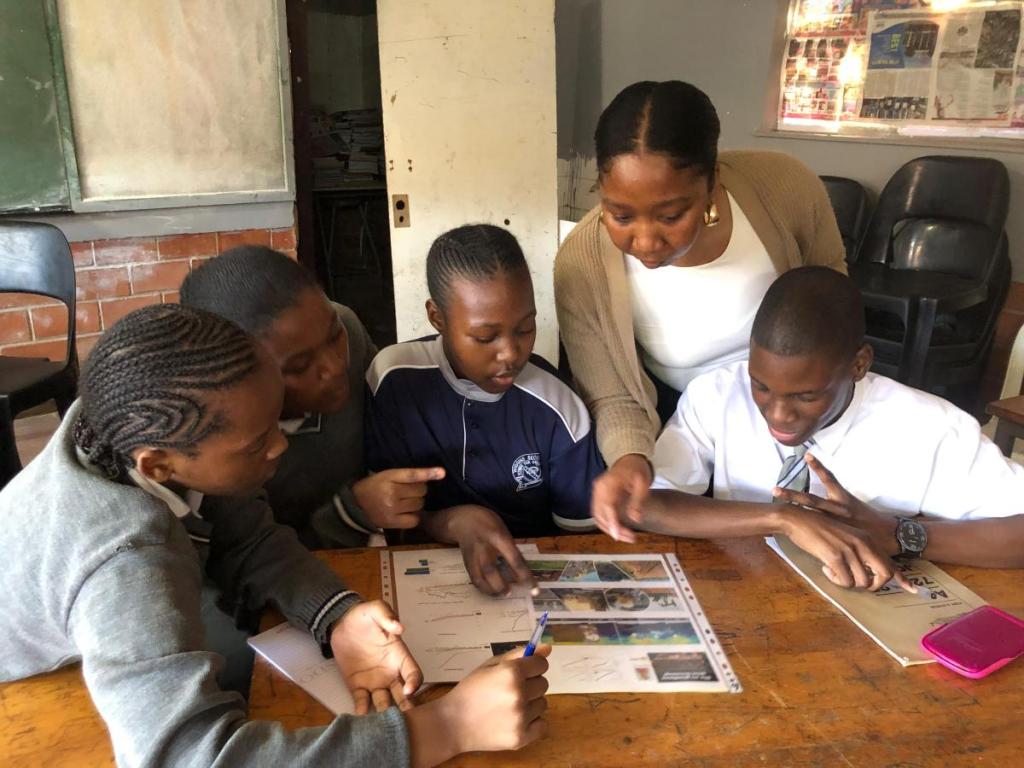
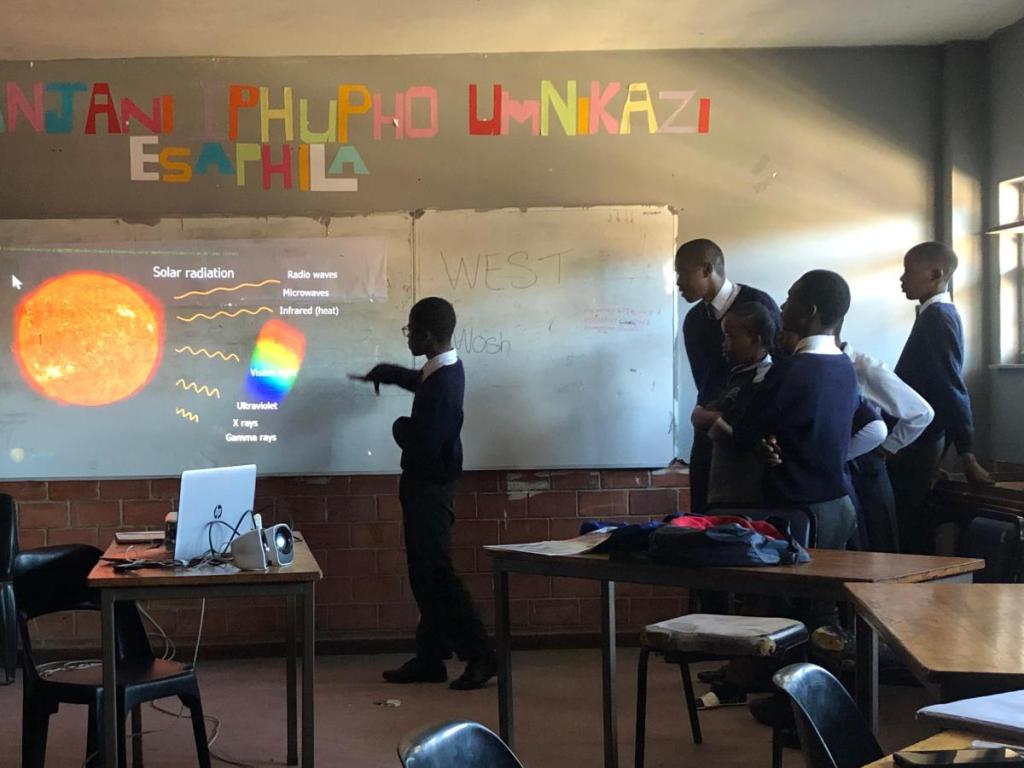

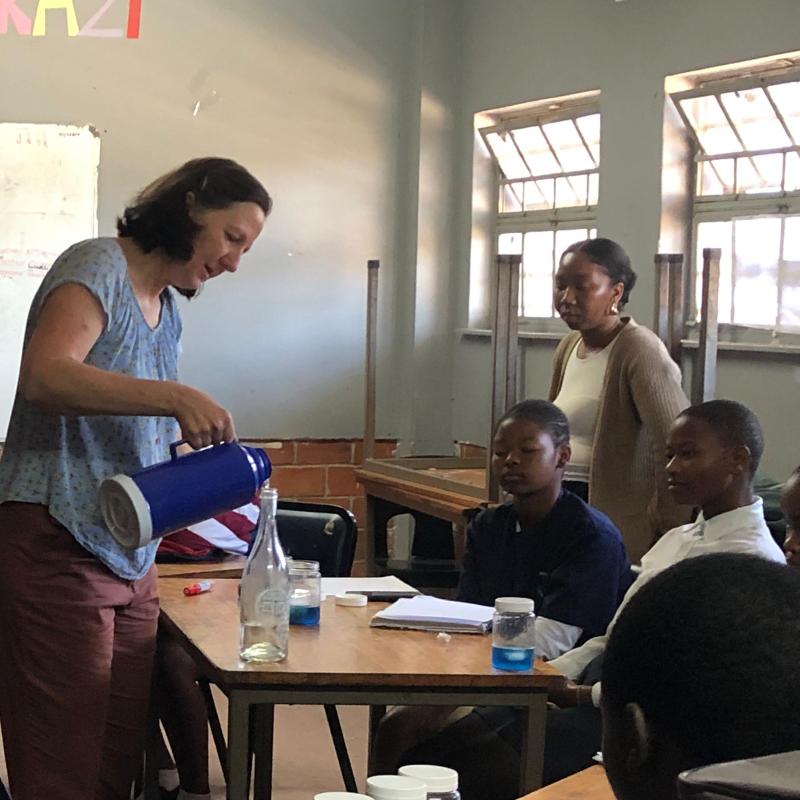
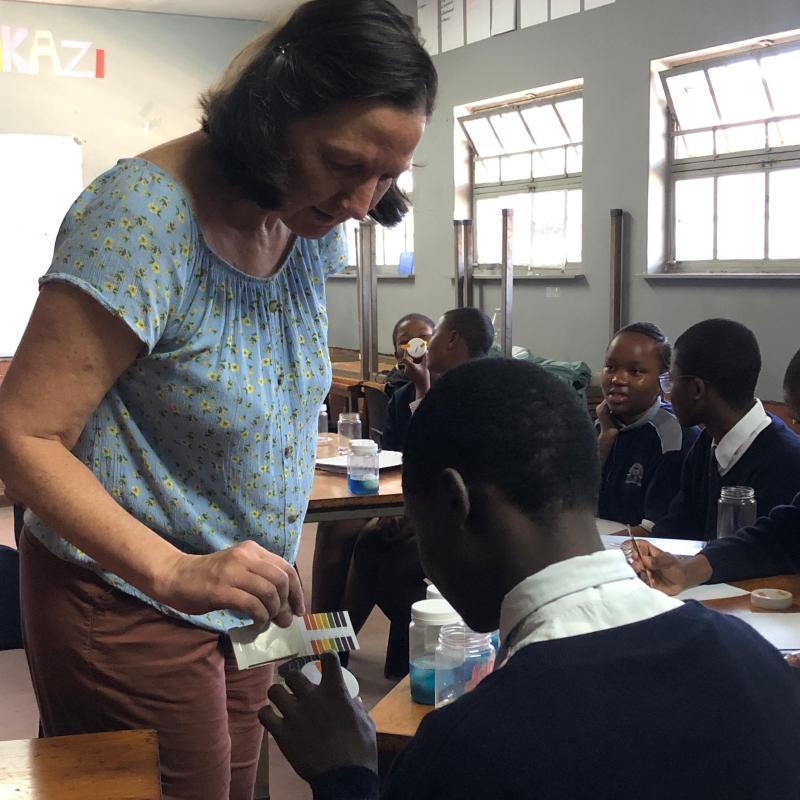


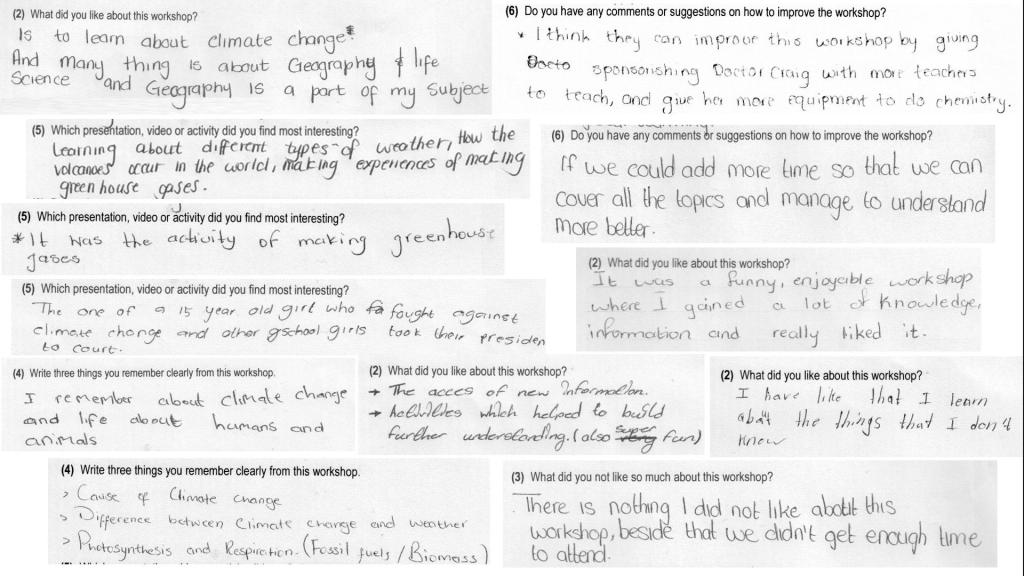
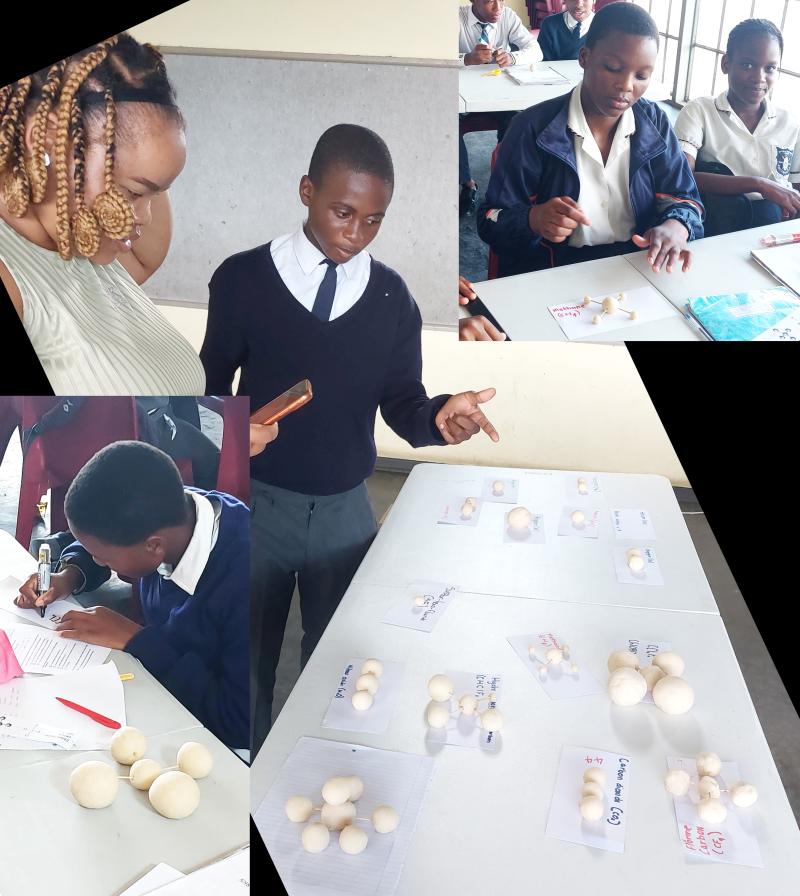

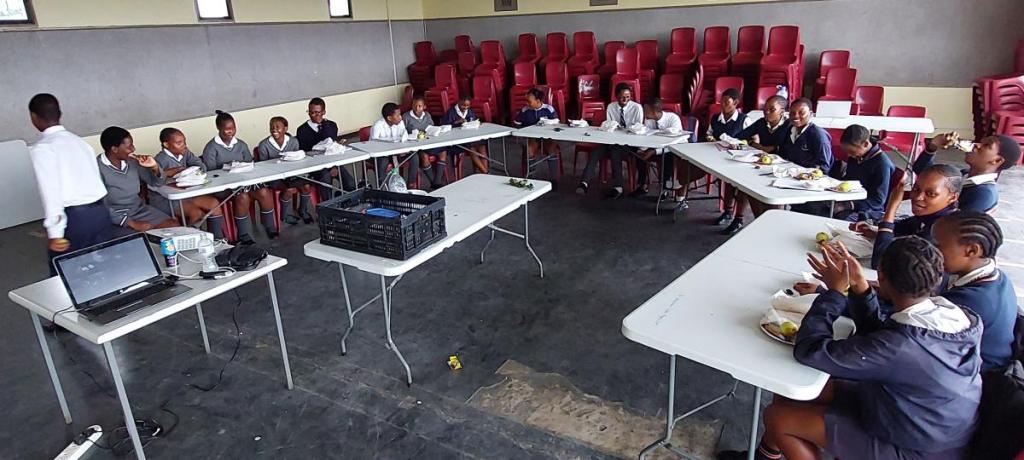


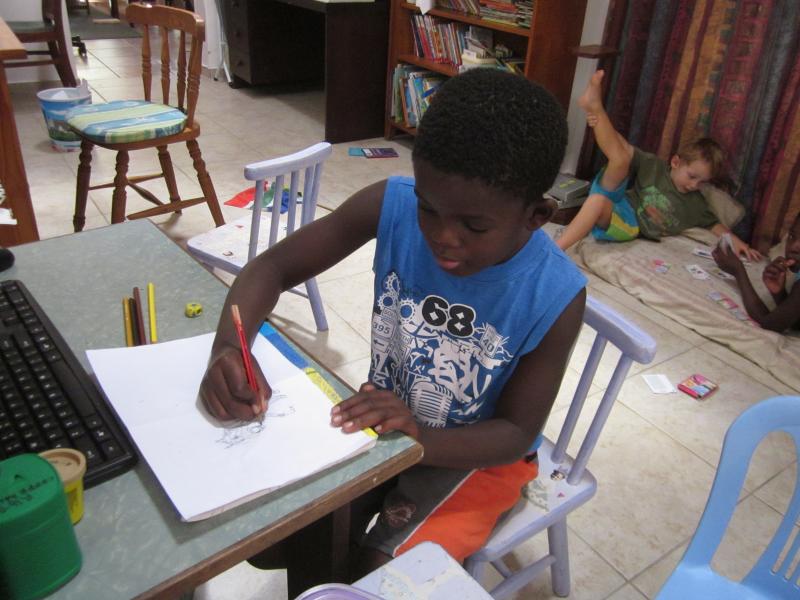




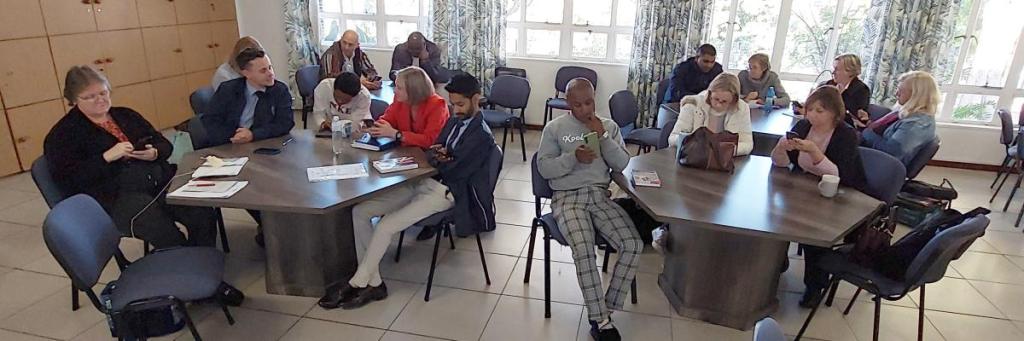


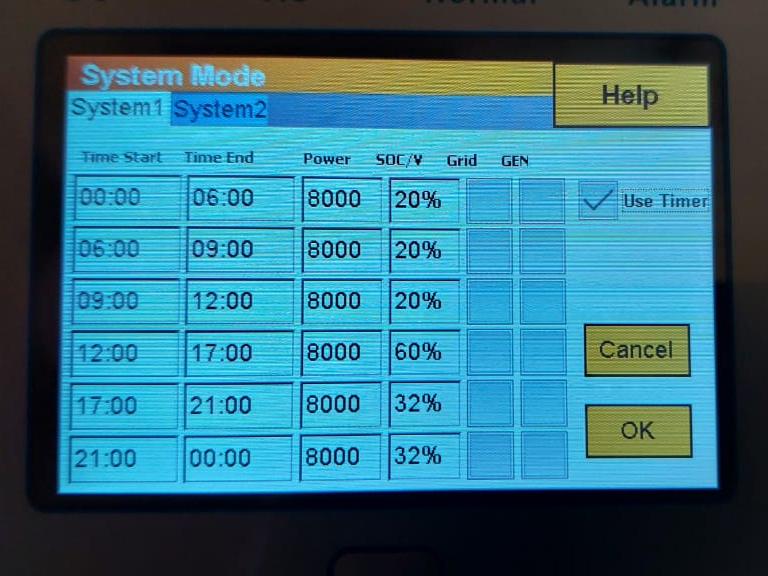
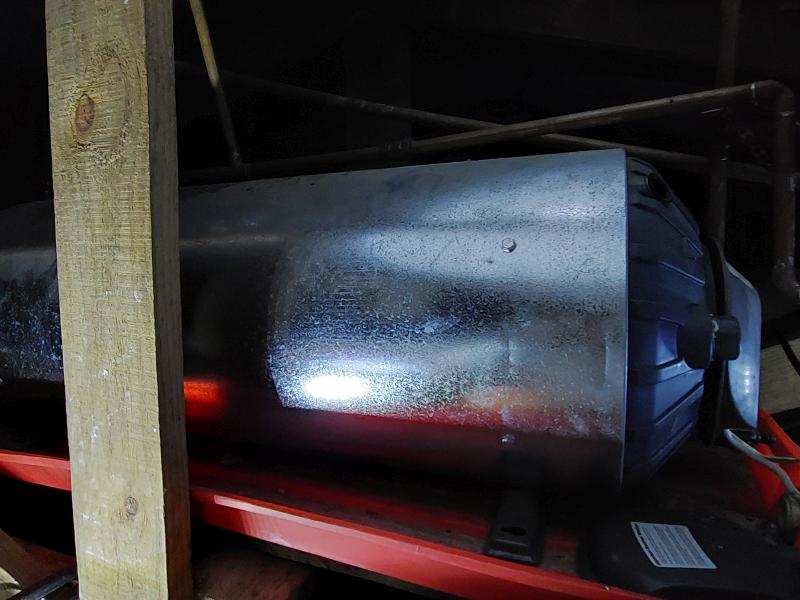

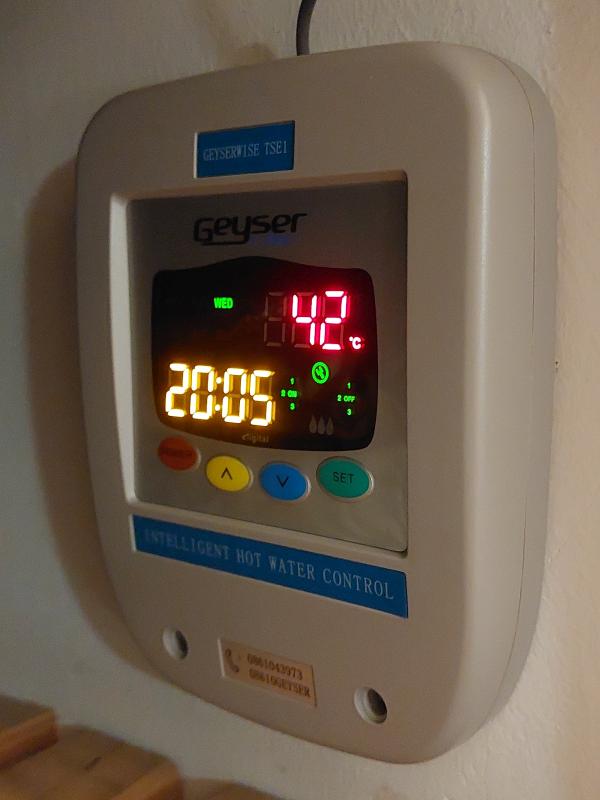


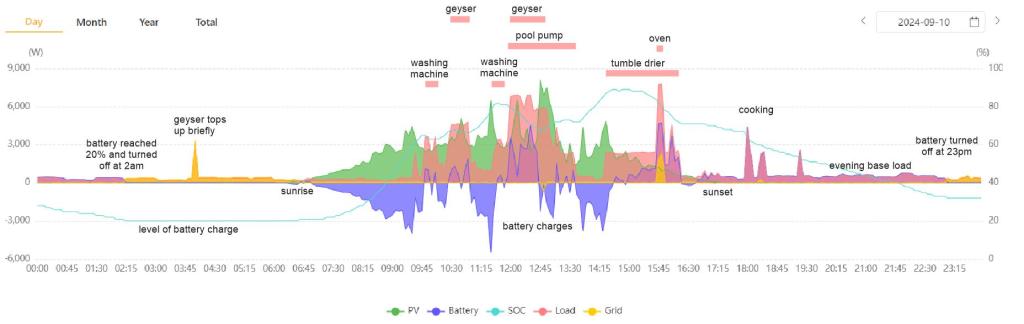





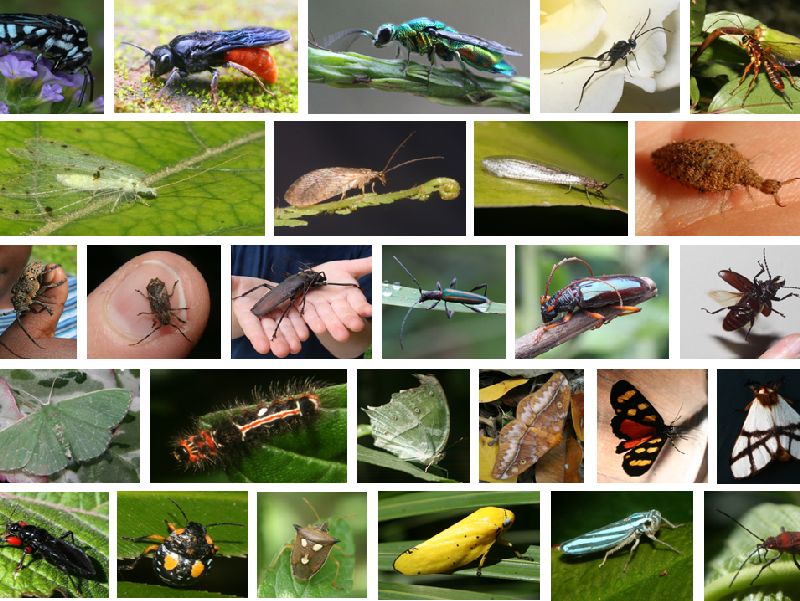


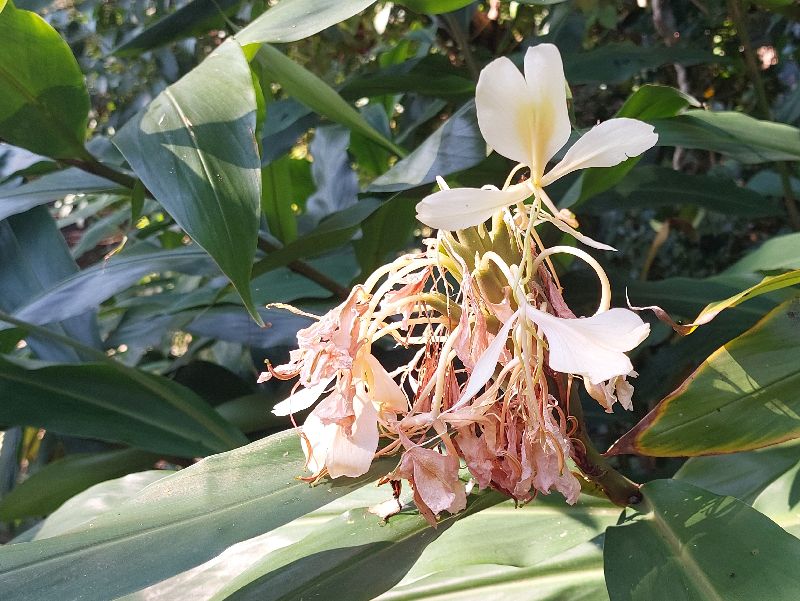

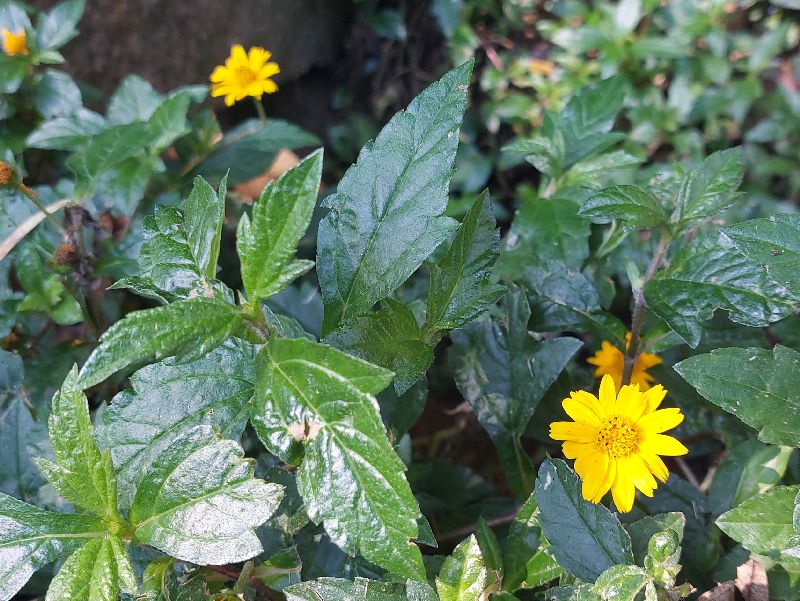

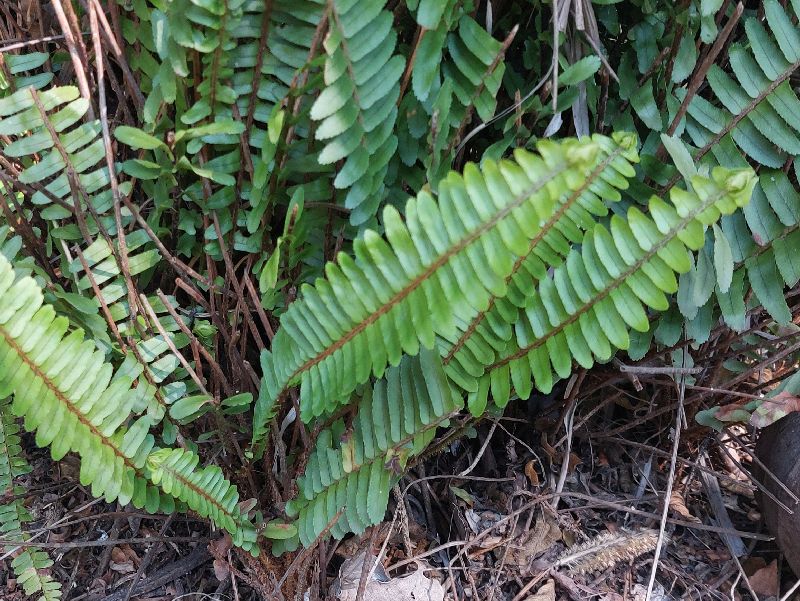


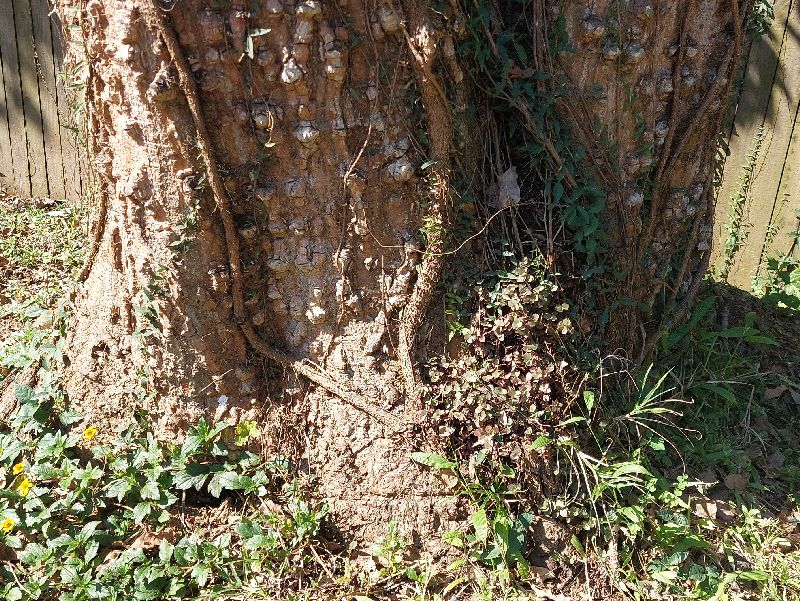


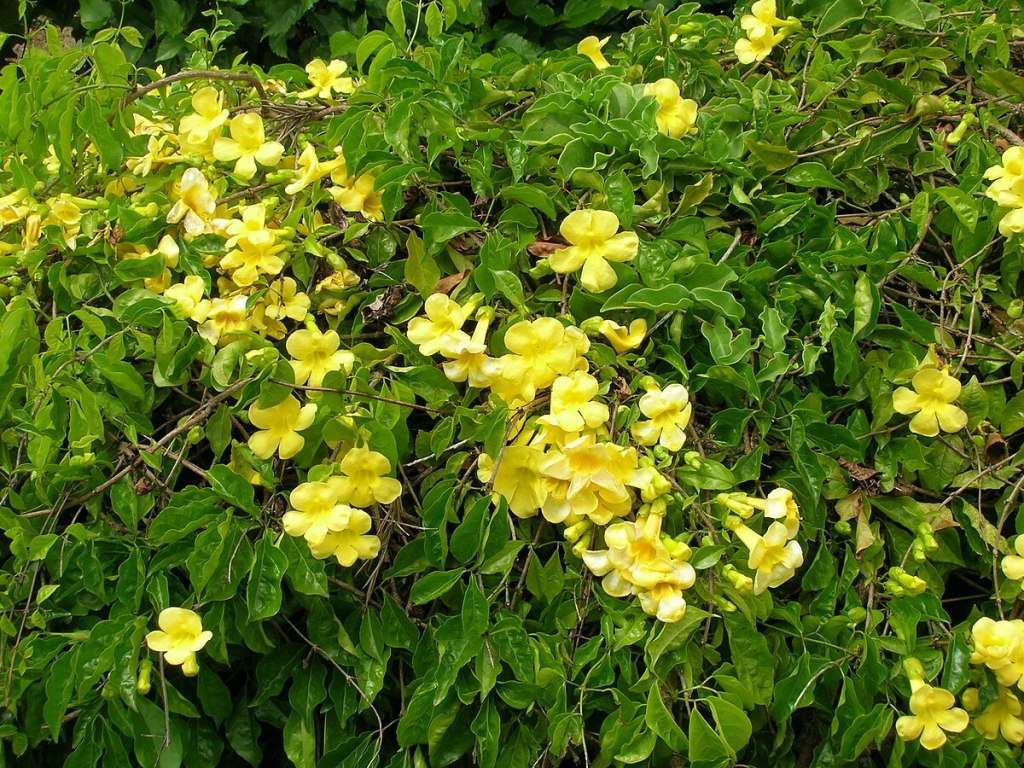


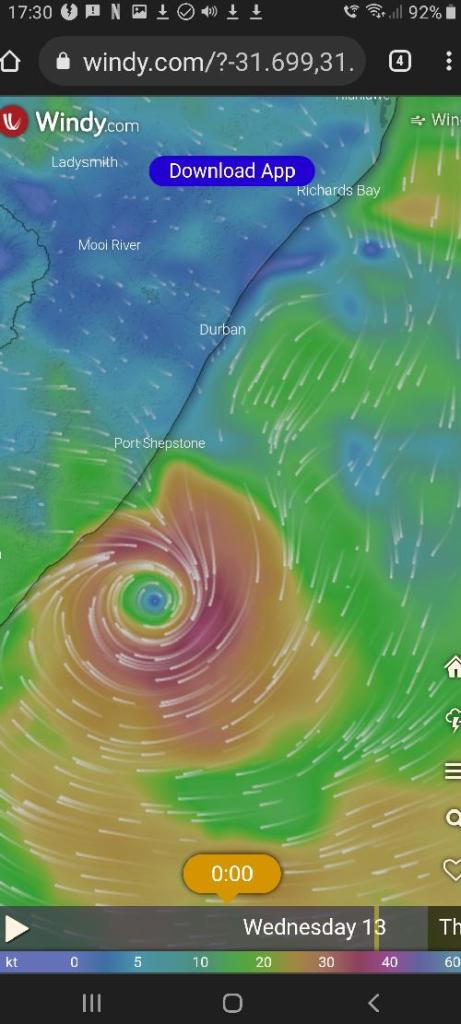
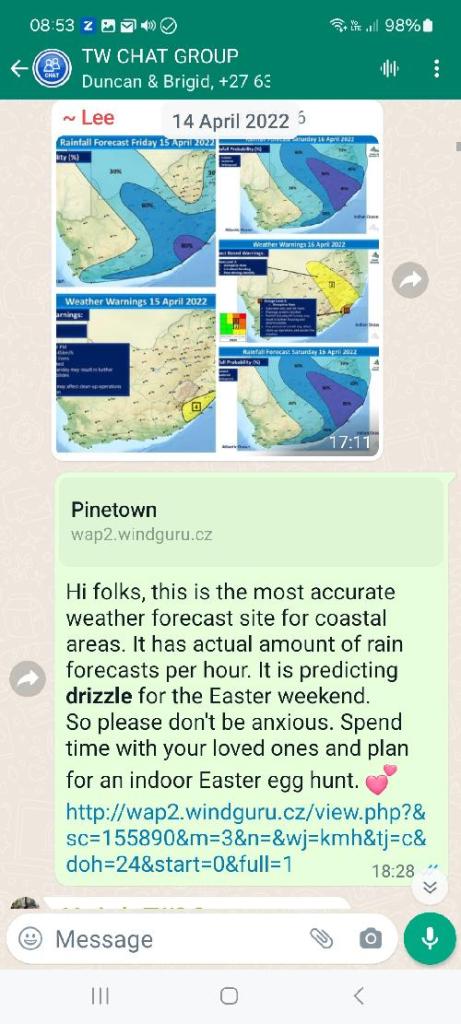

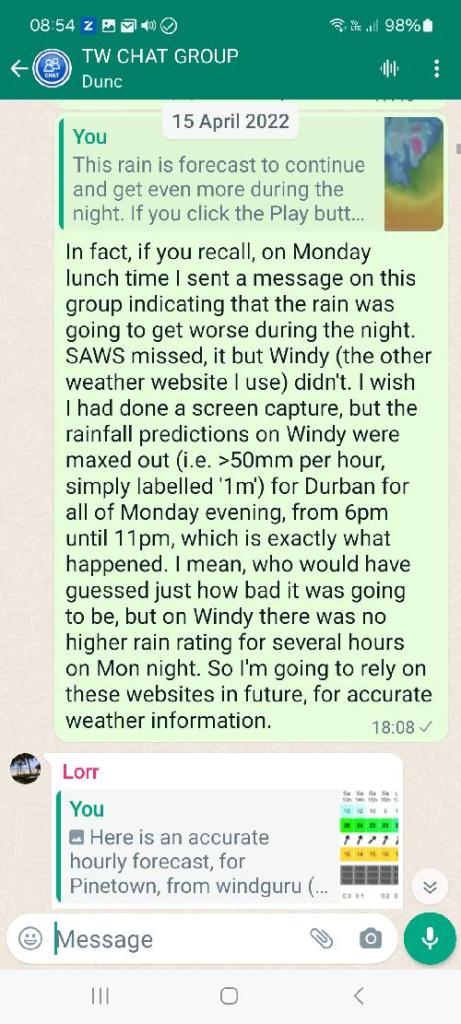
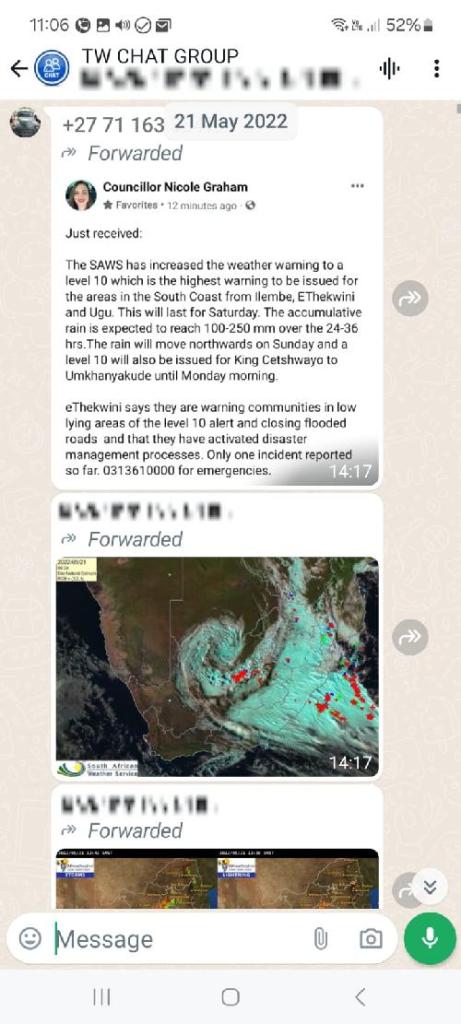


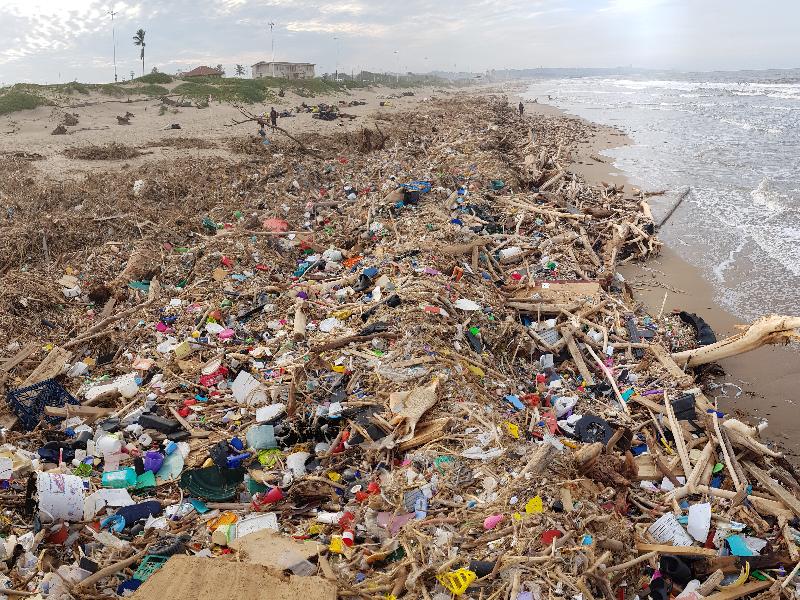




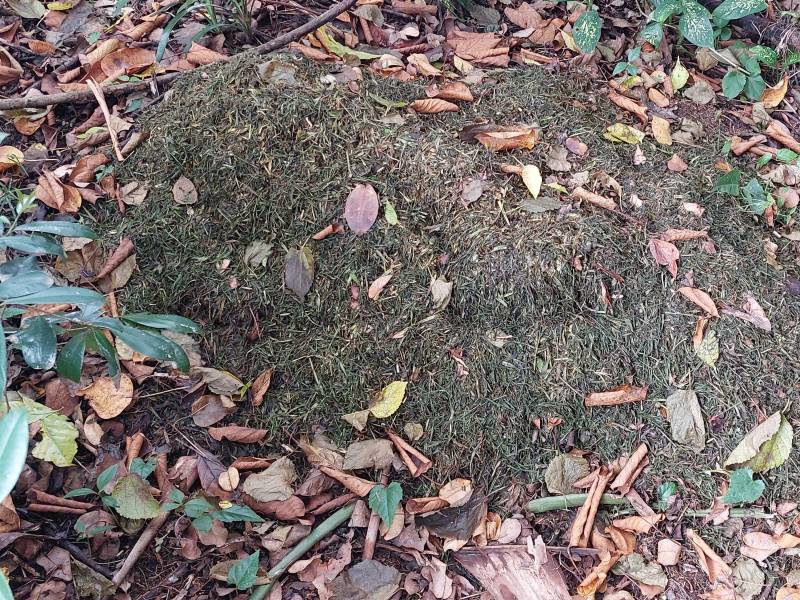

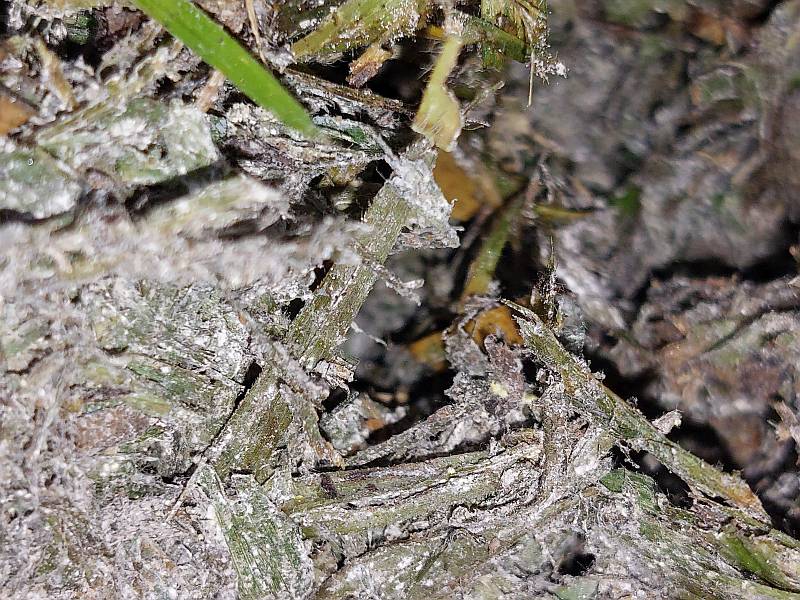


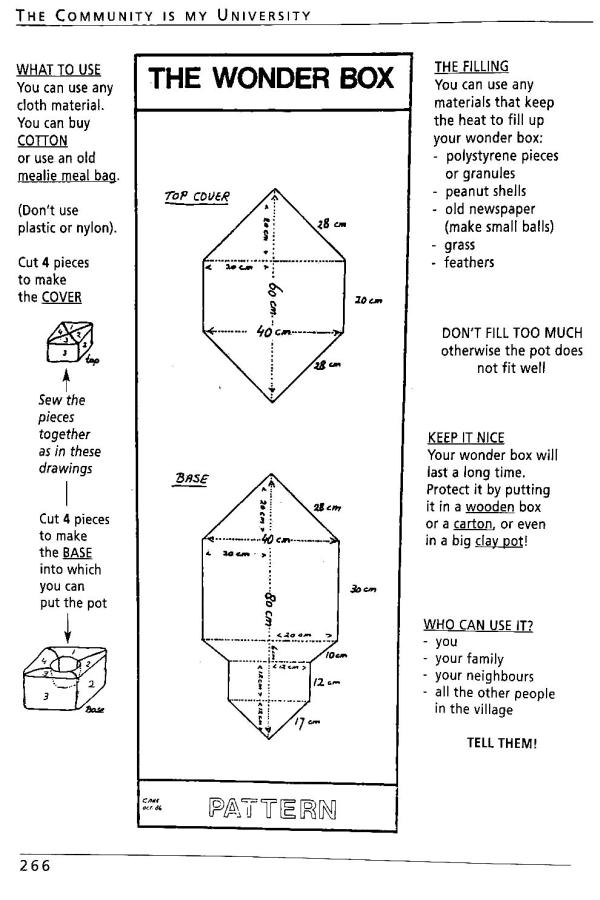
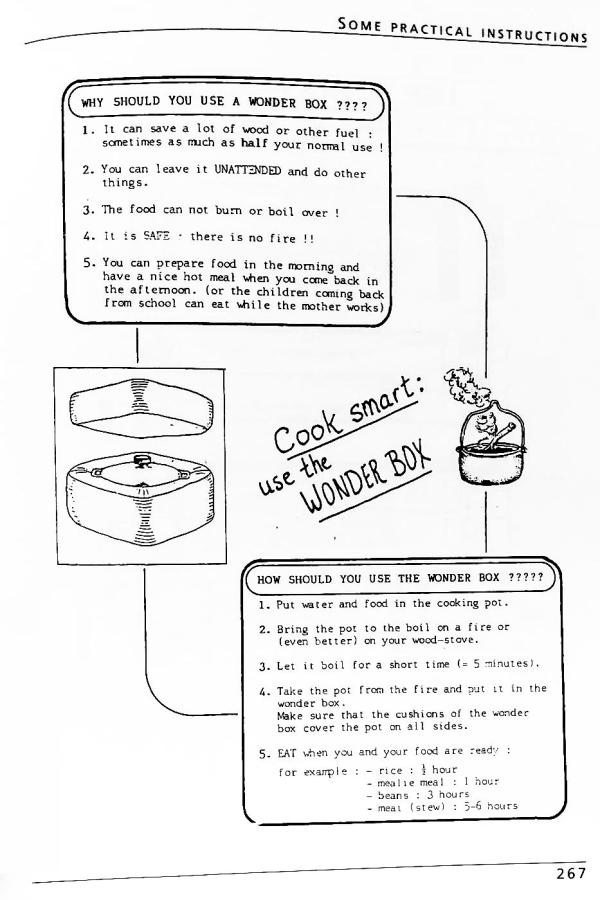

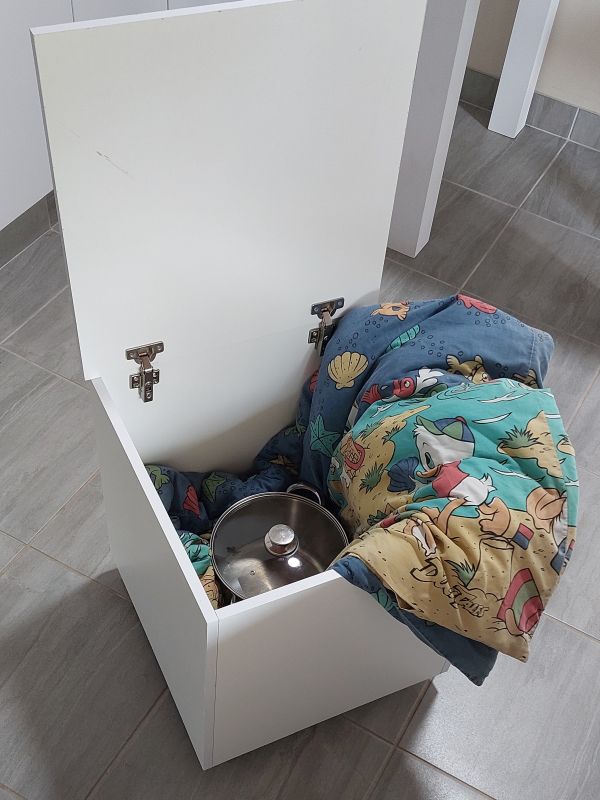




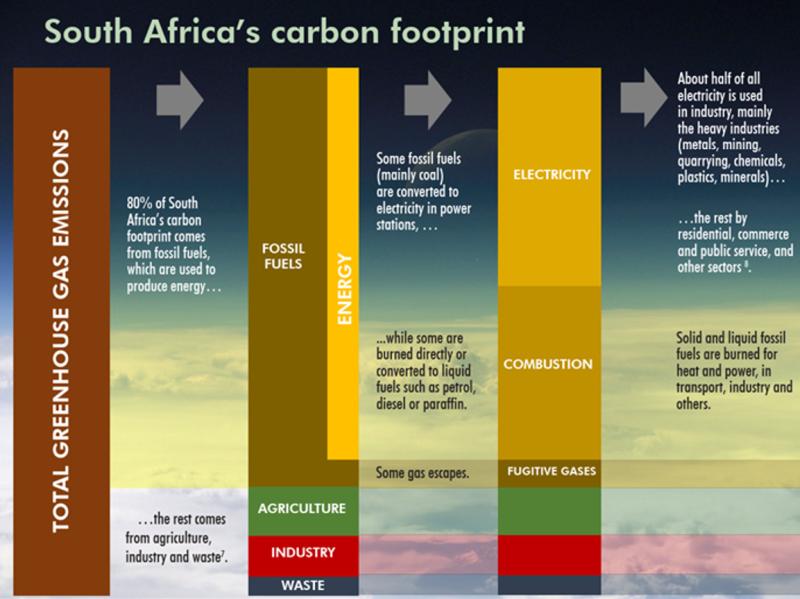


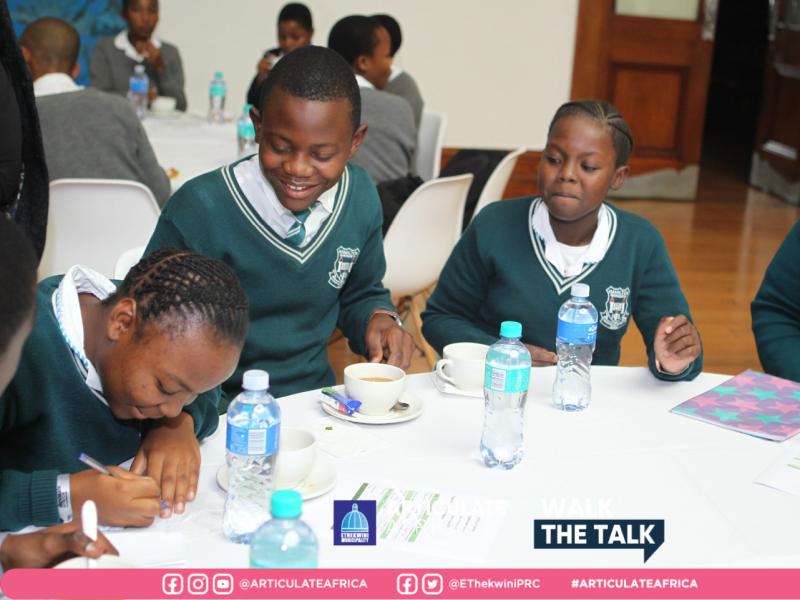
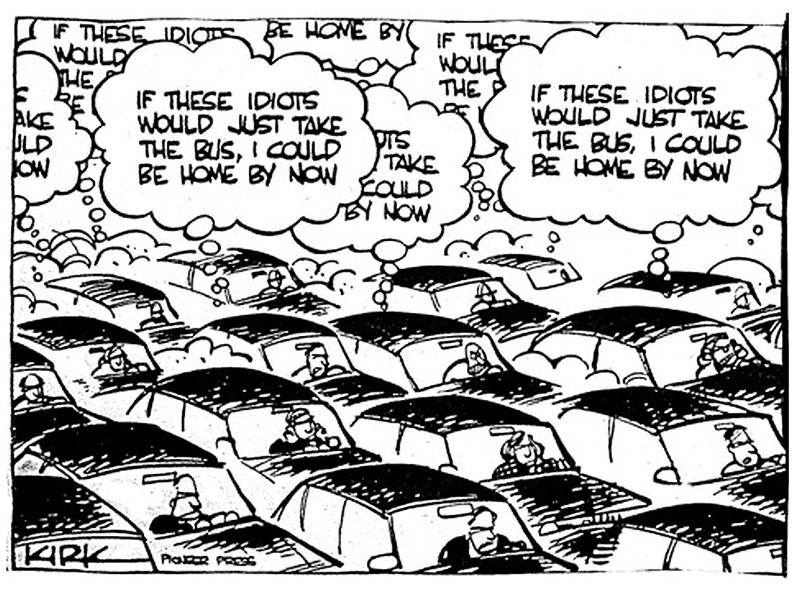


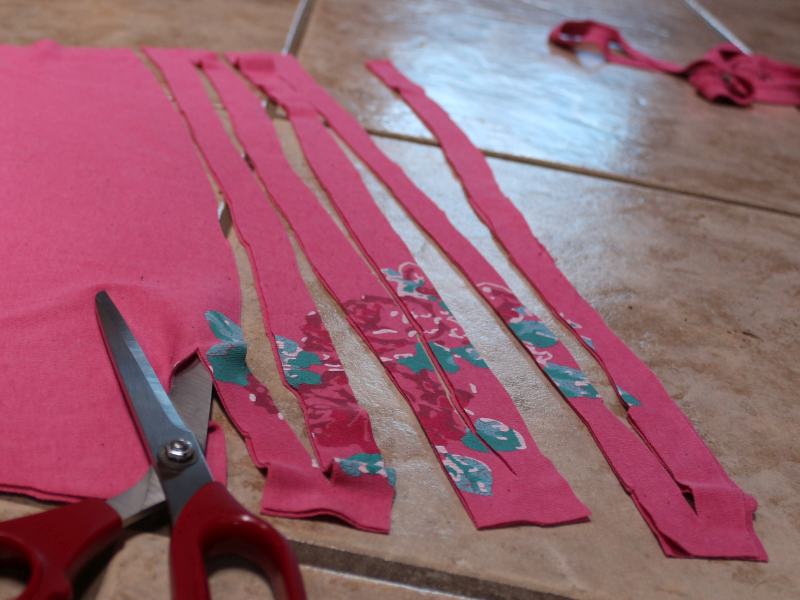


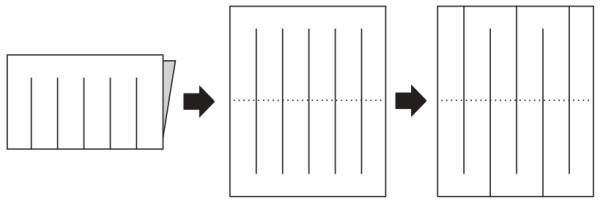
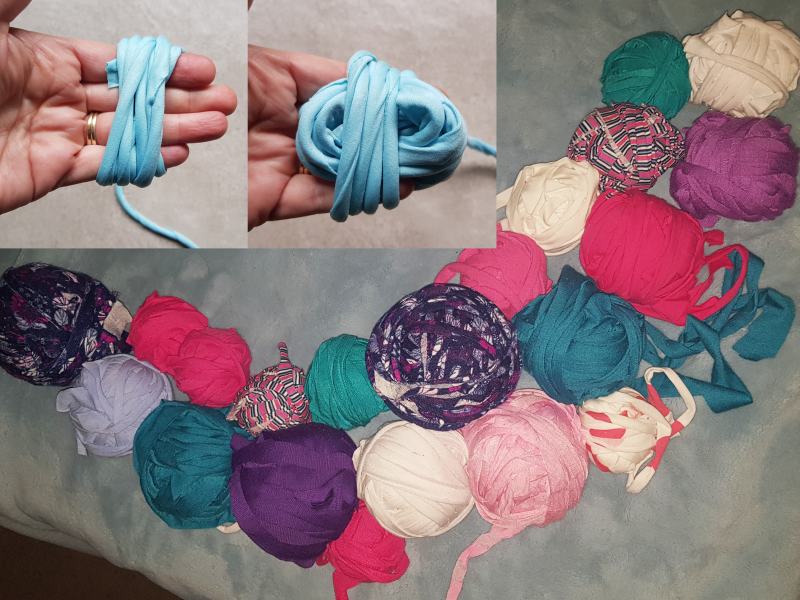


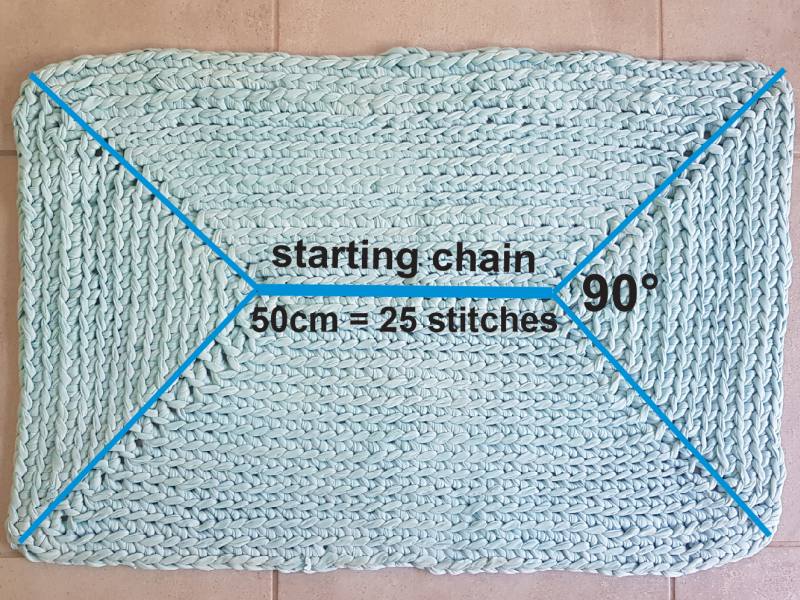




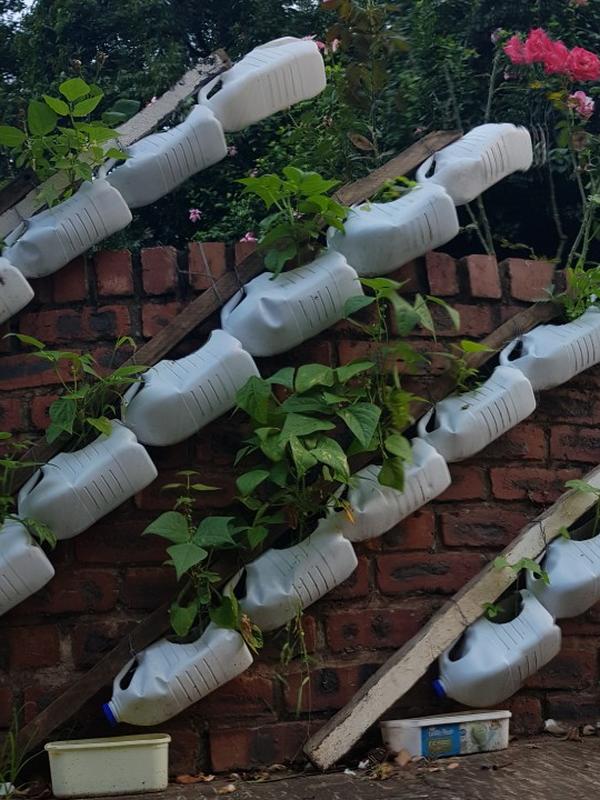
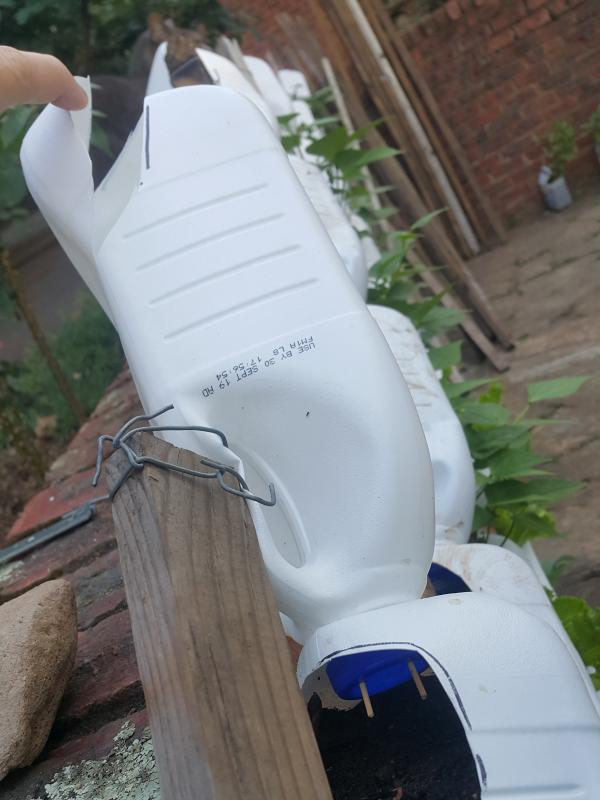


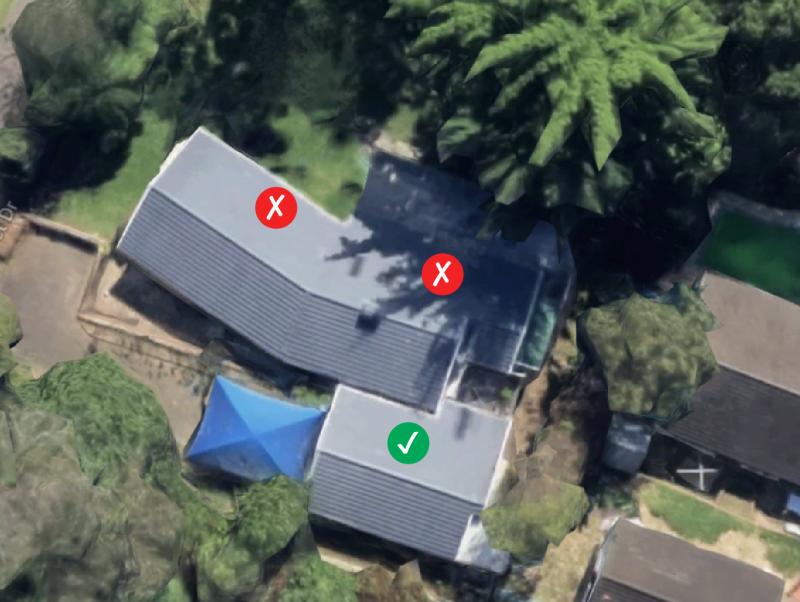
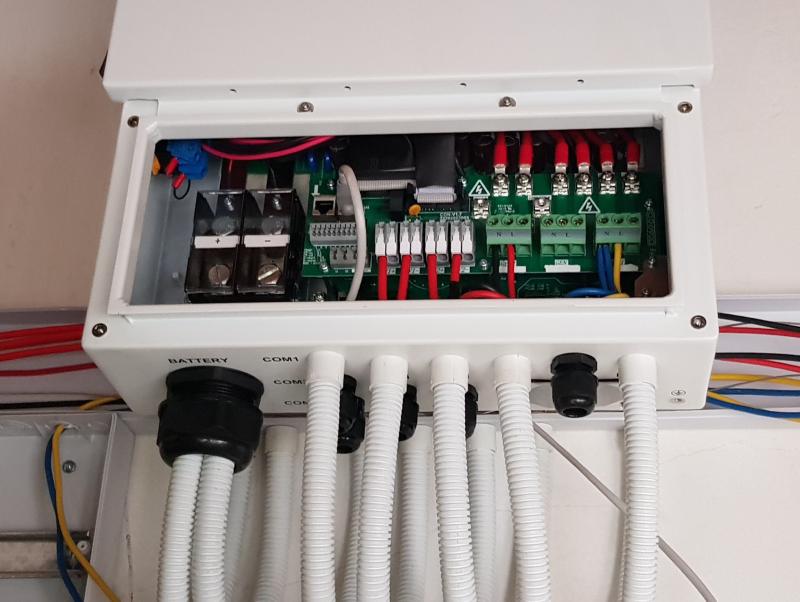

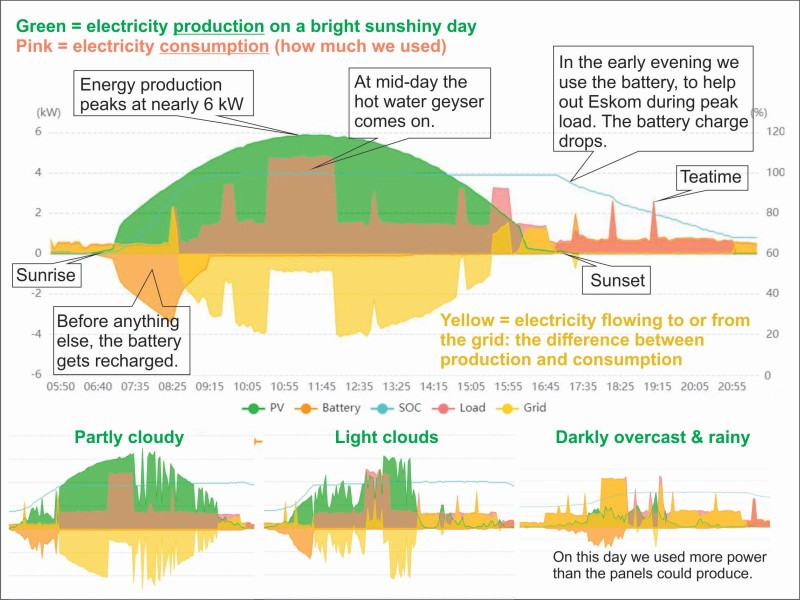
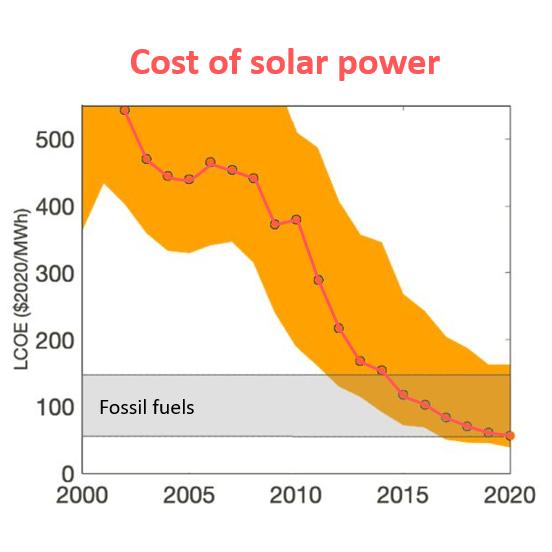
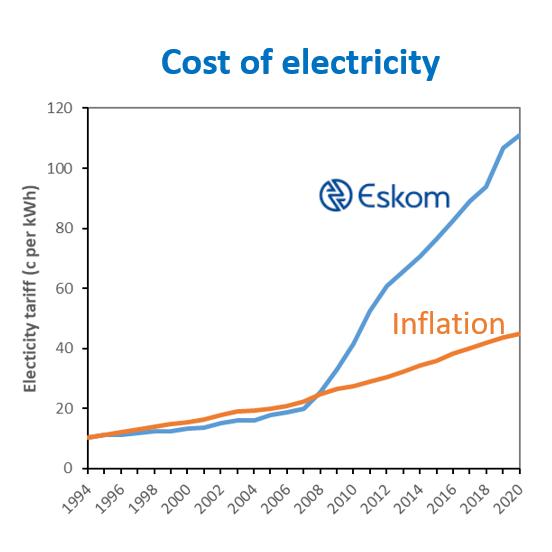


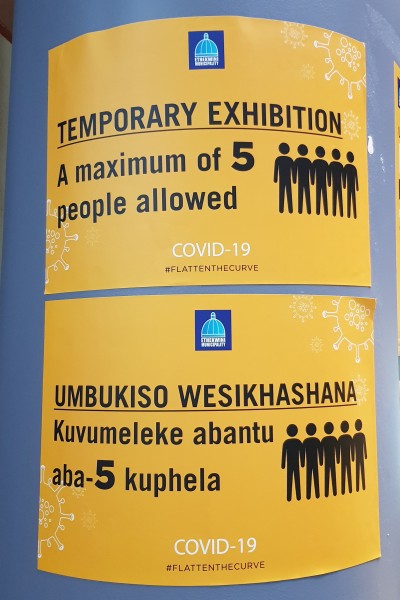
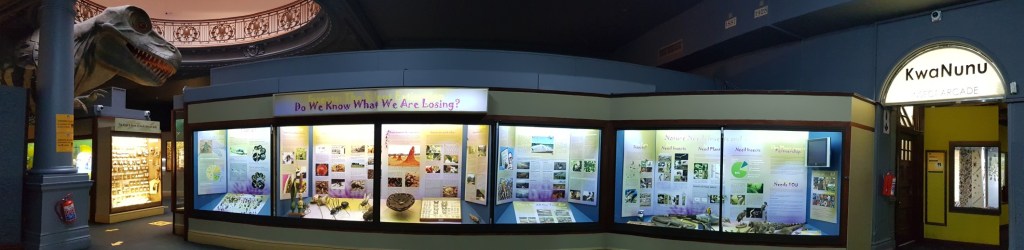
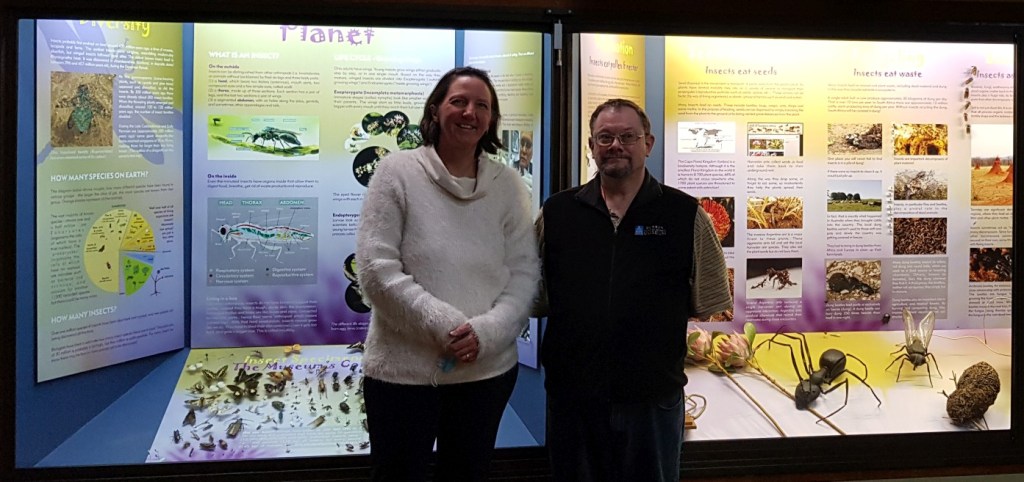


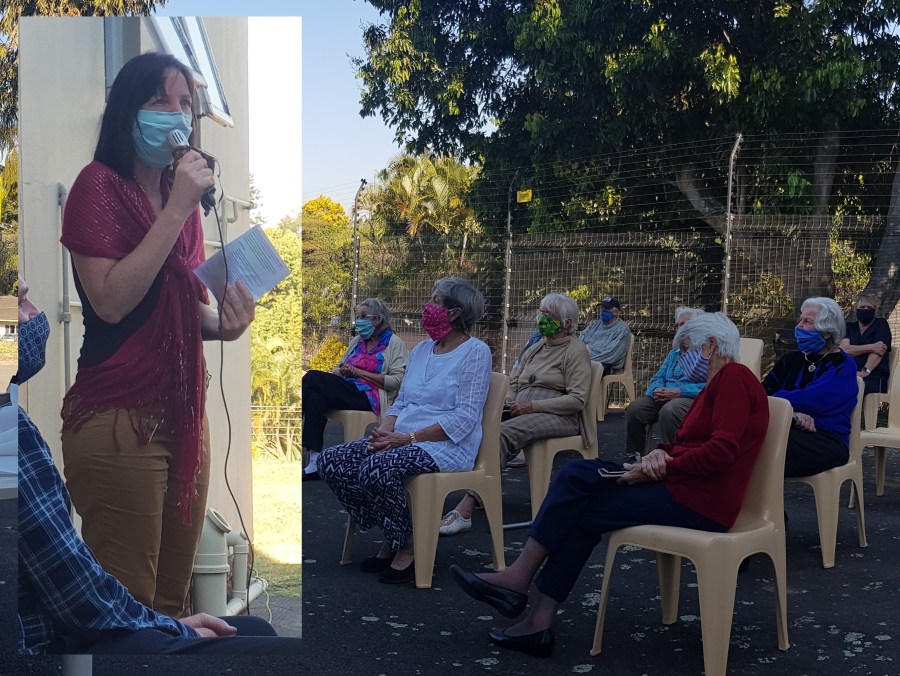


 What a wonderful topic: the endless variety of life forms and living spaces.


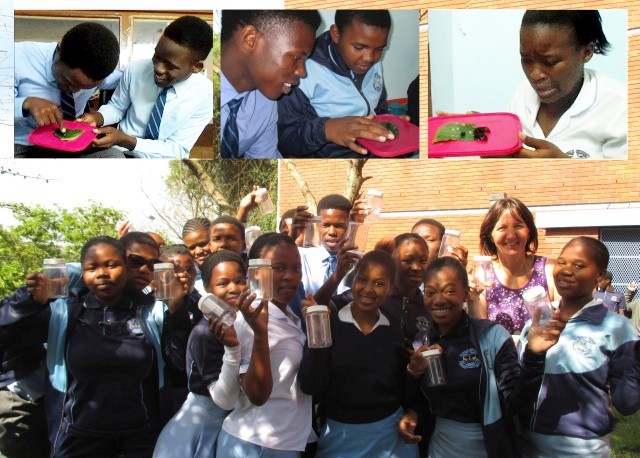


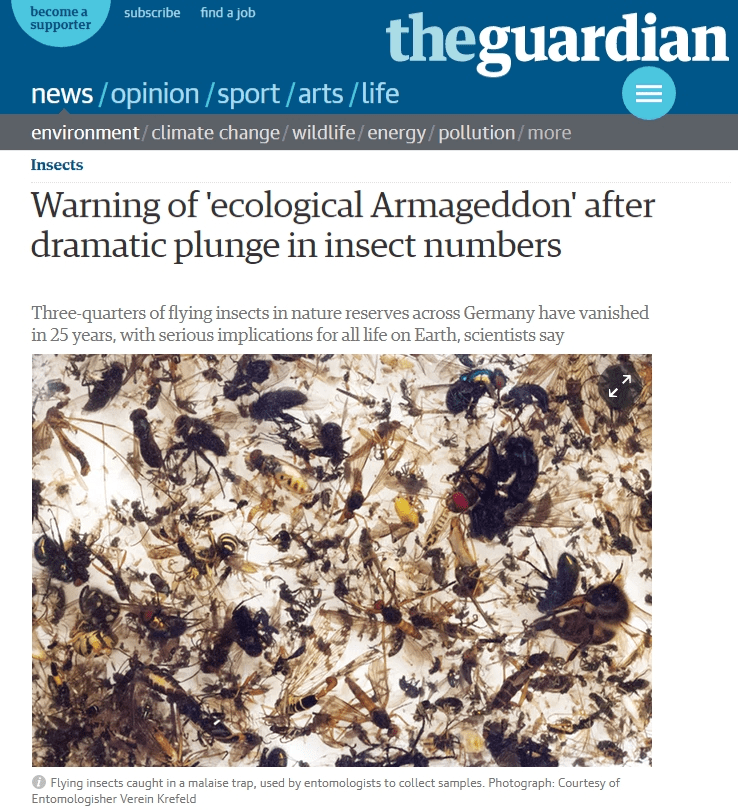


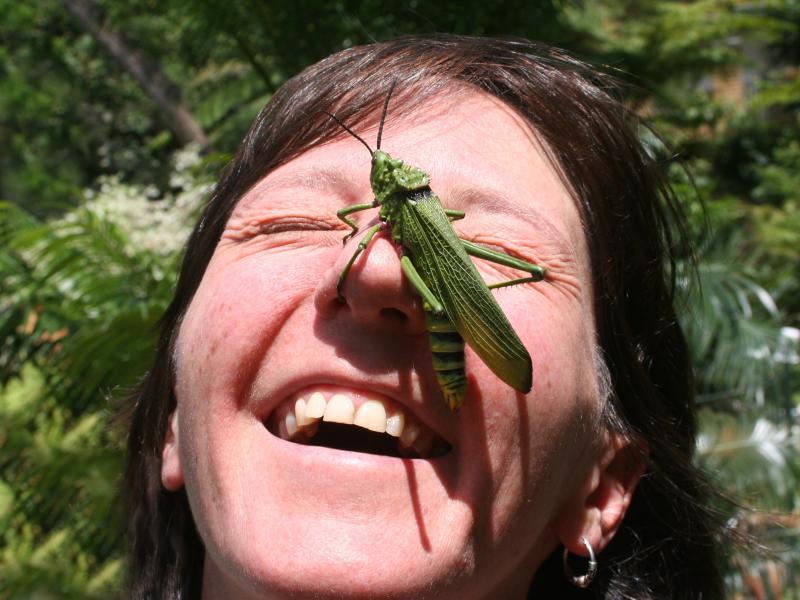

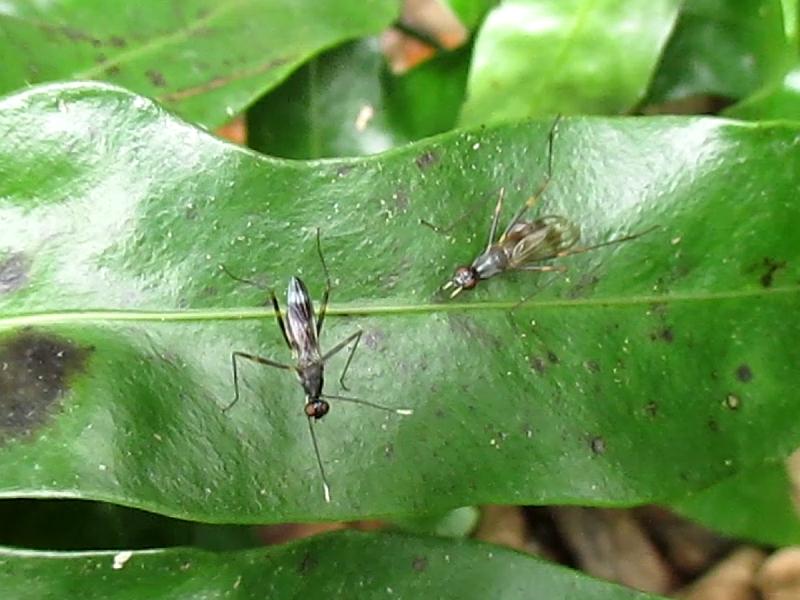
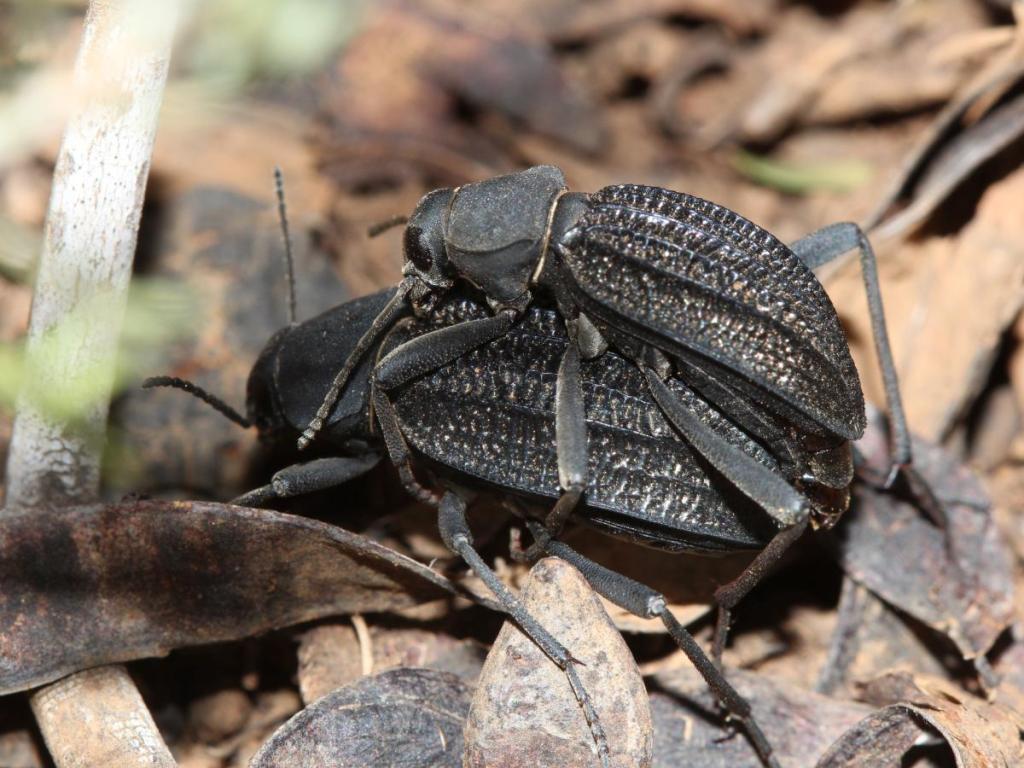




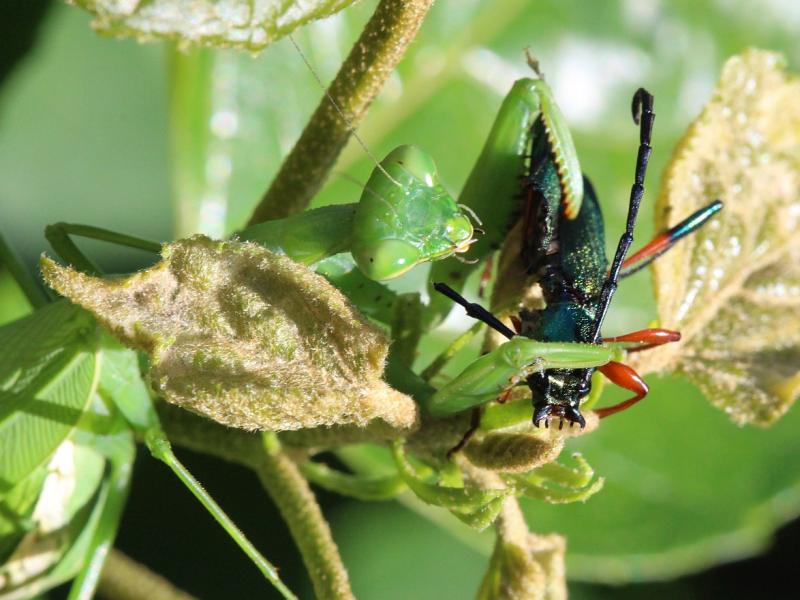


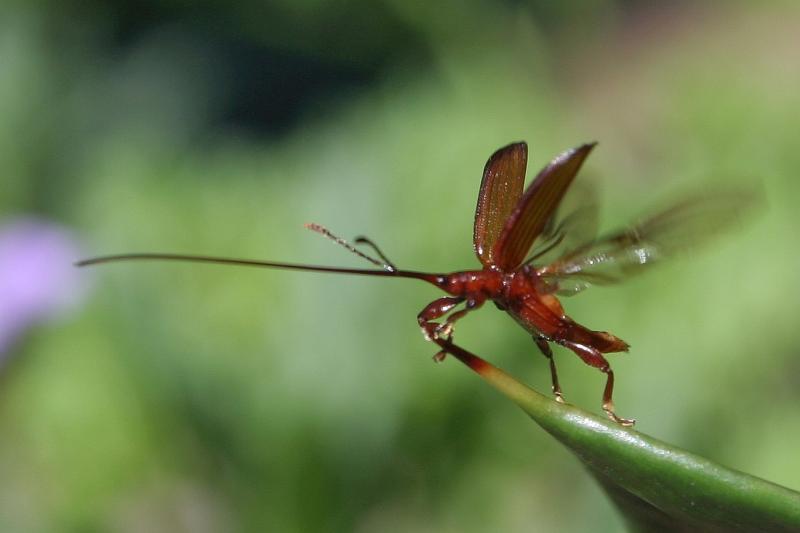
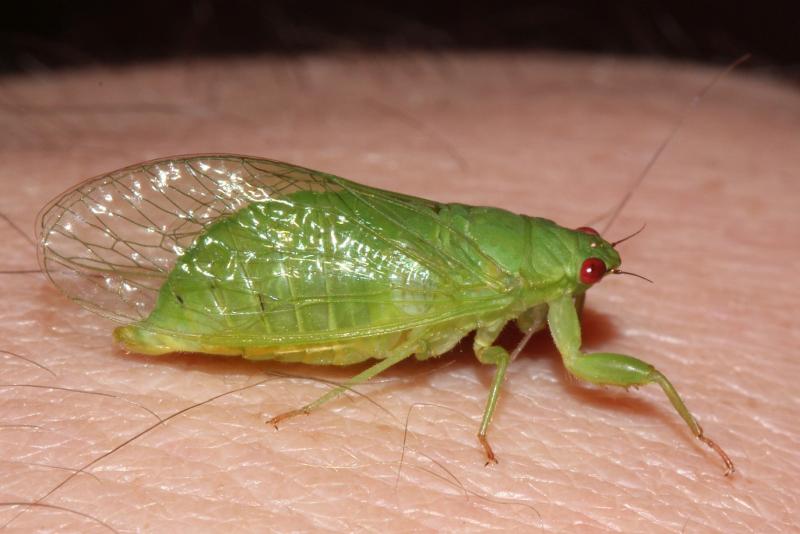


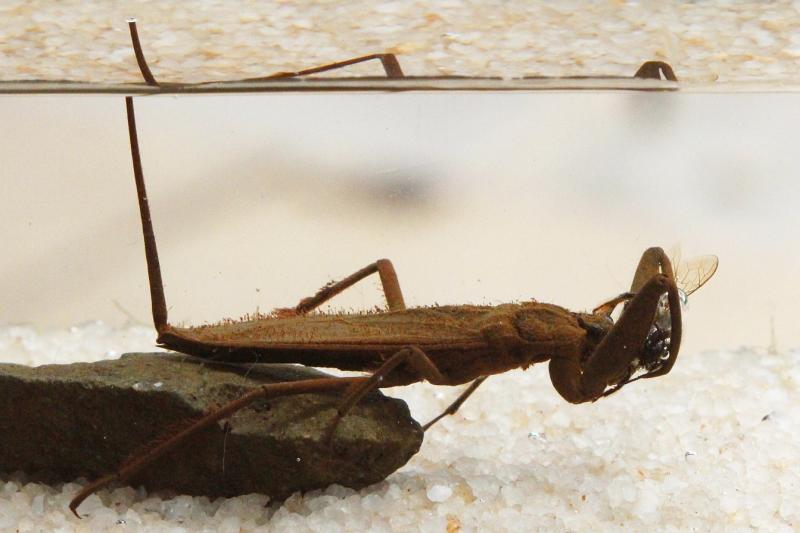


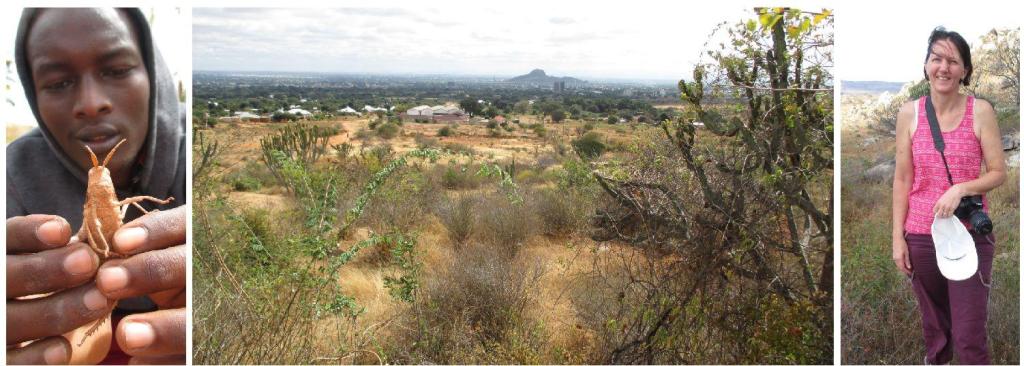

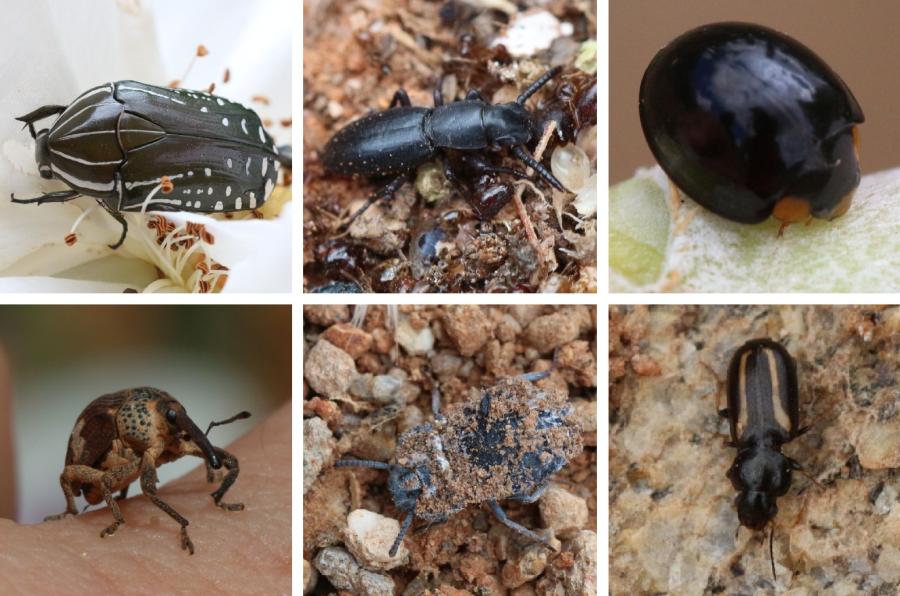

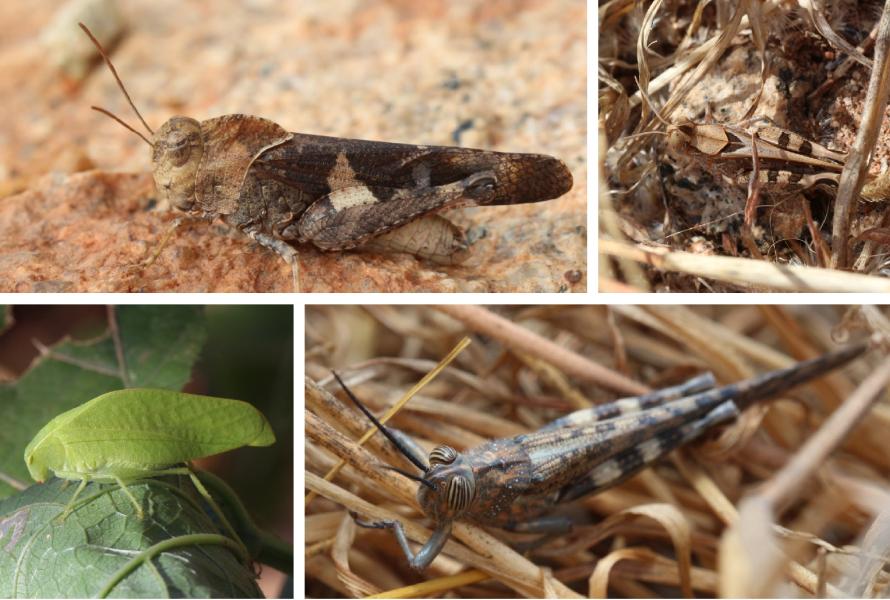
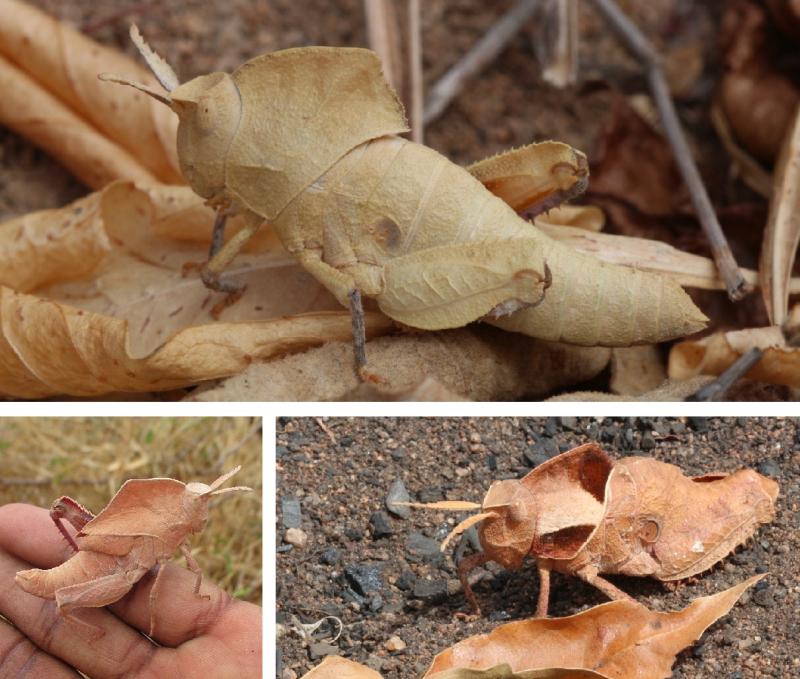
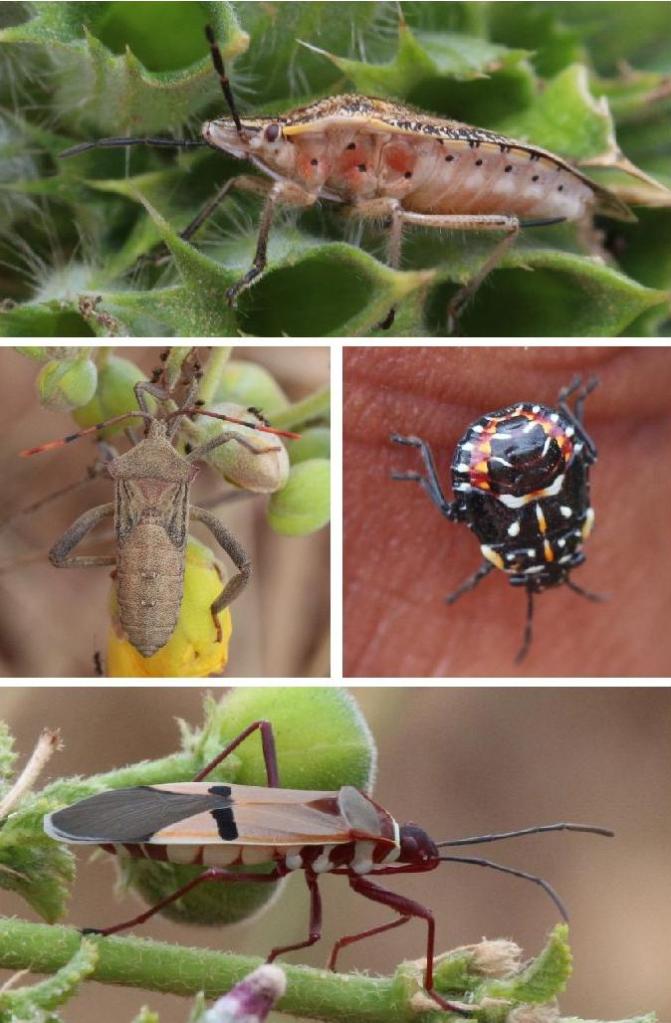


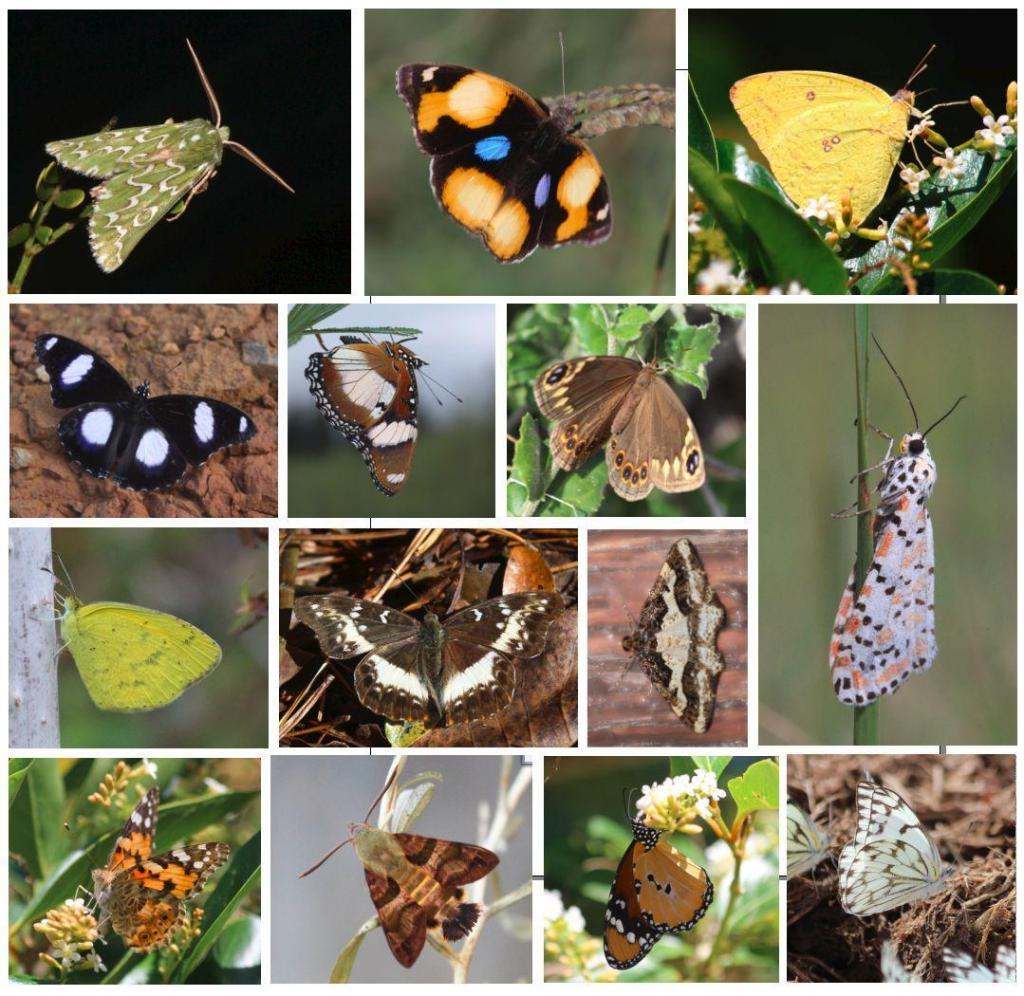
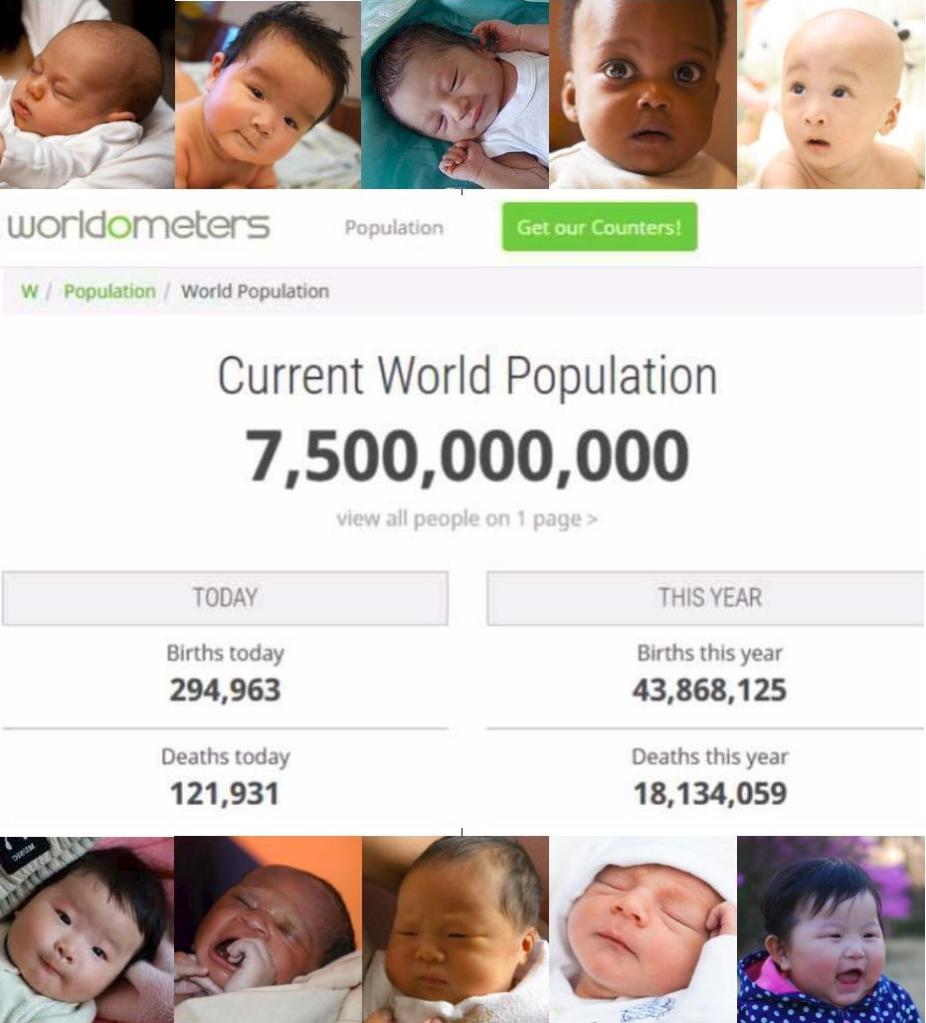


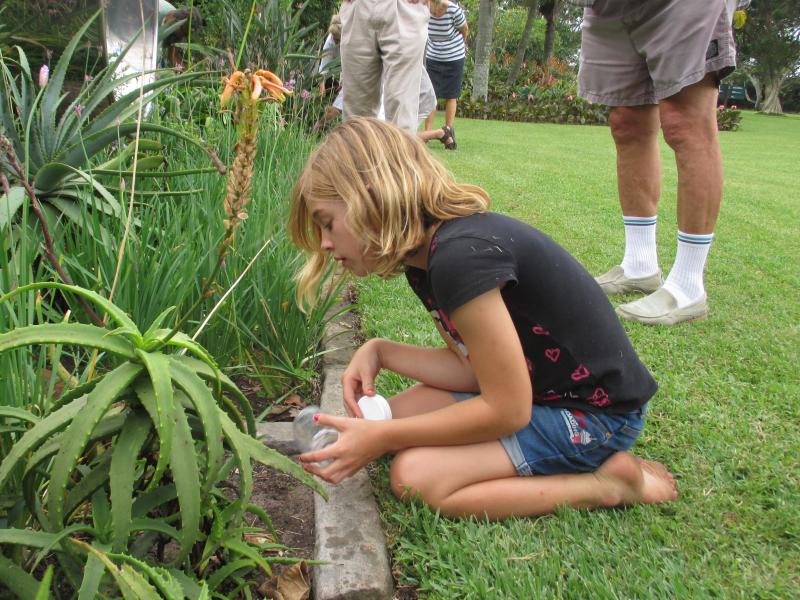
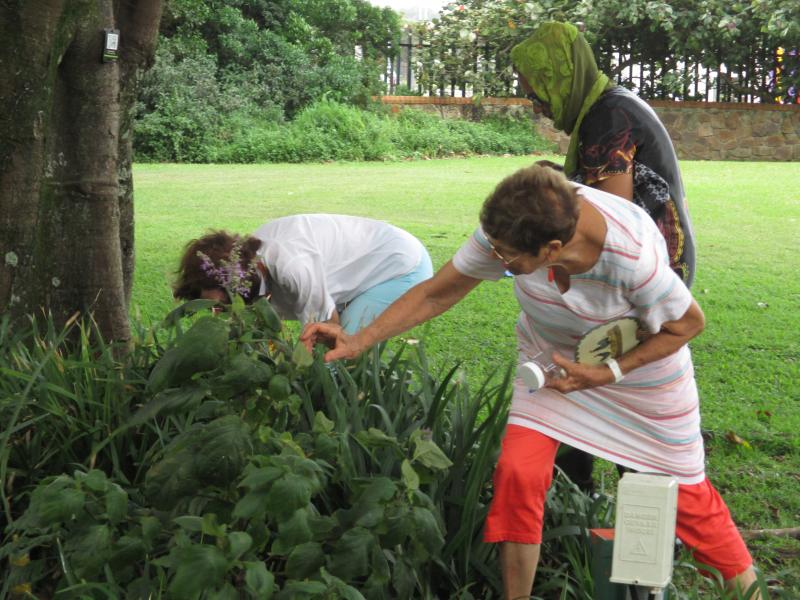

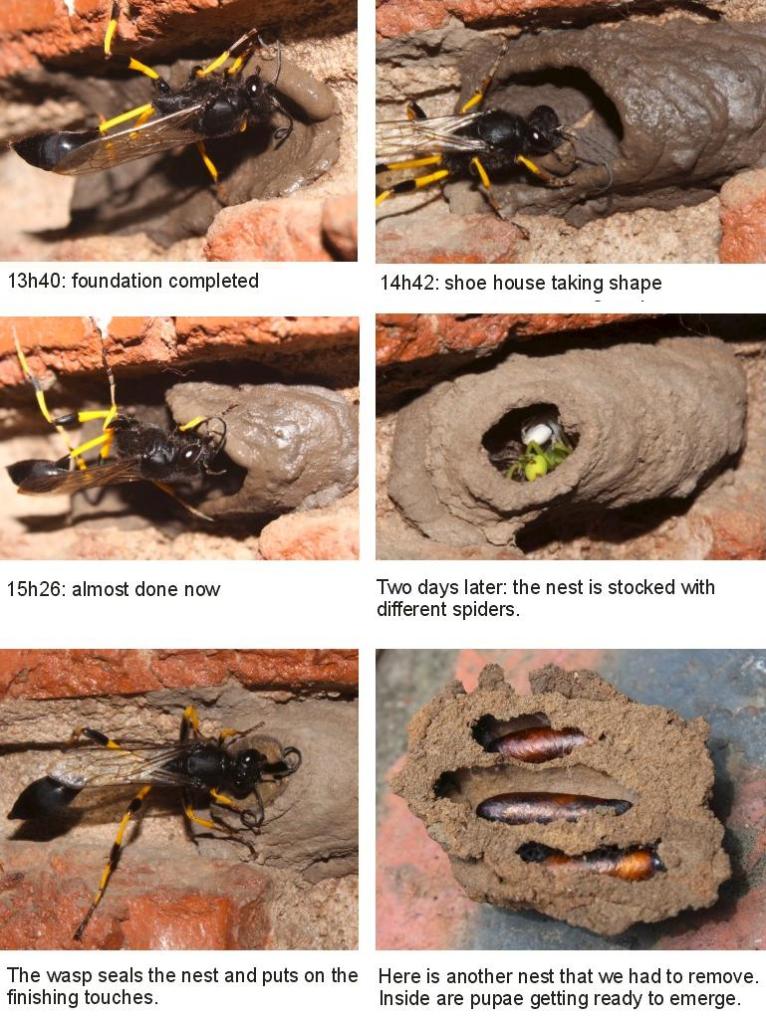

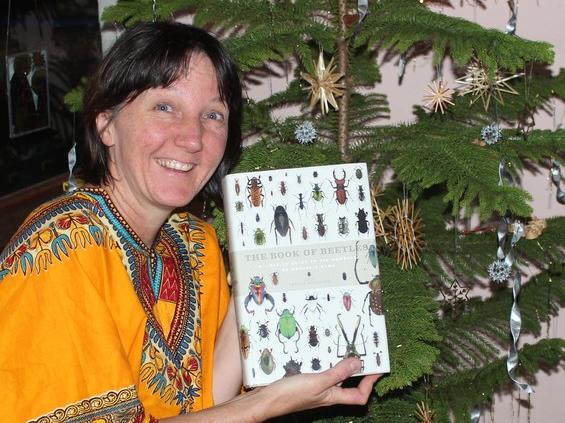
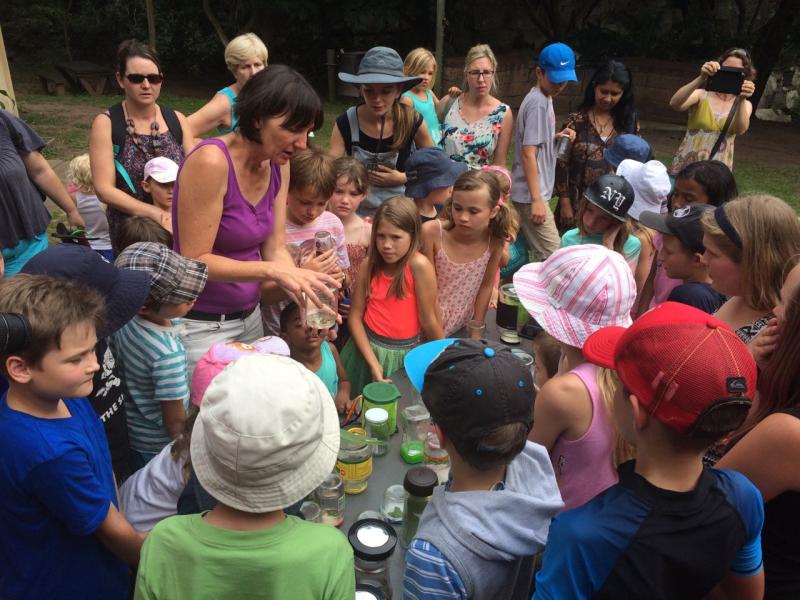
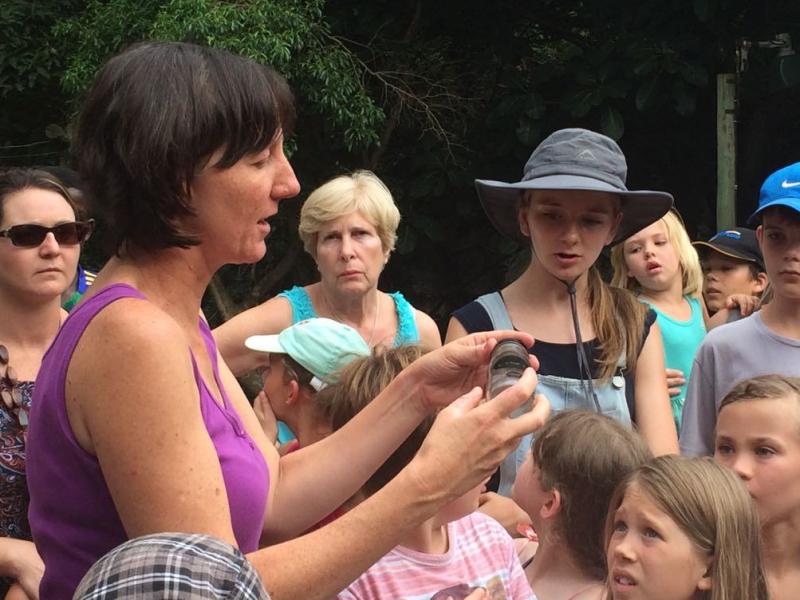
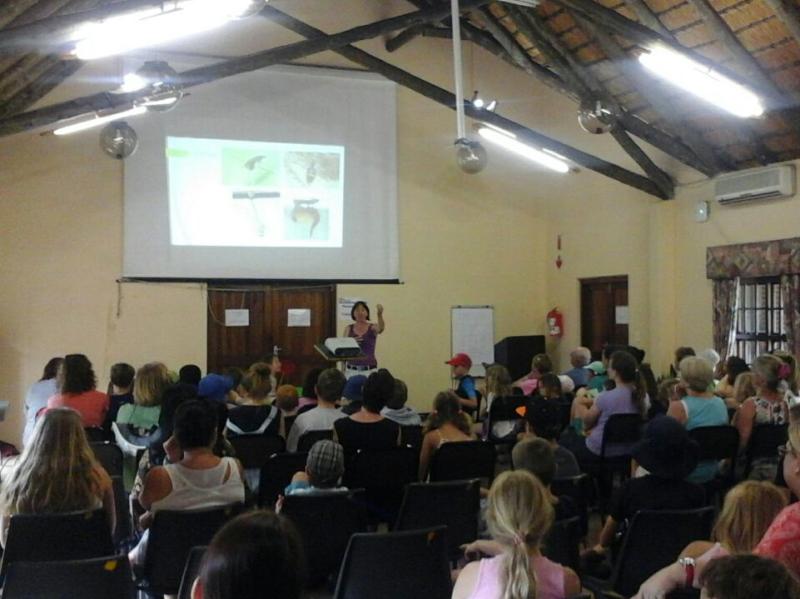
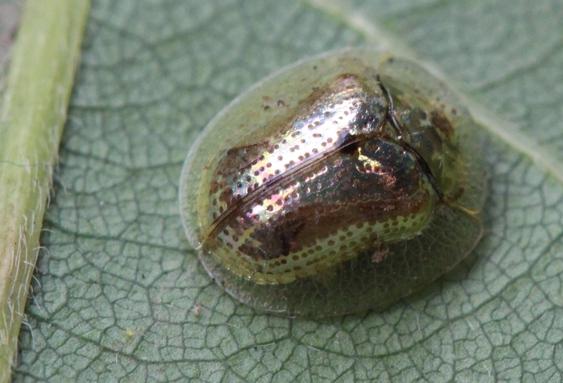


 EASTERaction