With arbour week coming up, this is the perfect time to share the fourth and final instalment on the temporary insect exhibition, which went up at the Durban Natural Science Museum back during the COVID pandemic.
The message is (spoiler alert): It’s all about plants!
This last article will cover the last major role of insects: being food for others. Then we ask: if insects are so important for the survival of nature as a whole, what do insects need to survive? How important are insects in nature, as a sum total of all the roles they play? And what is our role in all of this?
The focus of this edition of Leopard’s Echo is ‘endangered species’. This is a good opportunity to share the third instalment on the temporary insect exhibition, which went up at the Durban Natural Science Museum back during the COVID pandemic. It was entitled, “Insects: the silent extinction”.
But first, I would like to introduce a group of insects that are particularly endangered in this modern world of industrial scale agriculture, pollution, environmental degradation and climate change: mayflies.
Mayflies
Order Ephemeroptera is an ancient group, the most primitive of flying insects, and one of three primitive orders of insects with aquatic nymphs – the other two being Odonata (dragonflies and damselflies), and Plecoptera (stoneflies).
Many organisms manage fine, or better, without eyesight, but nevertheless eyes are extremely useful. Eyes have evolved on at least 40 separate occasions, in different branches of the animal family tree. On one of those occasions, around 500 million years ago, the early insect/crustacean branch gained their eyesight.
Today, please join me on a quick tour of insect eyes. Insects as a group have two types of eyes: simple and compound.
Simple eyes
Simple eyes, or ‘ocelli’, only detect light intensity, they do not form an image. Gradual changes in light helps insects tell the time – both hours and seasons. Springtails (close insect relatives) have up to six ocelli, but in modern insects, ocelli are usually found in triplets – unless of course they are absent.
This flower mantis (see further below for a picture of the whole animal), has in the middle of its forehead three small, glassy ocelli.
Those bulging fisheye lenses must be exceptionally sensitive. One simple eye (seemingly with a faint pink filter) points forward, two simple eyes (with yellow filter) point left and right. One can only guess what sort of visual cues this flower mantis is recording as it picks the perfect perch. It also has two large, grey-green compound eyes.
Today (22 May) is International Day for Biological Diversity. This year’s theme invites us to “Be part of the Plan”. The Biodiversity Plan was an agreement reached by the United Nations Convention on Biological Diversity in 2022, signed by 196 countries, with a vision of a world of living in harmony with nature. It has 4 long-term goals, and 23 action-oriented targets, “to halt and reverse biodiversity loss to put nature on a path to recovery“.
We happen to live in the middle of the Maputaland-Pondoland-Albany biodiveristy hotspot. eThekwini municipality is a patchwork of amazing nature, interspersed with urban built-up and industrial and densely populated and even semi-rural areas – the annual municipal state of biodiversity reports, especially the full report from 2007, give a good overview. Our neighbourhood is exceptionally green and lush, located in the scarp forest on the boundary between the coastal belt and the endangered Sandstone Sourveld.
So what can I do to protect and restore the bit of nature that is my responsibility? In other words, my own back yard?
Here is a short to-do list:
Get to know the species that live in your back yard
Appreciate biodiversity instead of landscaping, garden for nature
Find out what doesn’t belong (aka invasive aliens), and get rid of them
Invite nature back, by planting more diverse, locally indigenous plants
Protect and restore the soil (make and use compost, cover bare soil with mulch and leaf litter)
Share indigenous seeds and cuttings, knowledge and passion with your neighbours
Our patch of swamp forest.
Our garden contains an extra-special little patch of swamp forest. Frankly, it’s why we bought this property rather than another. Of course I wanted to protect this lovely piece of nature, but at first I had no idea which trees belong here, and which don’t. So I signed up for a tree identification course with Geoff Nichols, a local tree guru, and took along branches from every tree in the garden. Geoff and other tree-lovers had great fun identifying them for me.
It turns out we have 15 different indigenous tree species growing here, and since then I have planted a few more. We removed a fan palm (its seeds are still coming up), an some inkberry trees. The indigenous trees and plants attract a beautiful variety of insects, which in turn attract a riot of different birds.
A large proportion of the photos in my insect book were taken right here in my own garden.
Our bird list must be nearing 100 – without really trying very hard.
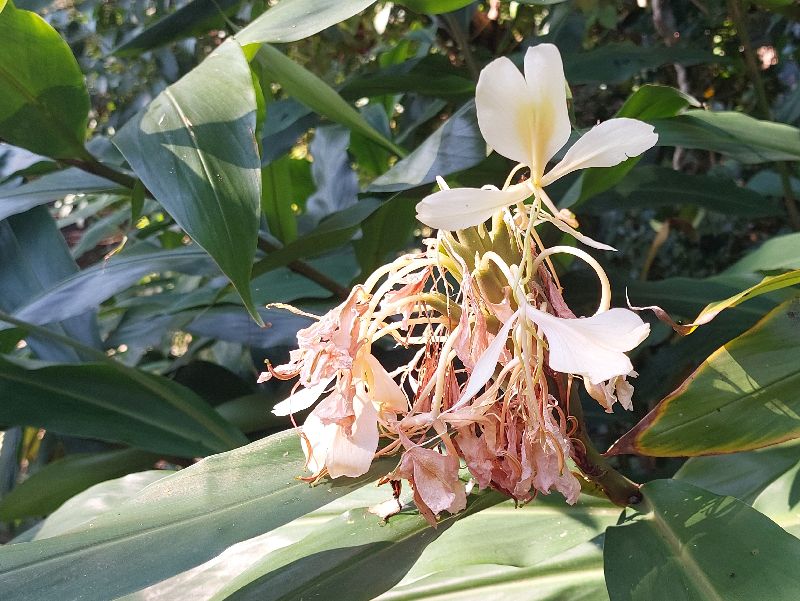
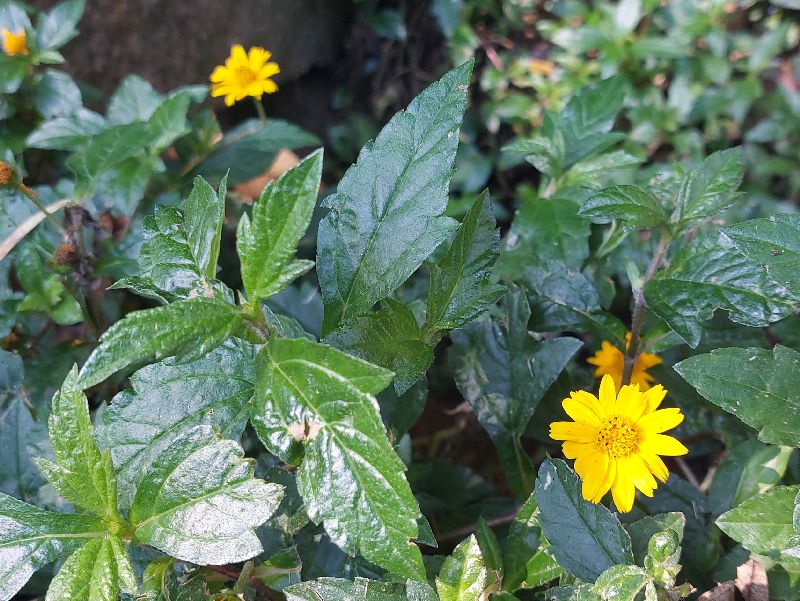
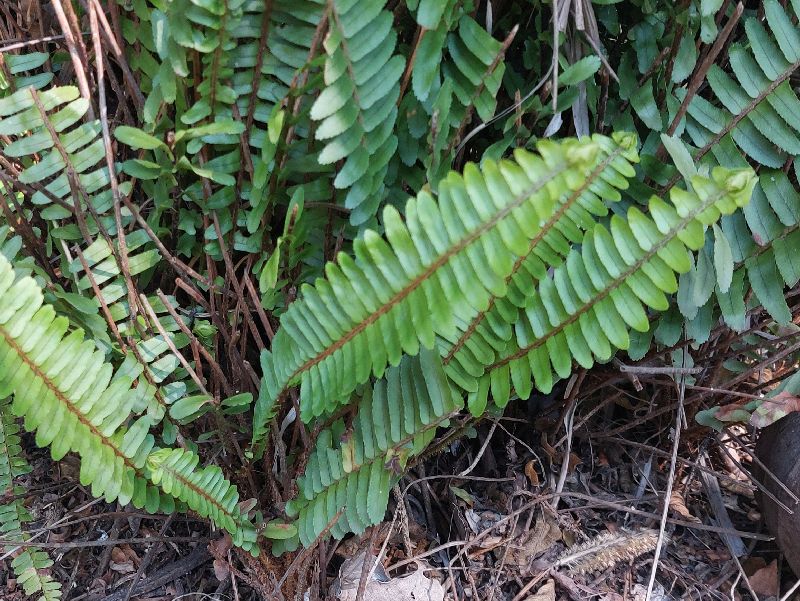
Keeping on top of the invasive aliens however is a constant war. Why are these alien plants such a problem? I have presented many times on this topic, and my blog to celebrate World Environment Day 2020 during COVID lock-down has a video on this topic. Below are some of the invasive aliens that we constantly have to fight back:
CannaClimbing cassiaFan palm & Elephant earGinger & Inch plant & Arrow-head vineGingerInkberry treeSingapore daisyAmerican chickweed with sticky seedsErect sword fern
This week, to commemorate Biodiversity Day, I will once again do battle in my own garden, removing invasive aliens that have come up since my last attack. Wish me luck! I also plan to reach out to my neighbours, and start a conversation about controlling invasive plants.
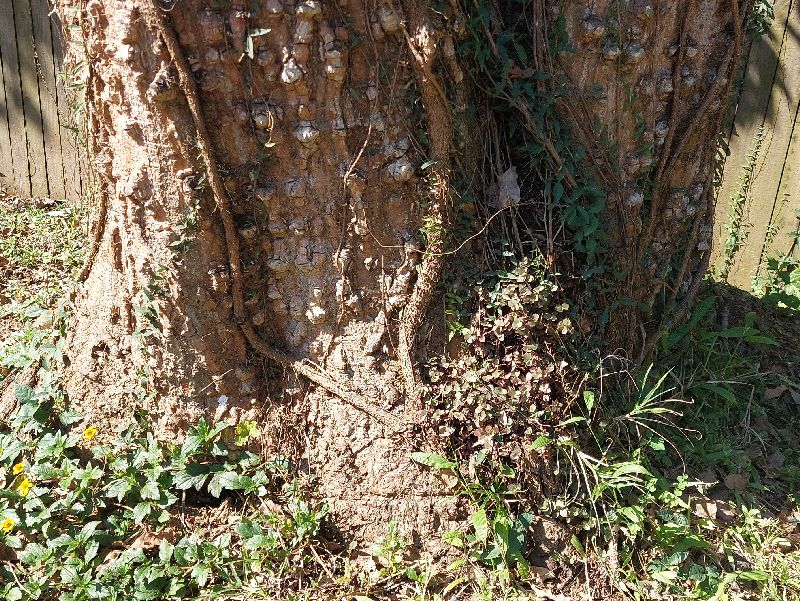
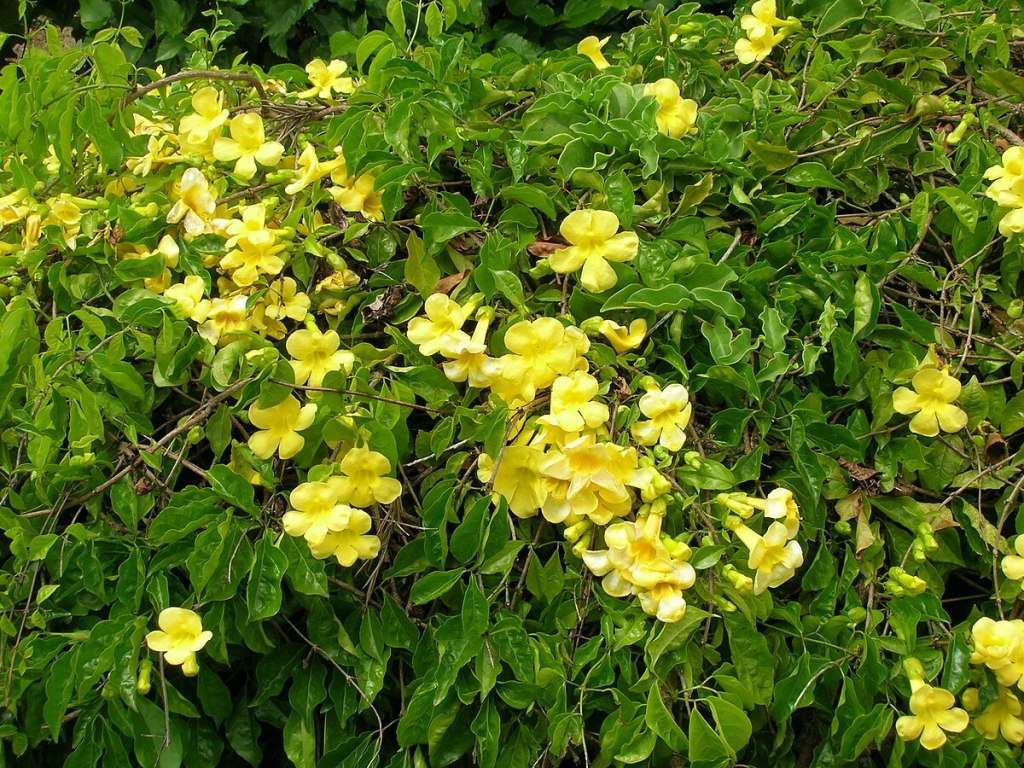
And then I plan to go around the neighbourhood, targeting the horrible catclaw creeper (see gallery below). Macfadyena unguis-cati is a particularly pernicious category 1b invasive species, very difficult to eradicate. Catclaw seeds blow in on the wind. Young seedlings immediately grow this fat little root, deep in the soil, which easily breaks off when you try to pull the plant out. Ignore them, and they grow melon-sized tubers. Thick rope-like vines snake up trees, along branches, and if you don’t cut and poison them, they soon cover and smother the tree crown. They were imported for their beautiful yellow flowers. Now we sit with the mess.
The ‘cat claws’Young seedlingsEnormous tubersCreeping up our fenceCreeping up a tree trunkCreeping along the branches of an indigenous coral treeLeavesThick vinesFlowers
In the last article I started presenting the contents of a temporary exhibition that sadly fell victim to the pandemic. We covered the first four roles of insects in nature: pollination, seed dispersal, recycling and improving soil quality. In this article we continue the series, and look at roles 5: pest control, 6: weed control, and another role ‘X’ that goes beyond the content of exhibition – population control.
Role 5. Pest control – insects eat each other
What is a pest? A pest is something that directly harms our crops or livestock, or even us, something that is so numerous that we notice it and that does measurable damage. A lonesome caterpillar in the garden is not a pest.
Many insects that could become pests, never do, because enough of them get killed by their natural enemies. Natural enemies of insects include birds, lizards and other animals, but the most important natural enemies of potential pest insects are other insects. About a quarter of insect species eat other insects, thus keeping them in control.
Predators, such as the praying mantis, ladybird and assassin bug (header), catch their prey, then eat it up whole or suck it dry, depending on their mouth parts.
Back in 2018 and 2019 Andrew Carter of the Durban Natural Science Museum and I put together a temporary exhibition on the roles of insects in nature. In January 2020 Andrew was still putting on the finishing touches when Covid-19 struck. Sadly, visits to the museum stopped or came at a slow trickle.
I would hereby like to present the contents of the exhibition to the readers of Leopard’s Echo, per chance to reach a new audience. The information came largely from the book What Insect Are You? and from educational events offered under its banner. Those who know me may have seen me talk about this topic at local conservation events.
The exhibition also featured specimens that came from the museums’ wonderful insect collection, see the first picture in this article (and it so happens that one of the entomologists who reviewed the book What Insect are You? was the curator of this collection at that time, Kirstin Williams.)
The exhibition was called: Insects: the silent extinction. Do we know what we are losing?
Insects are disappearing at alarming rates. But is this a problem? You probably already know the answer. Insects are not just pests – they also play important roles in nature. Sure, most people can think of a few good uses for insects (they pollinate flowers, they make honey), but for many people that is where the good opinion ends.
Having just returned from an international trip, exhausted from sitting around on aeroplanes and airports for many hours, I couldn’t help marvelling again how small creatures like godwits fly for 11 days non-stop on their own wings. Insects, which are even smaller, are capable of similar feats.
Following a previous article on insect migrations, here we look at some of the fascinating ways in which insects get around, and special adaptations that help them get there.
So let’s go!
Walk before you run
Let’s start at the beginning: Ants, Beetles, Cockroaches, all these and more have six standard-issue walking legs. Even for creatures this small, walking can be pretty efficient, make no mistake. Ants just walk and walk and keep on walking, and don’t they just end up everywhere? By way of pheromone trail markers they find their way home, but now I’m wondering: how many end up getting lost anyway? I couldn’t immediately find an answer to this question on the Internet.
Oh when ants… go marching by… A highway of African army ants spotted in Tanzania.These little chaps – toktokkie beetles – arrived on foot at a karoo picnic site, within minutes. How they found my apple core so quickly, they alone know.Walk weevil walk!
For me personally, the diversity of insects is a wonderful expression of the creativity of the Creator: the vast and seemingly unnecessary variety, the sheer ingenuity, the visual beauty that has no discernible purpose or evolutionary advantage. ‘It must have’ some would say. Maybe.
I appreciate the evolutionary process, but don’t think everything can be so easily labelled as ‘blind, random chance’ and ‘survival of the fittest’ or even ‘runaway selection’. It is much easier to believe that a divine artist had a lot of fun.
Either way, there is something divine about insects.
Dung divine
The scarab was the symbol of Khepri, the ancient Egyptian god of rebirth and the rising sun. Like the beetle rolls a ball of dung, from which a new beetle will hatch in time, Khepri was thought to roll the sun across the sky, where it hatched anew every morning.
The copper dung beetle belongs to the genus Kheper after the god. This male has collected a ball of faeces. The female will lay an egg inside, then the ball gets buried: baby food for the grub.The hieroglyph symbol of the scarab appears in King Tutankhamun’s forename: Nebkheperure. Inset: a scarab ring from his treasure.
There is definitely something divine about insects, both in their benefits, and their deadly powers.
Insects migrate. In a GRAND way. Forget the migration of the wildebeest across the Serengeti. The painted lady butterfly, found all over the world, migrates from as far North as the arctic circle to the tropics and back – a 14 000 round trip. Individuals fly several thousand kilometres! Dragonflies migrate between India and Africa, flying several kilometres up in the air, over open ocean. How is this even possible? The mind boggles.
In my opinion humans always underestimate insects. Because they are small we don’t take them seriously, we don’t appreciate them, we don’t give them the respect they deserve. Even when we are finally made aware of some amazing feat, we are still missing something even more amazing.
The vagrant emperor dragonfly, also featured in the header, is a known migrant. It is a spectacular animal, one of the largest dragonflies that exists. It occurs in Durban – this individual strayed into our house.
The painted lady butterfly completes its migration over the course of a few generations. The offspring can’t learn the route from their parents. So how do they know to stop flying South, but turn around and head back North? This is a mystery worth solving!
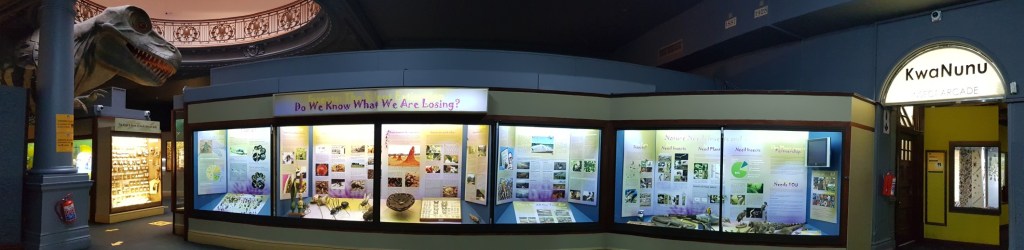
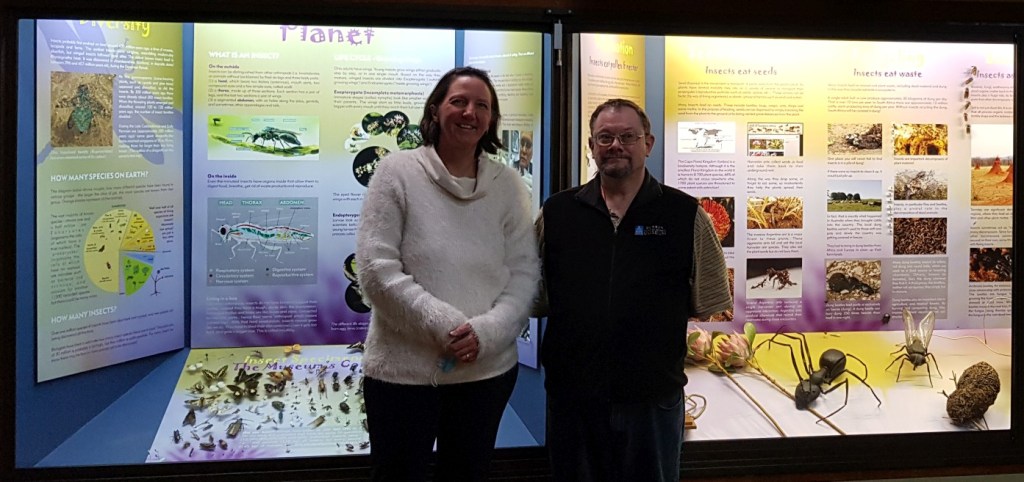
It was a bitter-sweet experience, seeing (yesterday, for the first time!) the temporary insect exhibition at the Durban Natural Science Museum. Charles (aka Andrew) Carter and I had spent so much time working on this back in 2018 and 2019. In January 2020 he was still putting the finishing touches on it… when Covid-19 struck.
Entitled Insects: the silent extinction. Do we know what we are losing?
It will still be up for a week or two. For directions click here.
One of the world’s largest insect: the Goliath beetle.
Content from the book What Insect Are You? and specimens from the museum’s insect collection.
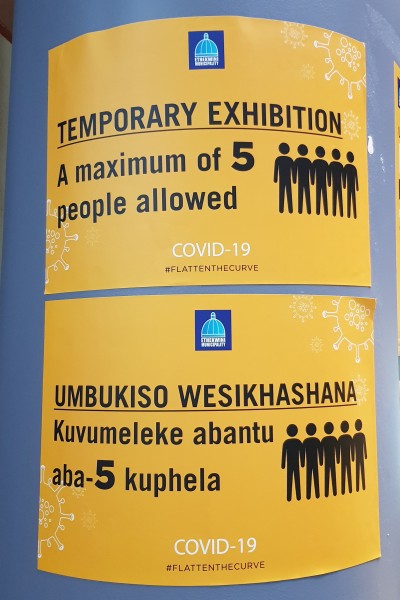
Covid-19 restrictions prevent group events
The information came to a large extent from the book What Insect Are You? and from follow-up educational events offered under its banner. The specimens came from the museums’ amazing insect collection. (It so happens that the curator of this collection used to be Kirstin Williams, one of the experts who reviewed the book.)
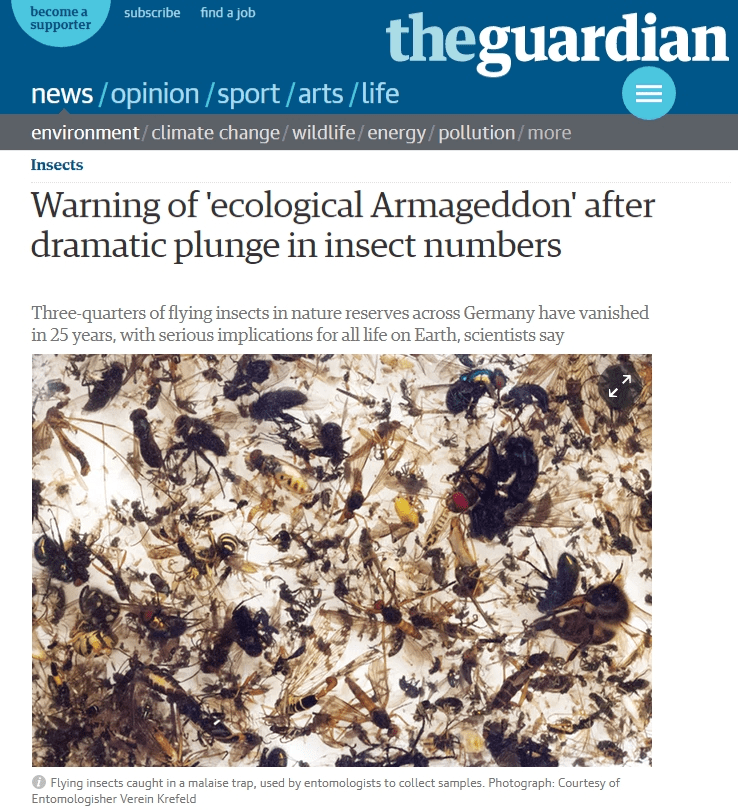
T. rex wonders “Why did those things survive and I didn’t?”
The exhibition went up without warning or fanfare in 2020. It was mentioned briefly in Thola magazine Volume 21 (page 23), but due to Covid-19, visits to the museum by school groups slowed to a trickle. It would have been great to run educational events there, for school children and the public. But alas!
Marlies Craig (of EASTER Action) and Charles Carter (of Durban Natural Science Museum)
By the end of this month (August 2021) the exhibition will be removed, to make space for the next. Perhaps we can find a new home for it? Thanks again Charles for your hard work bringing it to life. And thanks to Durban Natural Science Museum for spreading the word that insects are our life support!
Insects are good at multiplication. They dominate life on earth – in diversity, numbers and volume. It may be hard to believe, but termites and ants alone could account for a quarter of all animal biomass on land. But now these creatures, that we took for granted, and whose existence even irk certain people, are suddenly on the long (and growing) list of things we need to protect, not destroy.
Luckily, insects can bounce back quickly in numbers, as soon as their natural habitat is restored, and the poisoning ceases – thanks to their ability to multiply. This issue contains stories related to this multiplication process.
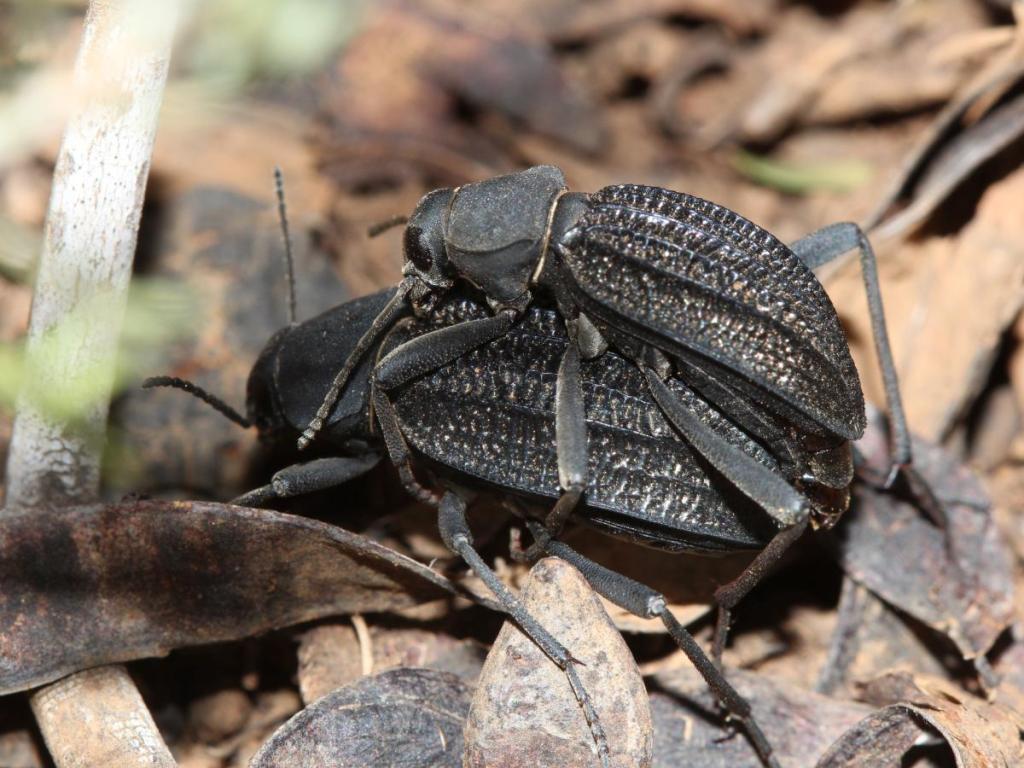
Toktokkie beetles handle the courtship remotely via virtual meetings. Males start the conversation, by drumming their abdomen on the ground, until a female responds. A pair exchange signals until, eventually, they locate each other. Then it’s run and jump and hold on tight.
Read the whole article in Leopard’s Echo, a bi-annual online magazine of Kloof Conservancy.
The word ‘cockroach’ evokes in most people a response of revulsion. Like the word ‘rat’. We may associate cockroaches with filth, unhygienic conditions and disease, but by their own standards, roaches are actually quite clean. They frequently groom themselves. In doing so they probably spread the biocidal substances that have been found in their gut, over their body, possibly disinfecting themselves, like we do with hand sanitisers.
In these difficult and unprecedented times, where the Corona virus is spreading disease, death and mayhem around the world, it may seem strange and untimely to think about the virtues of cockroaches. And yet, the coronavirus can also teach us much about our unsustainable and unhealthy relationship with nature. Our aversion for a creature (the roach) that is not only harmless, but an essential member of ecosystems, is just one example of how far we have fallen from our God-given role as shepherds and custodians of life on earth.
Nature is not our worst enemy. We are. Nature is our life support – if we treat it right. If not, it has the power to fight back.
The theme for this year’s World Environment Day is: It is the Time for Nature. This coronavirus pandemic is in many ways a result of humanity’s unsustainable relationship with nature. But it is also an opportunity to think carefully about where we are going.
On this day we would have loved to invite folks to a live event at one of our beautiful nature reserves, but here we all are, in lock-down! Instead we decided to release a 40 min video on “how all living things on Earth are connected in the web of life“, by looking more closely at the biggest cog in this complex clockwork: insects.
After a brief introduction on species population trends, biodiversity and biomass, the presentation goes through some of the major roles that insects play in the food web and in nature generally, which then clearly points to what we can do to help and “how we can act for nature“.
We would value your feedback. Please fill in the survey.
The rains have finally come in Durban, good and proper. Just what nature has been waiting for. So much is happening now out there in the bush. Everything is coming to life, babies are being born, food is being gathered, the next generation is being raised. This will continue and increase throughout summer. It’s a wonderful time to look out for insects.
Flowers on legs
These past few weeks the neighbourhood watch has been atwitter with reports of eyed-flower mantids in their final stages of development, all spiny pinks, greens, whites and purples. Finally, with flair, they make their entry into adult society with a splendid attire of post-modern fashion.
Here is a younger mantis, from back in June, immaculately camouflaged. The butterfly didn’t stand a chance.And this is a young adult, on the way to the prom.
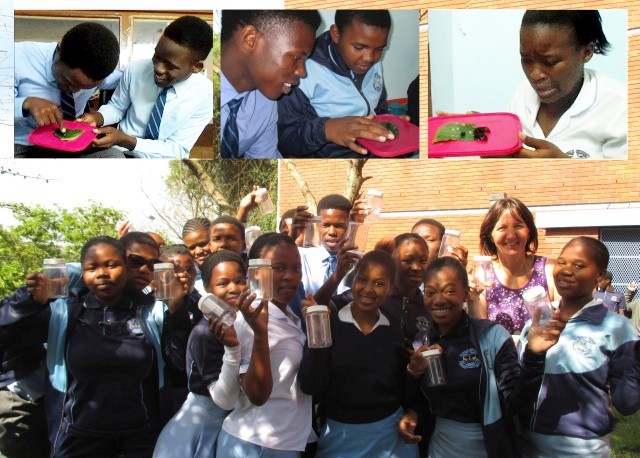
So the kids could not only hear amazing stories about them and see them in the book, but also meet them live and study them closely, aided by a digital endoscope which magnified them on a laptop screen.
Children got a magnified view of live insects on a laptop screen, with the aid of a digital endoscope.
Small though they are, insects seem to excel at everything. They have the five senses that we do, and then some. They hear, taste, smell, see and feel. But that’s not all!
Vinegar flies have speedometers and gravity meters. Bogong moths complete long night-time migrations navigating by stars and the magnetic field of the earth. Bees can see ultraviolet light. Some flowers wanting to attract their insect pollinators, or butterflies wanting to attract a mate, display special patterns that are only visible in ultraviolet light.
Sometimes I wonder how the insects cope in this world that humans have altered so fundamentally. Atmosphere, ground and water is infused with toxic chemicals, the air vibrates with strange radio waves and electric charges, nights are no longer dark, lit up by innumerable artificial suns and stars. So how do they cope? Not well it seems. Not well at all.
I recently visited Incheon where I was struck by the Korean government’s efforts to create a very dense and green city (featured image).
Trees in cities hold great potential for their cooling properties and carbon sequestration, for ground stabilization and water absorption, biodiversity and biophilia, food and fuel, etc. This article on urban tree-planting is part of a collection of opinion pieces on “empowering cities to plan for a positive natural future” recently published The Nature of Cities.
In this article I wrote, Plant indigenous trees! Everywhere, always, more! – Retrospectively, I would like to add “…but without thereby altering existing healthy ecosystems.” Planting trees in existing savanna or wetlands for example, does not benefit nature.
The beautiful Common Striped Hawk moth (Hippotion eson) eats our local arum lily (Zantedeschia aethiopica), but refused a range of common, exotic garden plants of the same family (Araceae – below).
So what?
Well, this was a little experiment in my own garden, that illustrates (1) what fussy eaters plant-eating insects are, (2) why exotic (non-native) garden plants always look so perfect (they don’t get eaten), (3) therefore, why they hardly contribute to the food chain, and (4) why, if you truly love nature, you should plant indigenous plants.
If you are looking for strange forms and shapes, you have come to the right address. Insects are famously eccentric when it comes to body structure. This article will look at one particular sub-topic: ‘Long things that stick out’.
Starting at the front end, the prima donna in this performance has to be the hose-nose cycad weevil (also featured in the title image), whose snout is longer than her entire body! She uses this unbelievably long ‘rostrum’, which bears tiny mandibles on the very tip, to chew deep into cycad seeds, where she lays her eggs. This gives new meaning to the Afrikaans saying, ‘sy eet met lang tande’.
They are irritating. They sting. They eat our vegetables. They make honey. They pollinate flowers.
That was kind of it.
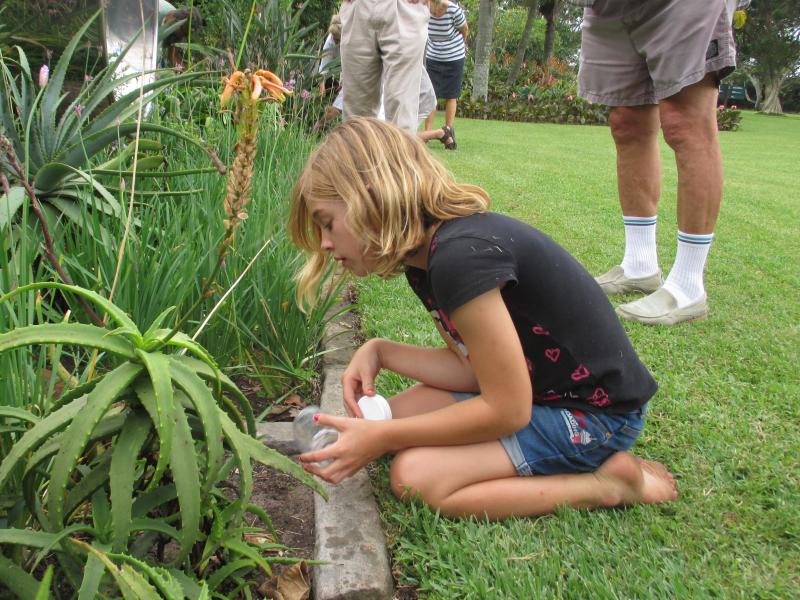
It was such fun telling them about the many crucial roles insects play in nature, how we couldn’t exist without them, and then sending them on an insect treasure hunt outside. There was a map to follow, instructions to read, insects to spot, questions to answer…
Now watch this:
Don’t you love it? The entomologists of tomorrow…
This is the result you get when introducing children to insects.
Have you ever sat under a tree, when the sun was shining, and the sky was blue, and wondered why it was raining? Chances are you happened to pick a spot just beneath a family of rain tree spittlebugs.
When shooting insects in nature, one faces a number of challenges. One challenge is the eternal trade-off between motion, light and depth of field. Another challenge is focusing on a small moving target.
When the camera is very close to the subject, as in macro photography, the depth of field can shrink to a mm or less, and it becomes difficult to get the whole insect, or even part of the insect, in focus. Here are several solutions:
1: Set the F-stop as high as possible: nothing less than 11, better nearer 20, ideally more – depending on other factors, like the size of the insects and available light.
2. To get more of the insect in focus, align it side-on.
3. Line up all the important bits so they are the same distance from the lens, and allow ‘extraneous’ bits get out of focus.
In this (braconid?) wasp the feelers, eyes and sting are all essential features. Lined up exactly at 90 degrees to the lens, they all end up in focus. The feet are less important.
4. Stacking: take two (or more) photos of the insect in the same position, but focus at different levels, then copy the sharp bits from one photo to the other. This usually only works when the insects is sitting still.
1+2=3
A form of ‘stacking’ can even be done on two completely different images:
The firefly’s face was pretty in (1), but its bum was better in (2). So I copied and pasted the rotated light organ from (2) onto the behind of (1). Cheating? Yeah. I guess so. A little.
Motion
Macro photography magnifies movements: whether it is the insect that moves, or a breeze blowing the leaf it is sitting on, or your hand that shakes because you are squatting in an awkward position…
1. Speed: turn up the speed, ideally to over twice the focal length of your lens (i.e. a 100mm macro needs at least 1/200th of a second, ideally more).
This photo, taken with a 100mm lens, at 1/200s, shows different levels of movement: the flower is stationary, the beetle wiggling slightly, the butterfly in full motion.
2. Fridge: some people like to refrigerate insects to slow them down temporarily. I don’t find this method very useful. One, where are you going to find a fridge when you are out in the bush? Two, how long do you leave it in for? Three, they end up in unnatural, dead-looking postures. Four, they warm up real fast, so by the time you have ‘arranged’ their limbs to look more ‘natural’, they are waking up. Having said that, I have used this method successfully on one or two occasions.
By the time I had taken this beetle from the fridge in the kitchen out into the garden and arranged him comfortably on a leaf in the sun, I had a few seconds left before it woke up and scuttled away.
3. It is more useful to trap the insect under a glass, on a suitable substrate, and then simply watch and wait. They do eventually get tired from all the rushing about. In the meantime, get your camera ready and focused. When the insect stops to catch its breath, carefully remove the glass and shoot. When they start running, simply put the glass back. Repeat, until you get the perfect shot…
This busy mutillid wasp – a wingless female – was running errands. Under a glass she eventually paused – just long enough for a photo or three.
4. Hyper-active insects can sometimes be subdued with a bribe: place a drop of sugar water on the substrate (in this case I had chosen a smooth stone) and move the jar over the drop. Wait for the insect to start drinking, then carefully remove the jar and take your shot.
Is it wrong to shoot wildlife at a watering hole?? An energetic mutillid wasp – this one a winged male – did not stop buzzing around until I gave him a drink .
5. To shoot insects on flowers or leaves, when there is a breeze, operate the camera with one hand and hold the flower with the other. Just don’t jerk the flower in an unnatural, non-breezy way that will startle the insect.
Light
Bright sunlight is nice, if you can get it. Here are three different amazing flower chafers. Yes, it is spring time!
High speed and high F-stop settings reduce the amount of light available, resulting in an underexposed photo in all but the brightest sunlight. What to do?
1. Increase the ISO setting. At super-high ISO the picture ends up grainy, but often photo clarity is still totally acceptable at ISO 2000 or even higher. Play around with your camera so you know what results to expect.
2. Insects often have shiny exoskeletons which reflect the sunlight unpleasantly, hiding interesting patterns and colours. In such cases muted sunlight or light shade works better, if you can arrange it.
When bright sunlight doesn’t work.
3. In the absence of sunlight, the obvious – and often the only – solution is using a flash. However, the flash comes with its own set of problems (more about this in the next installment).
Problem situation: a busy, dark, shiny, metallic beetle on a darkly overcast day. The flash fails completely. The dark integument absorbs most of the light, except for a few brilliant reflections, and masks the beautiful metallic sheen. But without flash, automatic settings (in this case 1/125s, F6.3, 400 ISO) simply don’t work: the colours are fine, but depth of field and motion is hopeless.The next time went better: 1/160s, F10, 1250 ISO.
Combining these in the field
I usually start by taking a ‘recording’ photo’ (“I saw this insect”) using a flash with the following settings: F22, 1/200s, 200 ISO (on my 100mm macro lens). Easy numbers to remember.
Then, if there is enough light, I set ISO to auto, and take some more photos at F11+, 1/200s (or more if there is a breeze) – assuming the insect is still there of course.
If light conditions are such that the ISO goes above 6000, I set the camera to manual: 1/200s, f-stop 11 (or 8 in an absolute emergency), ISO as high as possible without ruining the photo due to graininess. If the photo ends up vastly under-exposed, this can often be fixed in an imaging software.
An extreme case of bad photo conditions: overcast day, deep shade in the undergrowth, strong wind, busy beetle. I maxed out the ISO (6400), upped the speed to 1/400s, set the f-stop to 10, and then processed the grainy and under-exposed photo. Result: not perfect, but usable.
Focus
I use the auto focus only on large insects that are sitting still. For instance when shooting basking butterflies with a tele lens.
The rest of the time I ‘lock and rock‘ in manual focus. Meaning I focus approximately, then fine-focus by moving the camera back and forth ever so slightly, closer and nearer to the insect. (I don’t try move my entire head with the camera. Such movements are too clumsy. I keep my body still and move the camera closer and nearer to the eye.)
If the insect is perching on a branch or flower, I may operate the camera with one hand, and fine-focus by moving the perch with the other.
It is terribly easy to jerk out of focus just as you ‘pull the trigger’. The trick is to keep one’s body dead-still, by sitting or kneeling good and proper, not squatting precariously, by leaning on elbows or against something, by leaning the camera against a solid object, or using a spare hand, wrist or knee as a temporary tripod.
What a wonderful topic: the endless variety of life forms and living spaces.
After a presentation on the subject, the grade 11s from the Umkhumbane Schools Project biodiversity group explored what lives in the car park at their school. The flowers on the waterberry trees were being eaten by a gazillion garden fruit chafers – a very common but nevertheless spectacular beetle.
Someone had donated a microscope to the group. That was a big hit! There is something special about seeing the life forms that exist beyond our immediate experience – and it so happens that the vast majority of species, numbers and biomass is on the tiny to microscopic end of scale – like this springtail which is less than 1mm long.
What a bunch of enthusiastic, fun young people! They give me hope for the future.
“Do you know what an insect is?”, “Have you ever seen an insect?”, “What insects do you know?”, “What do you think of insects?” The answers made it clear some of the kids had not even thought about thinking about insects.
Then they got a chance to stroke my enormous pet hawk moth caterpillar, to hold it, look it in the eye, they were both thrilled and ‘grilled’ (an Afrikaans word that means exactly the sort of shudder you get from a close encounter with an insect).
By the time we went outside to hunt for some insects in the school yard, they were totally excited. They whooped with joy when they caught an ant. Or a common house fly. One boy found a lovely stinging caterpillar, and so won for his school a copy of What Insect Are You, kindly donated by a member of Hillcrest Conservancy.
Today I stand with EO Wilson in heart and spirit, as he and his team celebrate the first ever Half Earth Day, and as they set out to protect and preserve half the earth’s surface to ensure that 85% of species have a chance to survive.
Watch a video at:
To mark the day, I visited a local school primary school and spoke to the Grade 6s about the environment, Half Earth Day and of course… insects!
Why do we need the Half-Earth Project?
Just so we are clear: things are really looking dismal. Extinction rates are 1000 times higher than before we spread across the globe.
Yesterday my mom asked, “Exactly why is that a problem?” (that from a life-long nature lover and bird-watcher!) Answer: because we are part of this vast interconnected web-of-life. If they go, we go. Perhaps not all of us, but too many to contemplate. And being left behind in a world depleted of biodiversity is, quite frankly, unimaginable.
For example, are you aware of how many of our food plants are animal pollinated? Do you like fruit and vegetables? Could you do without your morning coffee? Or chocolate? That was enough to convince my mother. Find out more.
Of course that is only one tiny part of it. The fact is, we do not exist APART FROM other life forms, but we are A PART OF life on earth. Read more:
I had never been terribly interested in fungi, until our recent visit to Ngome forest. One just couldn’t help falling in love with these little-known, little-appreciated ‘completers of the food chain’. Their beauty and variety was shocking.
Not sure why I’m posting fungi on this insect site. To share it, I guess, so someone else can go “WOW!”
Of course there were also plenty of insects . I was particularly intrigued to see a bugweed (Solanum mauritianum) apparently getting eaten by ladybird beetles. These horrible local invasive alien plants are normally in perfect condition, because they are so very unpalatable to our local mini-fauna. (Yes! Some ladybirds are herbivores. They are often furry, like these ones.)
Another very interesting sighting was a dead ant. Huh? Yes, an ant that had clamped its jaws tightly onto a twig and died there. A fungus seemed to be growing out of its head. This is a macabre story: the fungus produces brain chemicals that control the ant’s mind, forcing it to do exactly what this ant had gone and done: wander around like a zombie… clamp down and die… become fungus food (read more here).
Yesterday I was thrilled to discover that the condition I have happily suffered from for most of my life has a name: it’s called ‘Biophilia’.
Fun and joyAwe and wonder
The word was first used by the social psychologist Erich Fromm to describe a healthy ‘life-loving’ attitude. But in his 1984 book Biophilia, Harvard University entomologist Edward O. Wilson published his hypothesis that humans are innately attracted to other species and inclined to love nature. Here is a fascinating interview with Wilson.
Most children have a bug period, and I never grew out of mine. — Edward O. Wilson, Naturalist
I also firmly believe that children do have this innate love, and that ‘biophilia’ can be aroused easily in those who do not have it yet, simply by introducing them to little creatures. With every educational event this belief gets confirmed.
When people love, they become invested. When their heart is invested, they want to protect and nurture. It is the heart that motivates us to pro-environmental action.
Not fear. Not necessarily zealous environmentalism, nor dispassionate facts. But faith that something can be done, hope that we will succeed, and most of all … biophilia: the love for all living things.
And now these three remain: faith, hope, and love; but the greatest of these is love. — 1 Corinthians 13:13
Last week I gave a lecture to over 300 1st and 2nd year student teachers at UKZN School of Education, Edgewood Campus. What a thrill! I was delighted to discover that – truly – insects have universal appeal. The students exclaimed, laughed, participated enthusiastically, happily swept along by insect stories, which are always fresh and new and bizarre. The antics of insects can enthrall anyone!
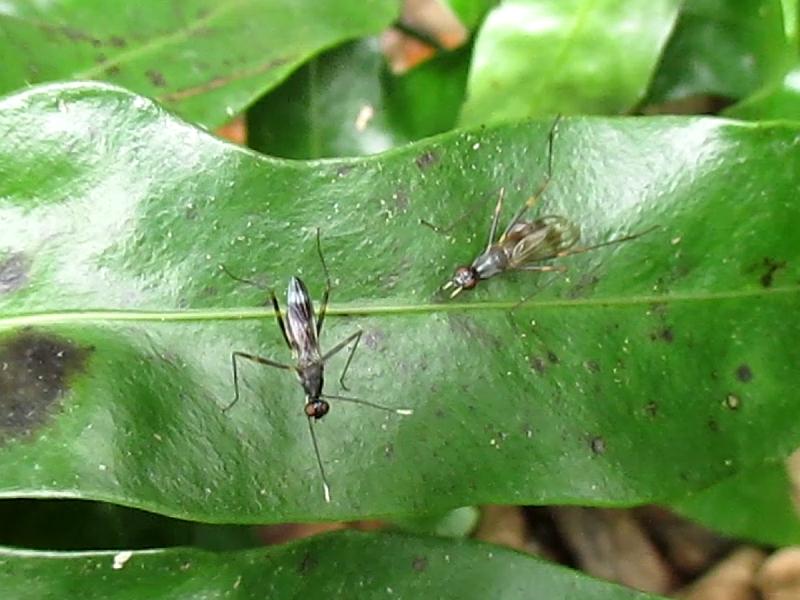
They were particularly intrigued by different romantic strategies: from elaborate courtship dances in micropezid flies to the ‘run-and-jump’ manoeuvre of a male darkling beetle, from complicated sperm-transfer mechanics of damselflies to male-less, sperm-less cloning in aphids.
Micropezid flies: the female dances excitedly around a male, who looks like he is conducting the music and choreographing her moves.
Darkling beetles mating
What really excited me that day was knowing over 300 young teachers are going out into the world, understanding that insects are the food base for most vertebrates, that insects need indigenous ecosystems to survive, and knowing of a few, simple things we can do to make a difference.
When teachers know something, there is the very good chance that very soon very many children will know the same thing. Teachers are the door to the nation.
In the light of this, we are soon announcing an exciting new project. Stay tuned..
Last week I teamed up with CASME for two days of educational outreach at the American Corner in Bessie Head Library, Pietermaritzburg. Talking about biodiversity with about 150 high school kids was so much fun. Are you wondering what they are all getting so excited about? Science! Nature! Insects! Genetics!
Stalk-eyed flies sizing each other up.
Insects are full of surprises, and there are so many of them, that one can never run out of fresh, interesting material. For example, we kind of know about courtship displays in birds. We may have seen male impalas battling it out to win the favour of their ladies. We know mammals feed their young with milk. But courtship, territorial battles and suckling of young – in flies???
The children were riveted by the idea that female aphids make ‘photocopies’ of themselves, then giving birth to these clones, which already have the next generation developing inside them. I mean, that’s just CRAZY!
I was recently invited to speak at the Hillcrest Conservancy AGM. It was extremely humbling and heart-warming to meet so many dear people (mostly pensioners), who for decades have put their time and effort into preserving parcels of our natural heritage. The current chair, George Victor, for example was instrumental in getting Springside Nature Reserve declared and protected (featured image).
These amazing people regularly go in, remove rubbish, clear out invasive aliens, organize walks and public events. They even run training courses for gardeners. Thank you! I salute you!
Enjoying the beauty of Krantzkloof nature reserve, just 15min drive from our home!
The idea of urban forests is very exciting and trendy. Here is an interesting interview with the author on the subject.
It is heart-warming to see tree-planting included in our government’s agenda. See article. More about tree-preneurs in South Africa.
Indigenous trees, apart from all their other wonderful benefits, provide the edible biomass that insects need to build up populations large enough to support other wildlife (birds, frogs, reptiles, mammals and a whole lot of invertebrates). Indigenous trees.
However spectacular Singapore’s Gardens By the Bay (of concrete-and-metal tree-shaped superstructures with live plant skins) may be, I reckon if you like trees, plant trees.
I look forward to a future of serious tree-planting. Taken to its logical conclusion, it will lead us to the paradise cities that China has in mind. As long as we stick to indigenous species, I’m happy.
They were very interested, participated in the insect hunt, stayed for the mini-SASS presentation by Lee D’Eathe, and were thrilled to look at the water creatures Lee had brought with him, through a digital microscope.
It was just plain wonderful, and tickled me pink, to witness such spontaneous enthusiasm. It confirmed everything I believe about children’s innate fascination with nature, and is exactly what we need to tap into when it comes to life sciences and environmental education.
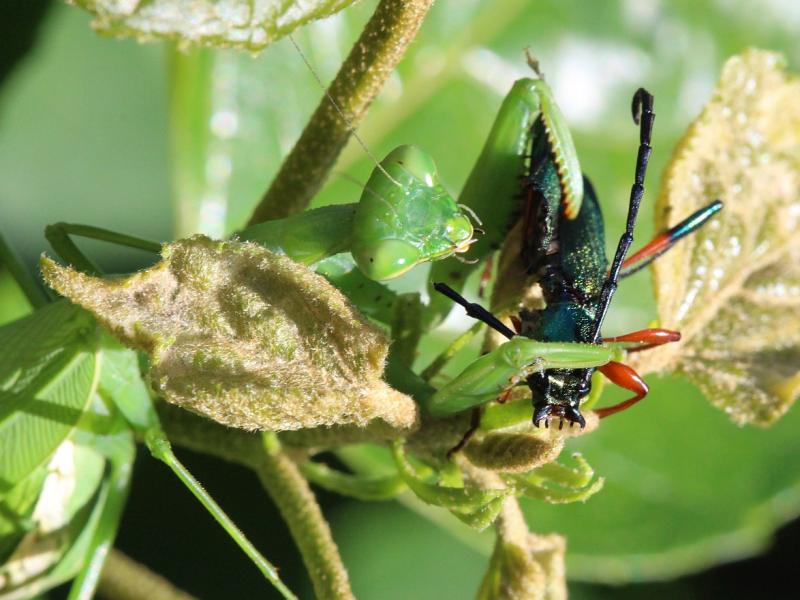
This photo illustrates a camouflaged mantis, purposefully hiding under a leaf, in the act of eating a beautiful longhorn beetle whole. It is hard not to anthropomorphize. That pitiful beetle does look like it’s crying out in terror and pain, while the mantis appears totally unconcerned: “I’m eating. Come back later.”
After sharing on this topic at Hillcrest Camera Club in June, I thought it might be nice to publish something here – in a few installments. It’s a big topic. I’ll start with what I would call ‘philosophy’, then follow it up with technical considerations and general tips and tricks.
Arguably the most important consideration in any form of photography is the content. If the photo ‘tells a story’, all other photographic ‘laws’ and ‘guidelines’ may be relaxed. In extreme cases a photo may even break the number one cardinal rule – “subject must be in focus” – (many would disagree, and I admit I’m a bit squeamish about this one). As long as it is worth looking at. And that happens when the photo has something worthwhile to say.
In insect photography, I would say ‘telling a story’ means showing exactly what insect look like (detail/structure), where and how they live (context) and the amazing things they do (action). If the photo can replace or illustrate a paragraph of words, it tells a story.
If an insect has unique mouth parts, or specially adapted abdominal gadgets, that have a special purpose, then a photo showing these clearly, tells a story. If the insect does something special, then a photo showing it, tells a story. If they live in a particular place, or survive in a particular way, then … you get the idea. For me insect photography is about illustrating the fascinating things I have discovered about insects.
Not all my photos (by far!) manage to tell a story. Many are just ‘records’ of insects I saw. ‘Story photos’ can take time, planning, fore-thought, and of course luck. ‘Recording photos’ can become ‘story photos’ if you know what an insect’s distinguishing characteristics are, where they are supposed to live, what they supposed to be doing, and making sure you capture these in the photo.
The cover photo on my book is a good example of good context, action, even better interaction between species, details of anatomy, even drama:
An assassin bug (a predator) devouring a honey bee, which has come to feed on the flower (location location location!). The ant is an aggressive opportunist. The sucking mouth parts of the bug and the biting mandibles of the ant (bared aggressively) are clearly visible. The bug, an ambush hunter, and the dead bee, are in perfect frozen focus, while the busy ant (an active hunter that also snacks on nectar) is slightly motion-blurred.
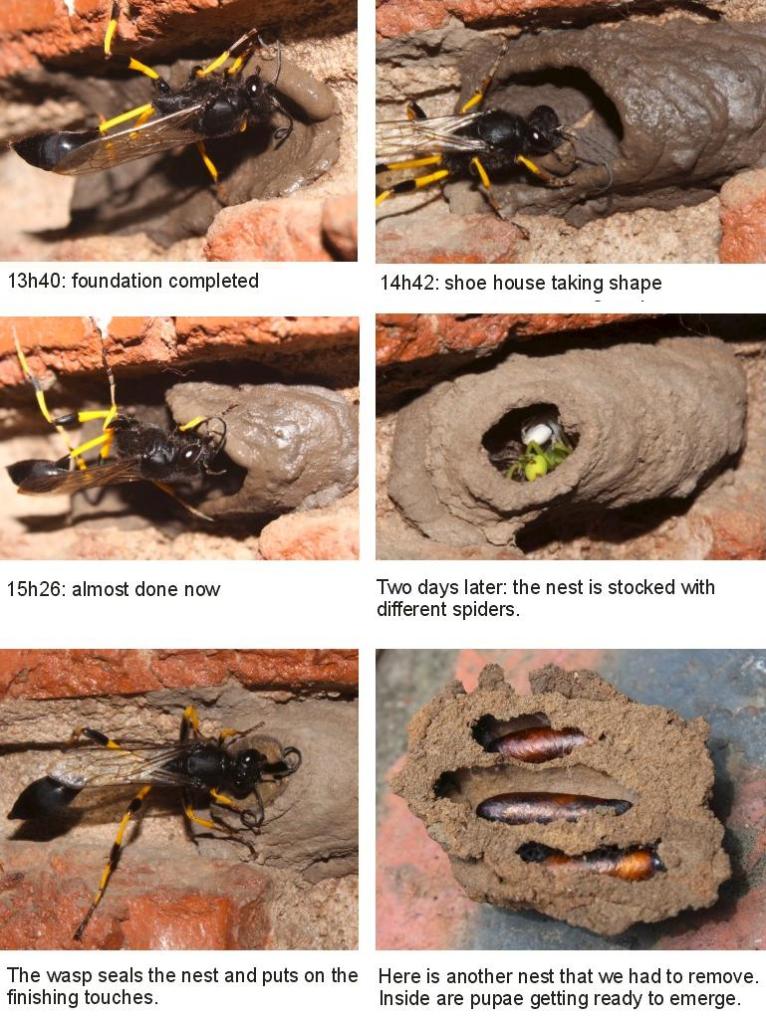
Action: a mud dauber wasp is bringing a blob of fresh mud in its mouth. The progress of the construction can be seen in the growth rings on the mud vessel, the last addition still shiny and wet. Something like this cannot be planned. This wasp happened to choose a spot of wall just above a sideboard in our dining room, where I was able to set up my camera while the wasp was away. Normally they build their nests high up under the ceiling. Construction took about three hours. On the one hand I could have missed the whole thing easily. On the other I couldn’t have stood on the top rung of a ladder for that long. I was just lucky. See full blog on this event.
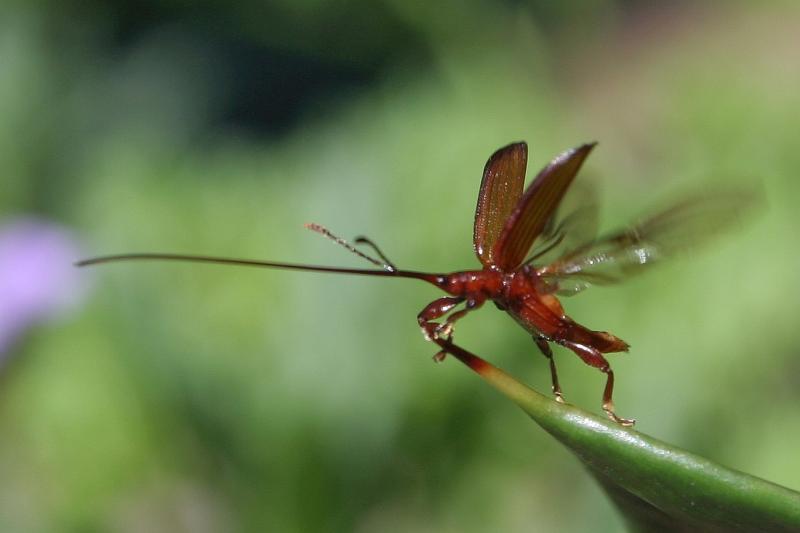
A hosenose cycad weevil, vibrating visibly with the beating of the wings (action), is launching off the tip of a cycad leaf (correct context).
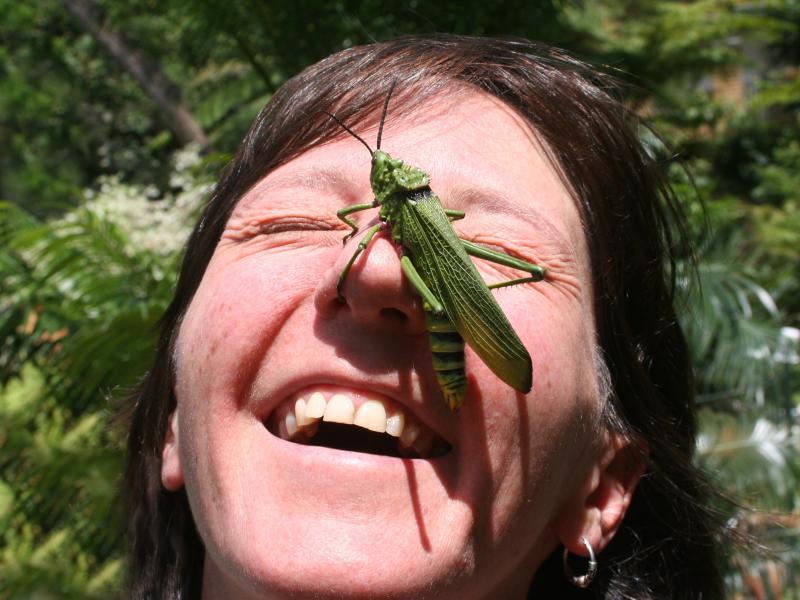
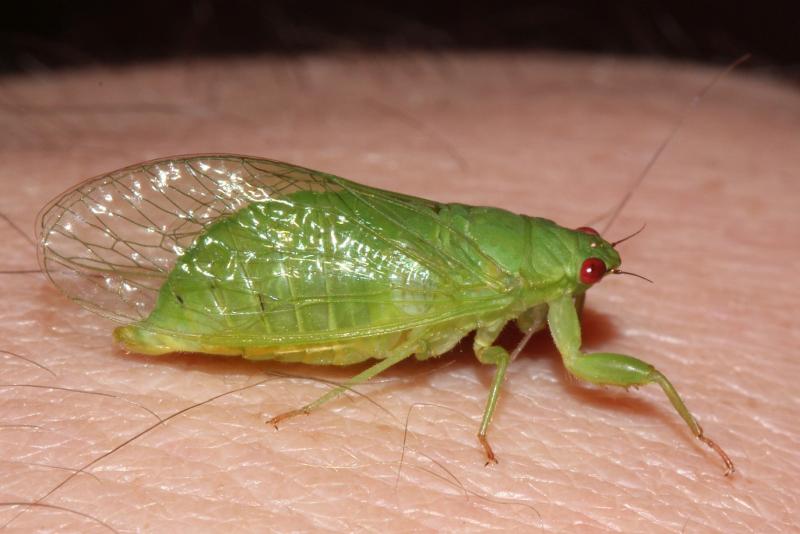
Incorrect context: a plant-sucking ‘green-wing’ cicada on human skin.
Correct context: a dung beetle in dung (as opposed to anywhere else).
Context: bad (on tiles) – better (on a leaf) – best (on the pealing bark of a tree), which illustrates what those strange brown-and-green markings on this moth’s wings are there for: camouflage.
Sometimes it is necessary to do a proper ‘studio session’ with an insect. Some actions or contexts are not possible to capture in the natural (if you are not a BBC photographer with fantastic equipment, working on some documentary). These sessions, like all studio work, are carefully planned, set up and take a while.
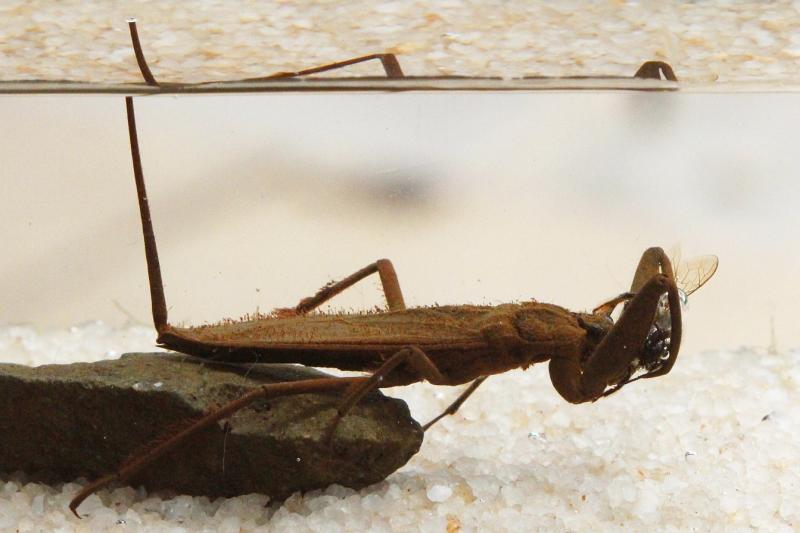
Studio session 1: I needed a nice photo of a caterpillar spinning a cocoon. I had to catch one, feed it until it was ready to pupate, transfer it to a glass jar, then take many photos until I got one that showed the whole thing nicely, without the light reflecting in the glass.Studio session 2: to get this photo of a water scorpion I set up a tank with white gravel and a stone, and clean water to just the right depth. I moved it around a bit until I got the perfect muted daylight conditions I was looking for, and set up the camera. Then I had to catch a bee, move the bug into the correct position, introduce the (live) bee and wait for the bug to pounce. Notice that the refraction on the water surface allowed me to capture not only the underwater bug, but also the tip of its snorkel sucking in air, and showing how it breathes.Studio session 3: Ground hoppers have the crazy habit of diving into water to escape danger. They swim with powerful kicks and hold onto submerged vegetation until the coast is clear. This I wanted to show in a photo. I set up a tank with some water weeds, went into the garden, caught a ground hopper (which are quite common), and threw it in. I took many shots – from above, from below, in sun, in shade, trying to show exactly where it is and what it’s doing. The final (perfect) shot is actually an overlay of two photos: the submerged bits were in perfect focus in one photo, the bits sticking out above the water in the other.
This weekend I participated in the Illovo Wagtail Conservation Festival. A local community concerned for their local environment, are trying to conserve the tiny little bit of it that is left.
Here in Durban we are privileged to live in the middle of one of 34 global biodiversity hotspots: the Maputaland-Pondoland-Albany ecosystem.
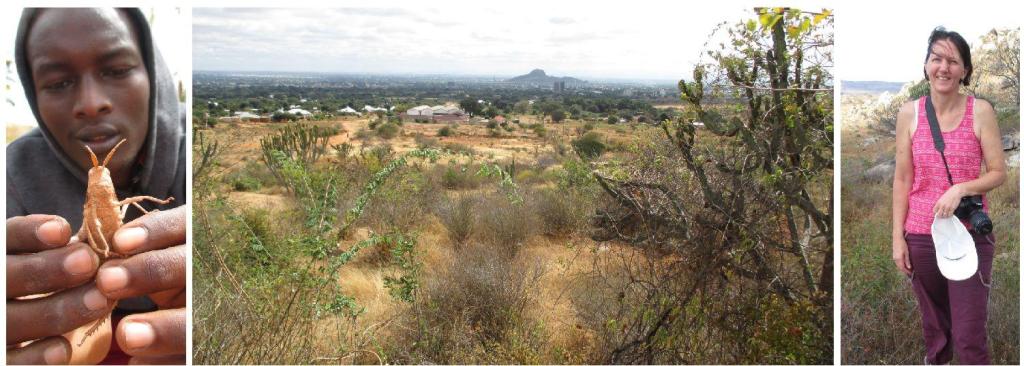
During a quick trip to Tanzania to visit family, I had some free time one day. So I went for a little walk on the outskirts of Dodoma – on the flanks of ‘Antenna Hill’ – to see what I would see. It was a disturbed area, a mosaic of natural vegetation and tiny cultivated fields.
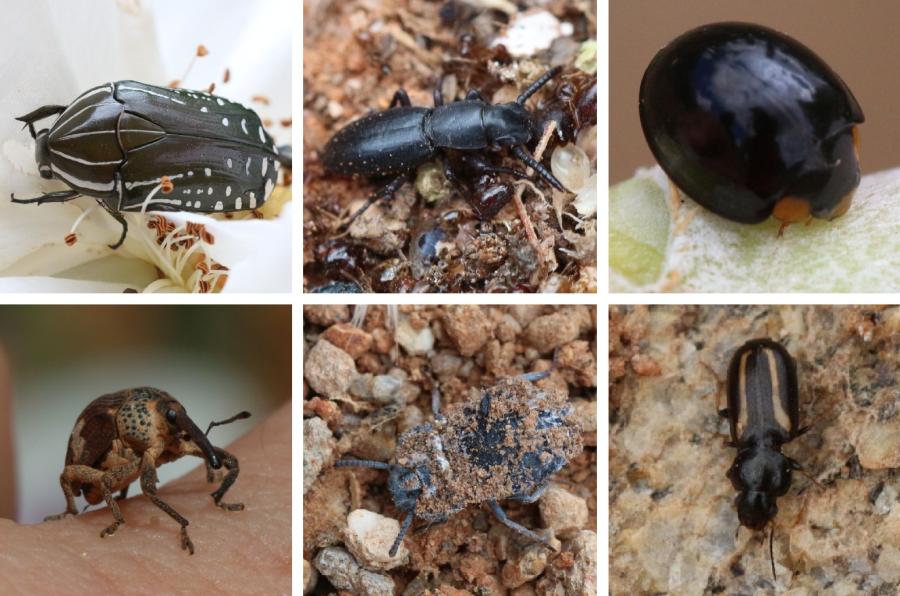
James, my friendly Masai companion, spoke not a word of English but got the idea: we were hunting insects. And there was a lot to see – starting with a staggering abundance and variety of blister beetles. I have never seen so many in once place!
We saw a variety of other beetles, the two in the middle panel were hiding under stones:
It was fascinating to watch an ichneumonid wasp use her long ovipositer (presumably) to inject an egg into a prey she had located hiding inside a flower bud:
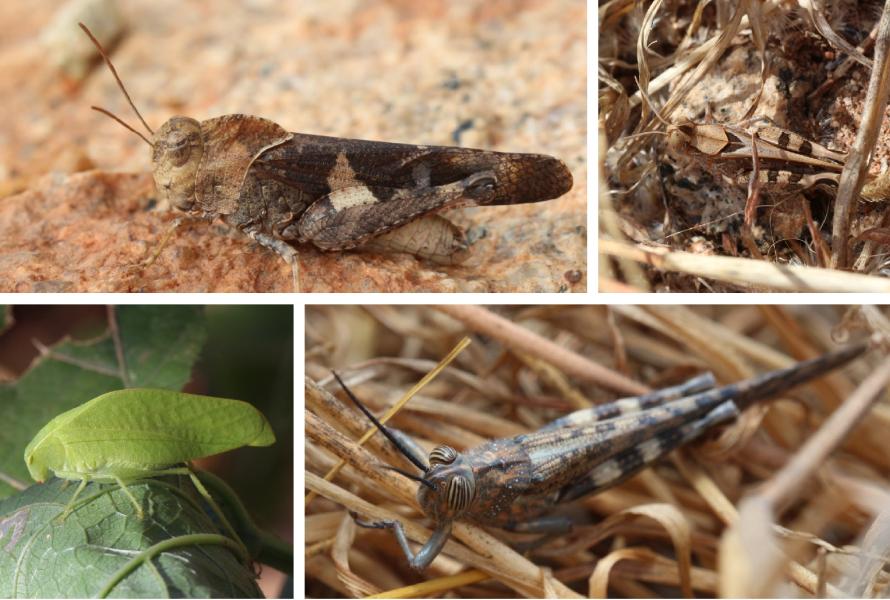
There were many different grasshoppers…
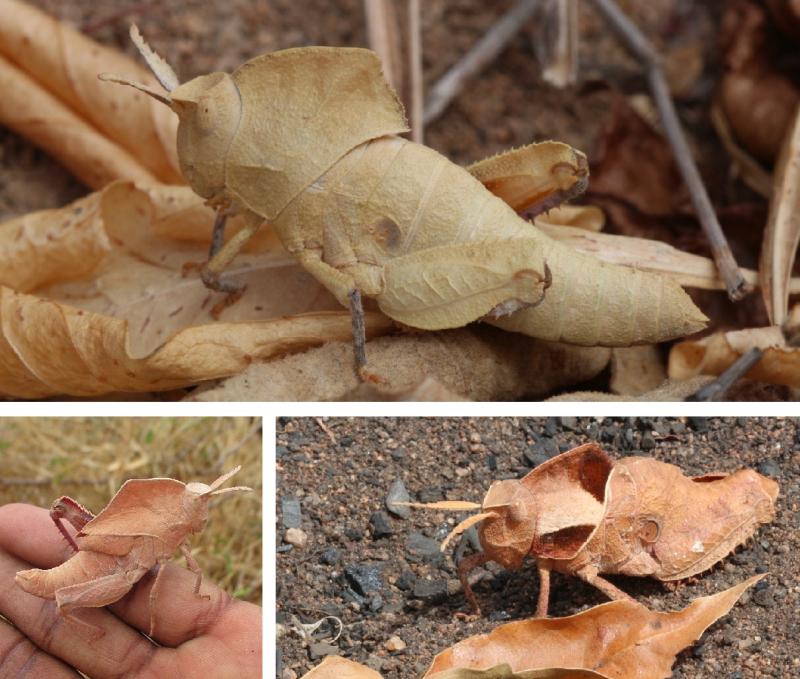
…and we kept coming across these fat, slow-moving leaf-mimics, in a range of browns. Whether they were different species or different instars of the same species I do not know.
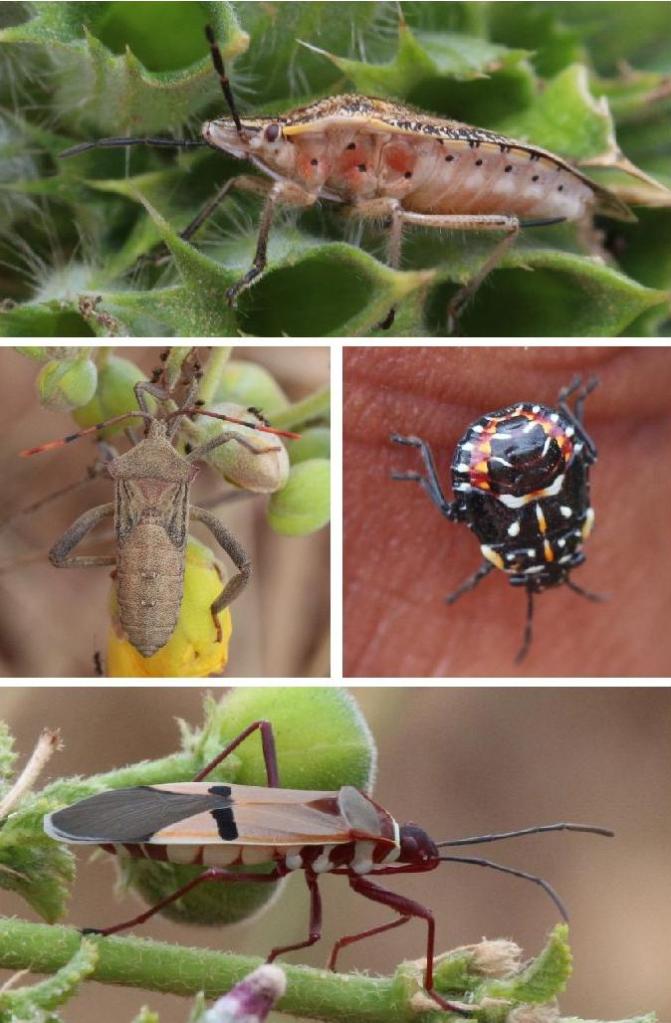
What else? Bugs:
Some flies, including a largish robber fly with prey:
Some moths and butterflies:
Some smaller insects, such as silverfish, thrips, a mealybug ladybird larva and who knows what:
And of course the promise of things to come or the evidence of things that are (eggs and empty cocoons):
This just shows how, when there’s no time for the Serengeti, wherever you are you can always find some kind of wildlife – however small. I used to say that about birds, but we only saw two of those. Yet in three hours of looking around a bit outside, how many insects did we see? And many of them were species I have never seen before.
Even though I showed James my book, in an attempt to explain what our little outing had been all about, he didn’t really understand why I wanted to take all those photos of insects. They are just… insects, aren’t they? Why would someone want to see insects?
I would really like for people like James to understand how important these little creatures, that we all take for granted, really are. Without them the birds (which he was trying to interest me in) and many other animals, and many plants besides, are doomed.
Article in Leopard’s Echo (Kloof Conservancy’s bi-annual magazine).
Colour is a big thing in the world of insects. Really big.
Mindboggling examples abound of spectacular beauty and creativity, with no obvious evolutionary purpose except perhaps to stupefy an art-loving human beholder. A quick search on Pinterest or Google should convince you.
Here are three amazing insects: elegant grasshopper, tiger moth caterpillar, milkweed leaf beetle
Gave a lecture at Edgewood Campus (UKZN) on 21 April to celebrate Earth Day, which commemorates the birthday of the modern environmental movement 47 years ago. Though some things have improved, we are still losing ground. Since 1970 wild animal populations worldwide have gone down by more than half (WWF). Between 25 and 50% of forests and grasslands have been converted for farming purposes (WRI).
I can’t bear the thought of this lovely indigenous forest in Hogsback, which we visited recently, being threatened. The South African National Biodiversity Institute estimates that a quarter of our indigenous plant species are threatened or in a worrying state, the main threats being habitat destruction or deterioration and invasive aliens. Everywhere we went we saw depressing evidence of this (SANBI Red List stats).
The general attitude towards the environment is still marked by ignorance and apathy. Linked with humanity’s insatiable hunger for money, meat and ‘more-more-more’, nature continues to languish. Quite frankly, I am determined to do whatever I can to change even a few people’s hearts, and show them how they can make a difference in their immediate surroundings.
Educational event with around 50 school kids grades R-9 at Paradise Valley, with extended insect hunt along the river. Thanks kids for being so enthusiastic!
One boy said, “I thought it was going to be boring, but it was so interesting!” I hear they went back to school and started digging for antlion larvae… That’s the idea, isn’t it?
The winning insect was a large longhorn beetle, the same species as on the back cover of the book.
However, I found my own special beast that day, crawling across a rock in the river: a rove beetle of the genus Paederus.
Some members of this group are loaded with pederin, a nasty toxin that causes painful burns and blisters when the beetle is crushed on the skin. In fact, these insects could be the culprits behind the sixth plague of Biblical Egypt.
Um, I didn’t check whether this particular individual was toxic… I let it live.
“Future generations depend on these small animals, so the focus must be on increasing awareness among the young. Research has shown that children are intrinsically interested in what a bee, cricket, butterfly or snail is…Yet strangely, while we care about our children, we care so little for all the small creatures on which our children depend on now and into the future.”
The presentation at the Bird Life Forum meeting (at WESSA, Howick) again started by explaining the role that insects play in nature, but then looked more closely at who else in the food chain relies on insects.
It turns out insects are on the menus of the vast majority of other animals. But even pure herbivores rely on insects indirectly, because around 80% of plants need insects to pollinate them!
Insects and plants are locked into a close partnership. Together they form the bedrock of every ecosystem outside of the oceans. This world cannot exist without insects.
The problem is, often we expect it to…
Insects eat indigenous plants – just about only. By allowing our land and gardens to be overgrown by exotic plants, we deny insects their food. No insect food means no insects, which means no food for other animals. In some places the food web has as good as collapsed.
The solution is to get rid of the aliens and to plant indigenous trees. Trees are the key: their size and biomass provide insects with a banquet of suitable food. More food means more insects, which means more birds, reptiles and other insect eaters.
Now we have the beginnings of a healthy ecosystem, where many species co-exist and keep each other in check. Suddenly one can plant all those lovely indigenous flowers and bushes, that only get eaten if one tries to plant them in an otherwise exotic garden. It all starts with trees!
Several members from the audience said afterwards they planned to go home and take a fresh look at their own gardens. Yay – mission accomplished!
An educational event for Botanical Society, at Durban Botanic Gardens.
The first talk, entitled “Insects at work”, showed the important role insects play in nature, as farmers (pollinating flowers and dispersing plants seeds), in the food supply chain (eating each other and being eaten), and in the waste management and recycling department. Insects, in a tight partnership with plants, are the bedrock of the rest of nature (outside of the oceans).
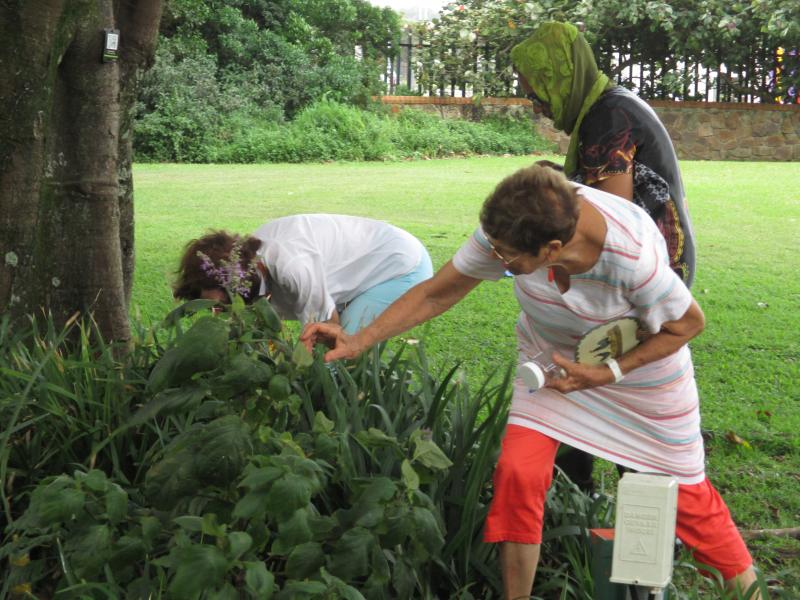
Most of the folk then took part in an insect hunt experiment of sorts: the aim was to spot and record as many insects as possible in eight designated sampling sites, half of which were indigenous, half exotic plants.
What’s the big deal with invasive alien plants? Why all the fuss? Well when you look at the role insects play in nature, and how invasive aliens stop insects doing their job, it all starts to make sense. This was the subject of the second talk, which asked the crucial question, “So DO insects live everywhere?”
Over two days a mud dauber wasp (Sceliphron spirifex) built and stocked a nest on our dining room wall.
What I found so interesting was that as the wasp added a dollop of mud to the structure, it vibrated its wings. Vibrate – stop – vibrate – stop. What was that all about?
Does it have something to do with the fact that mud can be a thixotrophic substance? Solid at rest, but when disturbed it becomes liquid? Perhaps by vibrating the mud, the wasp was able to shape it, but when it stopped vibrating, the mud set instantly and kept its shape. I’m just guessing.
Thixotrophy can also cause landslides during earthquakes: solid wet soil suddenly turns liquid from being shaken up.
Reading up on this I discovered there is a whole range of substance that show ‘non-Newtonian’ qualities, and a different name for each: rheopecty, pseudoplastic, dilatant.
A really fun example of a dilatant substance (solid when agitated, liquid otherwise) is ‘magic mud’ or ‘oobleck‘, a cornflour-water mixture. Have fun!
A paper published on how Grade 10-12 kids respond to the school life sciences curriculum concluded that more emphasis needs to be placed on what learners are interested in.
The most important aspect of science and environmental education is to tap into children’s natural curiosity. As homeschoolers we know that children love to learn. They are programmed to learn. Tell them interesting stuff, in an interesting way, and they want to know more.
The better we know something, the more we appreciate it. And the more we appreciate it, the more invested we become: we want to protect it, preserve it. “Why do we harm nature? Because we are ignorant.” (P Cafaro*)
Insects make up well over half of all known life forms. They are also the most accessible of wild animals: they are everywhere, no trips to game reserves required. They are small enough to get close to and handle, but large enough to observe clearly. And they are infinitely fascinating.
So I reckon telling kids – as many as possible – about insects, is the best way to breed the next generation of ‘keepers of Mother Nature’. And she will need many many keepers to survive.
* PS: The full conclusion to Philip Cafaro’s brilliant essay reads: “Why do we harm nature? Because we are ignorant. Because we are selfish. Because we are gluttonous, arrogant, greedy, and apathetic. Because we do not understand our obligations to others or our own self-interest. We falsely assume that we can keep separate harms to nature and harms to humanity, harms to others and harms to ourselves. We do not see that environmental vices do not just harm nature; they harm us and the people around us. As I have shown in this essay, many of these harms are scientifically verifiable; the rest can be understood by anyone with open eyes and an open heart. The environmental vices are bad for us and bad for the Earth. For better and for worse, we really are all in this together.”
…I don’t mean cicadas and their screechy Christmas songs… I mean BEETLES!
It has been the most wonderful beetle holiday, with amazing beetle sightings. It helped that we briefly visited Hluhluwe Game Reserve, staying at Bushbaby Lodge. The bushveld teems with beetles, especially now that there has been some rain after the worst drought in recent years. The best treat were various blister beetles, which Prof Brothers from UKZN, who proofread my book, said should have been included. Of course they should have! Duh! Next edition…
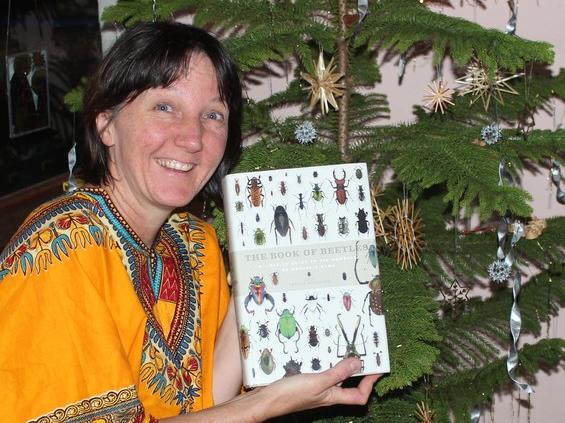
Then my husband gave me a gorgeous beetle book for Christmas, so I could fall in love some more: 600 spectacular beetles from across the world.
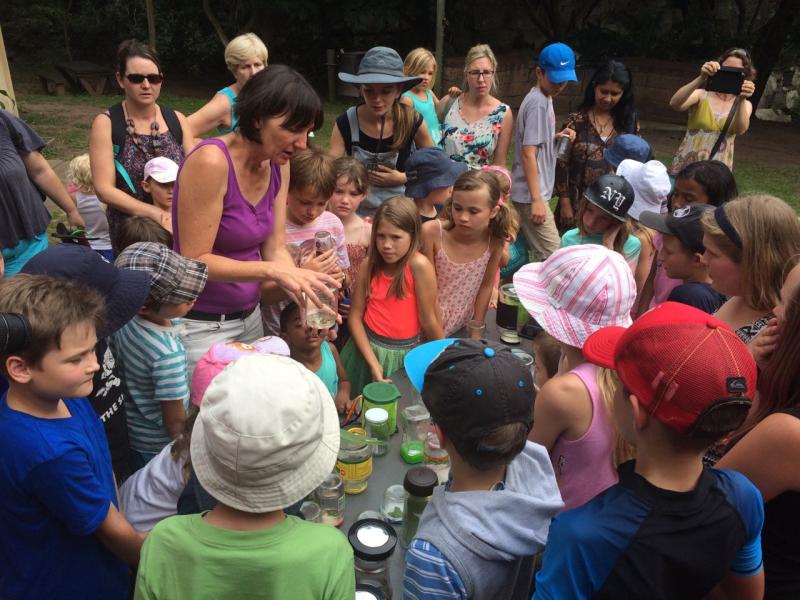
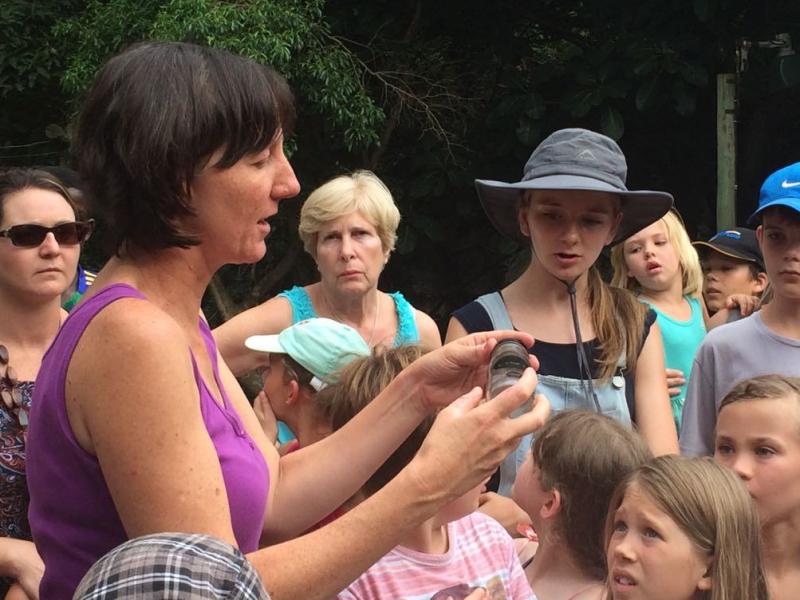
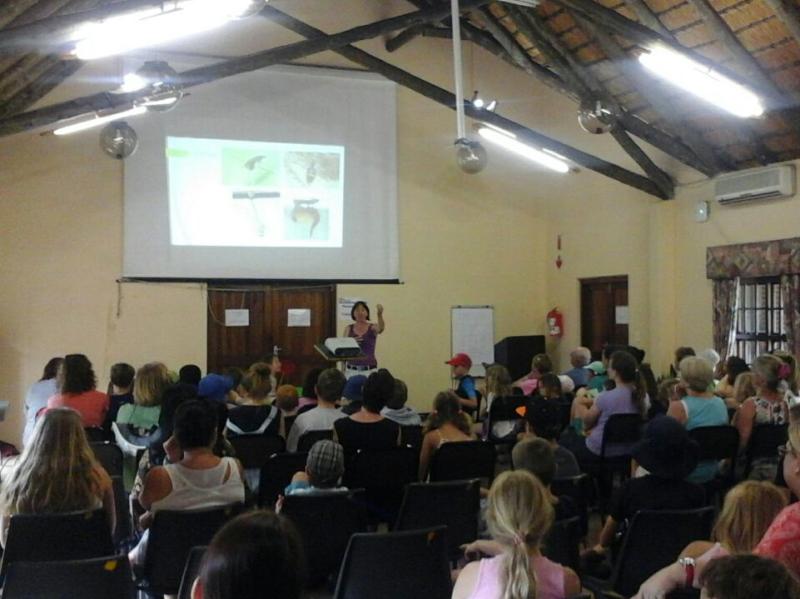
The first educational event for local home-schoolers, at Paradise Valley Nature Reserve was a great success. The children (and parents!) were such a joy with their interest and enthusiasm. 100 people came!
With lots of insect photos and videos, the presentation shows how insects hatch and grow up, how they breathe (in air and in water), how they feed (different diets, different equipment) and how they stay alive (mimicry, camouflage and other more exotic predator avoidance strategies).
By the end of the presentation everyone was just itching to go insect-hunting. No killing of course, just catch, look and release.
There were some lovely results. Many kids found the skins of cicadas clinging to tree trunks, which have been emerging from their long underground existence, in time for Christmas. Others found crane flies, a soldier fly, a miniature ladybird, damselflies, antlions – both pit building and roaming, some interesting bugs, and many more.
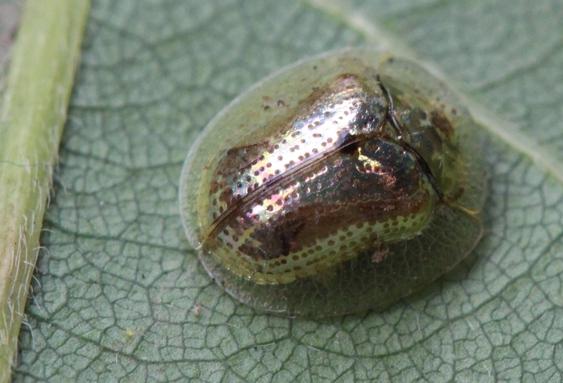
The hands-down winner: a Fool’s Gold Beetle. This is a tortoise beetle of the leaf beetle family.
This book is the product of my various passions: insects, nature, photography, writing, teaching/training and people, especially children (not necessarily in that order).
This book has been a hobby project. I wrote it to bring joy to me and hopefully to others. It has been a labour of love as well as an act of worship. I love everything that ‘lives and moves and has its being’, and I adore the creator of it all. With this book I want to share that passion.
The book saw its first light of day in public when I presented it at our municipal eThekwini Biodiversity Forum. It got a warm reception and the first ten local copies were sold. An endorsement from the Senior Environmental Technician can be found here.


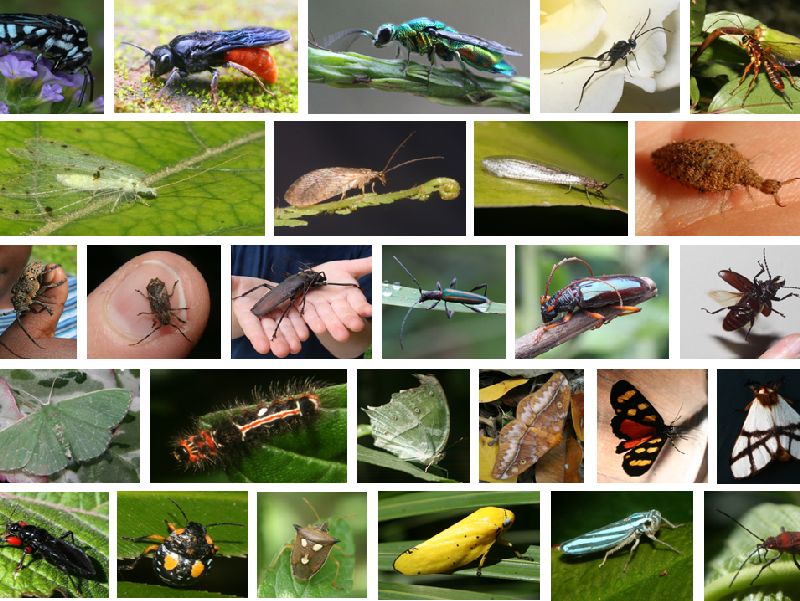












 What a wonderful topic: the endless variety of life forms and living spaces.

























 EASTERaction