
Today (22 May) is International Day for Biological Diversity. This year’s theme invites us to “Be part of the Plan”. The Biodiversity Plan was an agreement reached by the United Nations Convention on Biological Diversity in 2022, signed by 196 countries, with a vision of a world of living in harmony with nature. It has 4 long-term goals, and 23 action-oriented targets, “to halt and reverse biodiversity loss to put nature on a path to recovery“.
We happen to live in the middle of the Maputaland-Pondoland-Albany biodiveristy hotspot. eThekwini municipality is a patchwork of amazing nature, interspersed with urban built-up and industrial and densely populated and even semi-rural areas – the annual municipal state of biodiversity reports, especially the full report from 2007, give a good overview. Our neighbourhood is exceptionally green and lush, located in the scarp forest on the boundary between the coastal belt and the endangered Sandstone Sourveld.
So what can I do to protect and restore the bit of nature that is my responsibility? In other words, my own back yard?
Here is a short to-do list:
- Get to know the species that live in your back yard
- Appreciate biodiversity instead of landscaping, garden for nature
- Find out what doesn’t belong (aka invasive aliens), and get rid of them
- Invite nature back, by planting more diverse, locally indigenous plants
- Protect and restore the soil (make and use compost, cover bare soil with mulch and leaf litter)
- Share indigenous seeds and cuttings, knowledge and passion with your neighbours

Our garden contains an extra-special little patch of swamp forest. Frankly, it’s why we bought this property rather than another. Of course I wanted to protect this lovely piece of nature, but at first I had no idea which trees belong here, and which don’t. So I signed up for a tree identification course with Geoff Nichols, a local tree guru, and took along branches from every tree in the garden. Geoff and other tree-lovers had great fun identifying them for me.
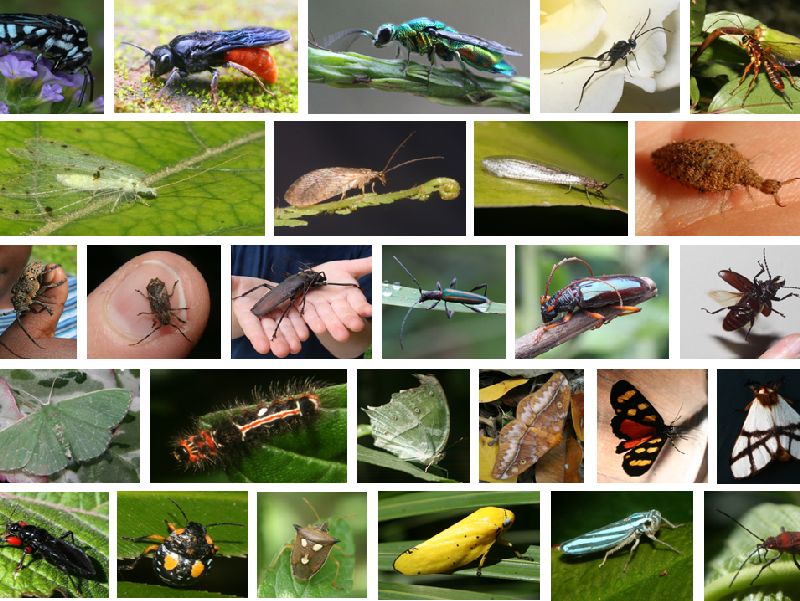
It turns out we have 15 different indigenous tree species growing here, and since then I have planted a few more. We removed a fan palm (its seeds are still coming up), an some inkberry trees. The indigenous trees and plants attract a beautiful variety of insects, which in turn attract a riot of different birds.

Keeping on top of the invasive aliens however is a constant war. Why are these alien plants such a problem? I have presented many times on this topic, and my blog to celebrate World Environment Day 2020 during COVID lock-down has a video on this topic. Below are some of the invasive aliens that we constantly have to fight back:


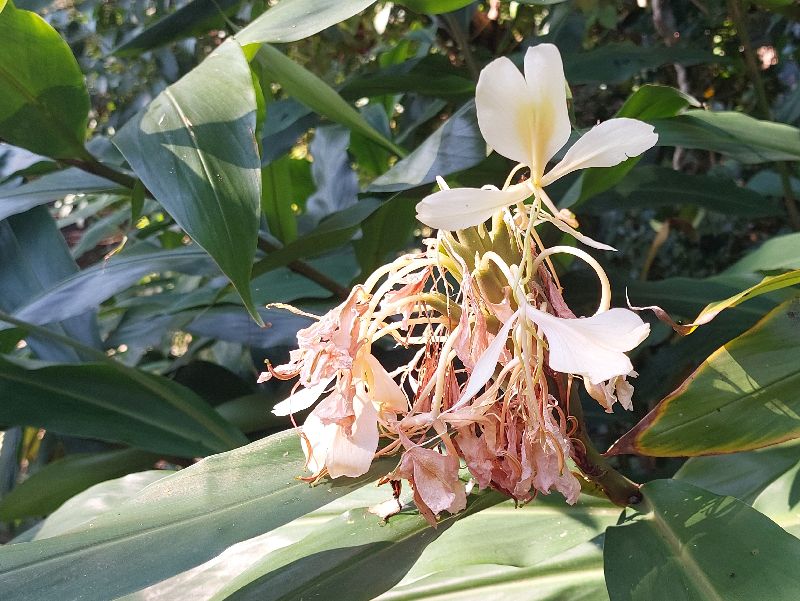

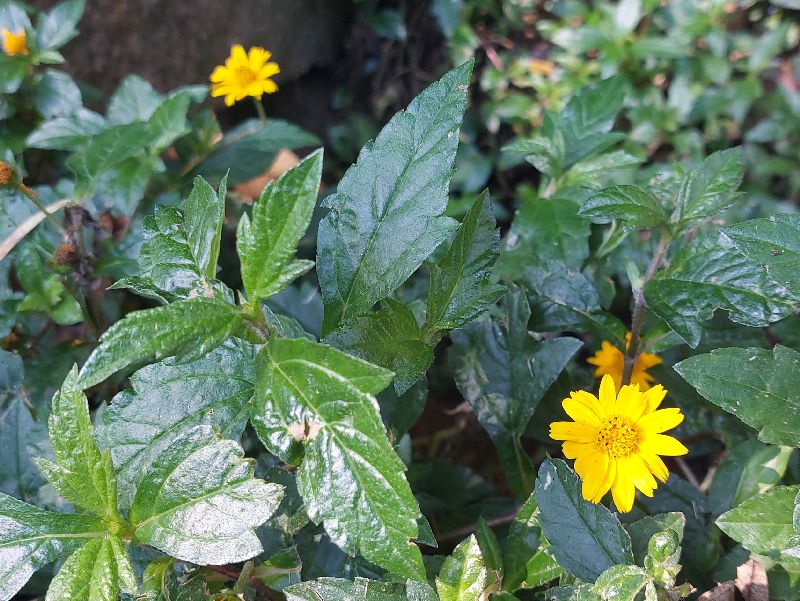

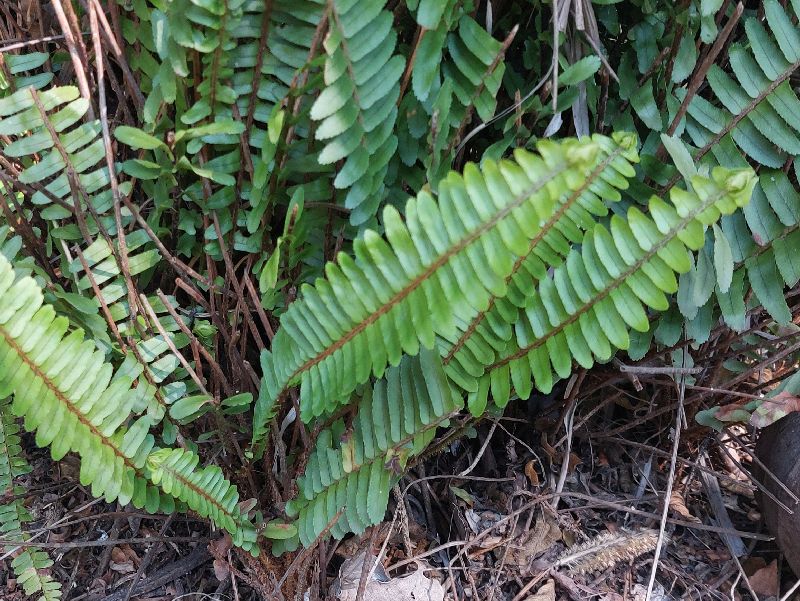
This week, to commemorate Biodiversity Day, I will once again do battle in my own garden, removing invasive aliens that have come up since my last attack. Wish me luck! I also plan to reach out to my neighbours, and start a conversation about controlling invasive plants.
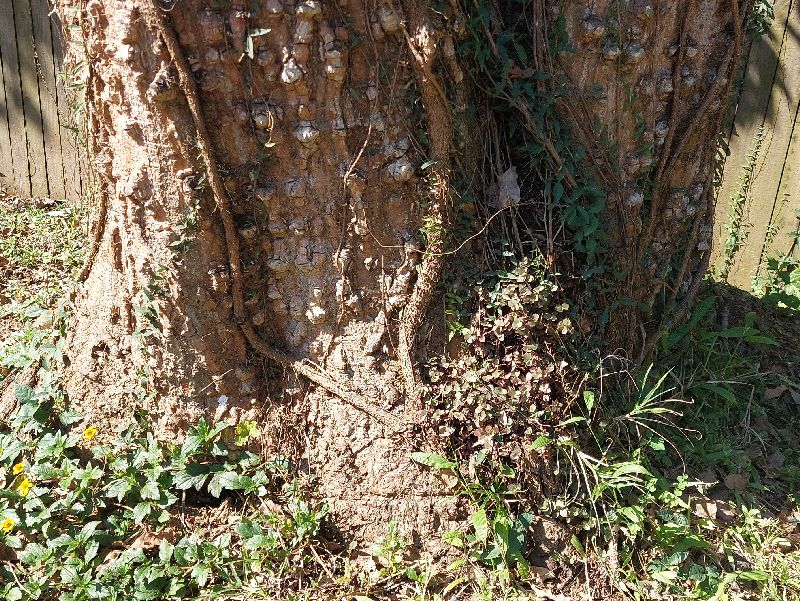
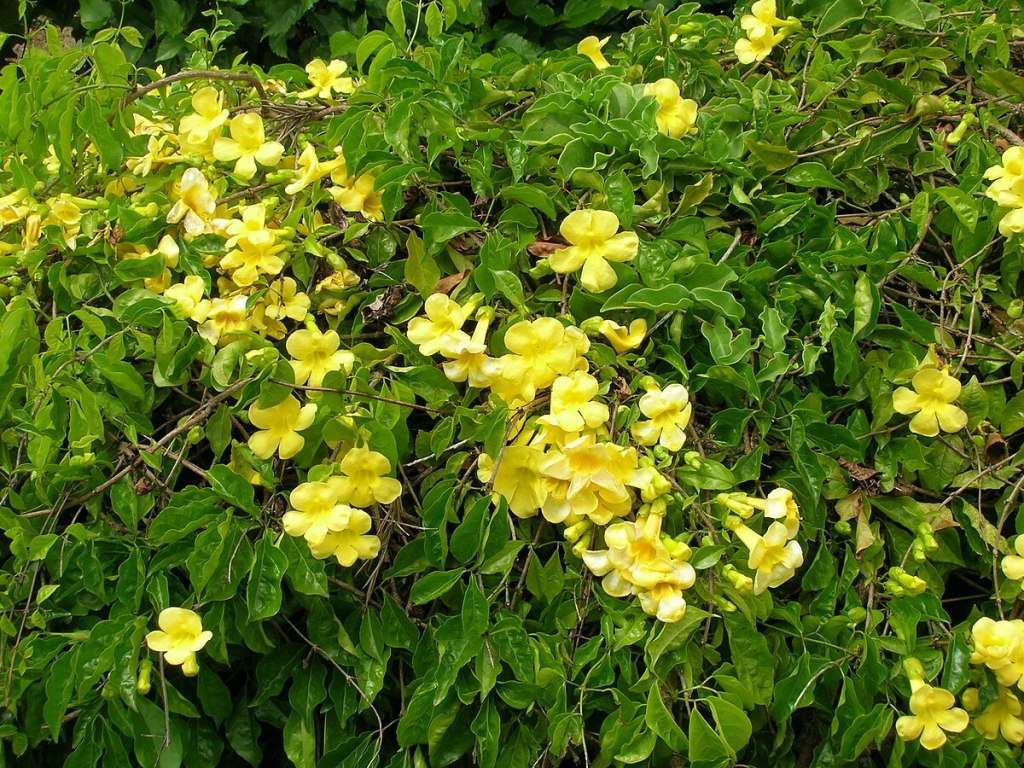
And then I plan to go around the neighbourhood, targeting the horrible catclaw creeper (see gallery below). Macfadyena unguis-cati is a particularly pernicious category 1b invasive species, very difficult to eradicate. Catclaw seeds blow in on the wind. Young seedlings immediately grow this fat little root, deep in the soil, which easily breaks off when you try to pull the plant out. Ignore them, and they grow melon-sized tubers. Thick rope-like vines snake up trees, along branches, and if you don’t cut and poison them, they soon cover and smother the tree crown. They were imported for their beautiful yellow flowers. Now we sit with the mess.





 EASTERaction