
It was a bitter-sweet experience, seeing (yesterday, for the first time!) the temporary insect exhibition at the Durban Natural Science Museum. Charles (aka Andrew) Carter and I had spent so much time working on this back in 2018 and 2019. In January 2020 he was still putting the finishing touches on it… when Covid-19 struck.
Entitled Insects: the silent extinction. Do we know what we are losing?
It will still be up for a week or two. For directions click here.


The information came to a large extent from the book What Insect Are You? and from follow-up educational events offered under its banner. The specimens came from the museums’ amazing insect collection. (It so happens that the curator of this collection used to be Kirstin Williams, one of the experts who reviewed the book.)
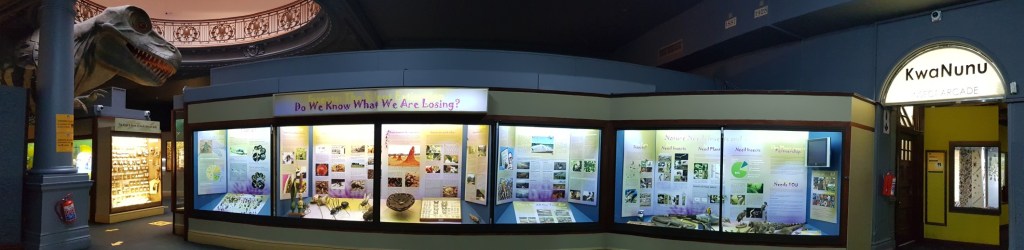
The exhibition went up without warning or fanfare in 2020. It was mentioned briefly in Thola magazine Volume 21 (page 23), but due to Covid-19, visits to the museum by school groups slowed to a trickle. It would have been great to run educational events there, for school children and the public. But alas!
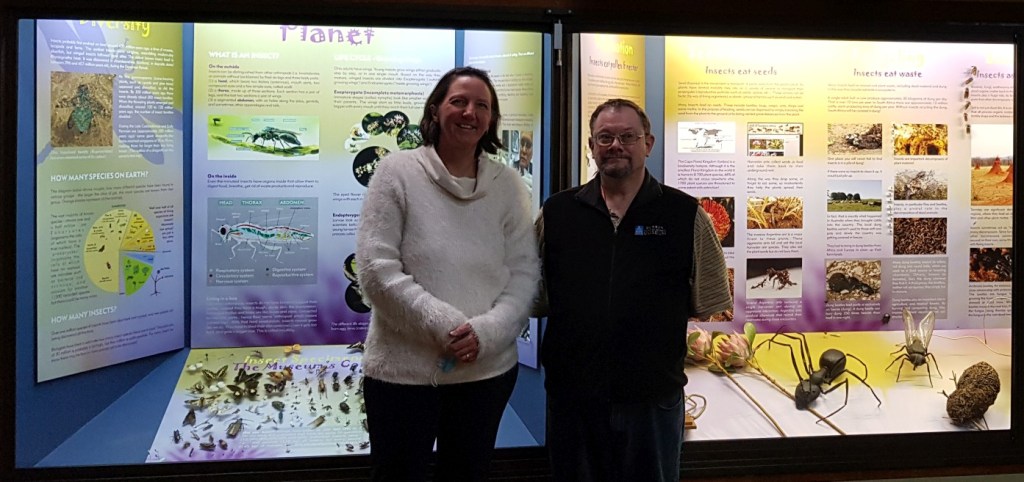
By the end of this month (August 2021) the exhibition will be removed, to make space for the next. Perhaps we can find a new home for it? Thanks again Charles for your hard work bringing it to life. And thanks to Durban Natural Science Museum for spreading the word that insects are our life support!


 EASTERaction